Explorer's Gentian
Gentiana calycosa · Gentianaceae
- Form
- Perennial
- Height
- 4–12 in
- Sun
- Part Shade
- Water
- High
- Blooms
- Jun, Jul, Aug, Sep
🌿 California native
Quick facts
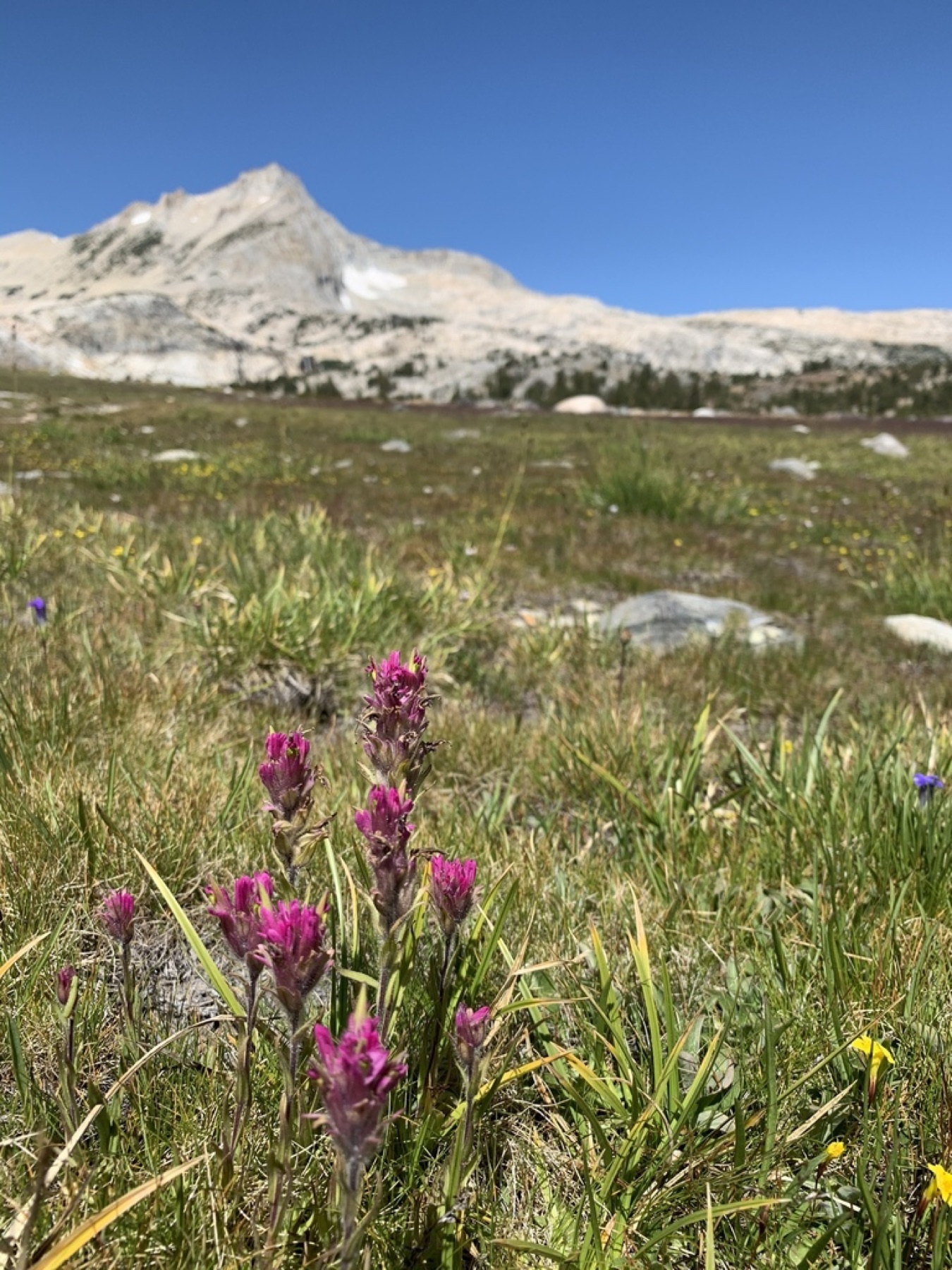
- Habitat: Wet Subalpine and upper-Montane meadows, bogs, and seeps
- Form / size: Low clumping perennial, 4–12 in
- Sun: Part shade · Water: High (wet meadow)
- Blooms: Deep-blue trumpets, late summer–fall · Pollinator value: Moderate
Description
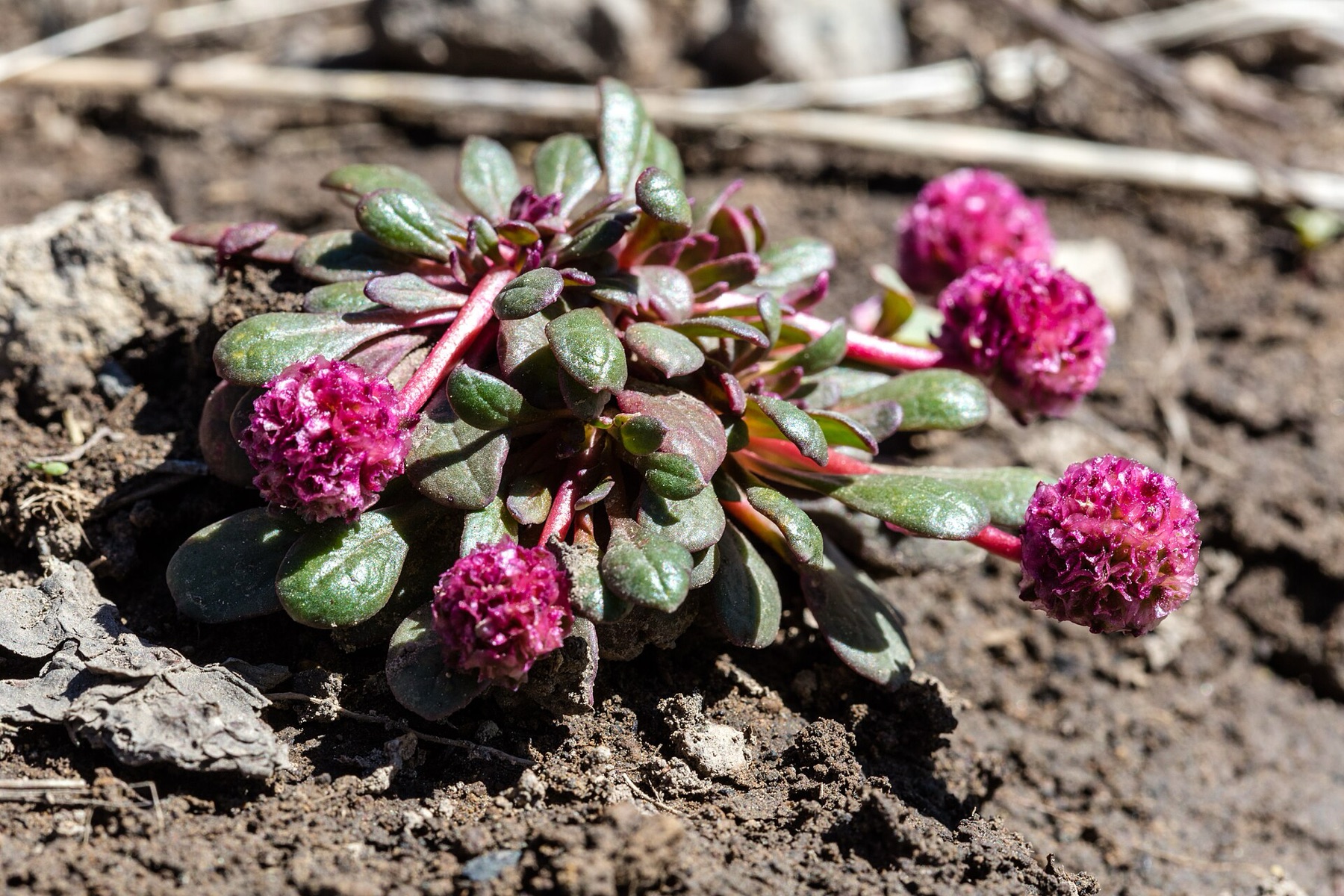
One of the most saturated blues in the high Sierra. Explorer’s gentian is a low, clumping perennial four to twelve inches tall, forming mounded tufts of erect-to-ascending, often reddish stems. The leaves are thick, rounded-ovate, glossy, and smooth-margined, set in close opposite pairs up the stem. Each stem is usually topped by a single upward-facing flower, a funnel or cup three to five centimeters across that flares into five deep-blue lobes, with small folded pleats between the lobes and greenish spotting down the throat. It blooms very late, often not until August or September, timing that follows the snowmelt.
Ecological role
Explorer’s gentian is a plant of consistently wet ground, growing in red fir, lodgepole, and subalpine forest meadows and along seeps, usually in wetlands. The large blue tubular corollas are a classic bumblebee flower: the pleated cup restricts the nectar to strong, long-tongued visitors, and bumblebees are the primary pollinators, with the Sierra sulphur butterfly among the associated insects. Because it flowers so late, its bloom tracks how deep and how long the snow lay, shifting later in heavy snow years.
Habitat & range
Wet subalpine and upper-montane meadows, bogs, and seeps through the Sierra Nevada, roughly 5,000 to 11,000 ft, ranging north to the Canadian Cascades and east across the Great Basin ranges. It grows around Lake Tahoe (El Dorado and Placer counties) and through the Eastern Sierra around Mammoth Lakes (Mono and Inyo counties).
In the garden
A rock-garden and alpine-trough specialty, and reputedly difficult away from cool high-elevation conditions. It needs consistently moist, loamy-to-clay soil and part shade, at a streamside, bog garden, or hand-watered bed, and it does poorly in sandy, fast-draining ground. Best for cold-summer or mountain gardens; it is not drought-tolerant.
Propagation
From seed, which, like most gentians, needs cold-moist stratification to break dormancy; the seed is tiny, so surface-sow it on moist mix and keep it cool and damp, expecting slow, erratic germination. Established clumps can sometimes be divided in spring, though gentians resent root disturbance.
Where to see it near you
- iNaturalist — observed across California (map)
- Wet meadows around Lake Tahoe and the Eastern Sierra high country (late summer into fall).