Sierra Shooting Star
Primula jeffreyi · Primulaceae
- Form
- Perennial
- Height
- 6–16 in
- Sun
- Full Sun
- Water
- High
- Blooms
- Jun, Jul, Aug
🌿 California native
Quick facts
- Habitat: Wet Montane and Subalpine meadows, seeps, and stream margins
- Form / size: Wet-meadow perennial, 6–16 in
- Sun: Full sun · Water: High
- Blooms: Nodding magenta “shooting stars” · Pollinator value: High
Description
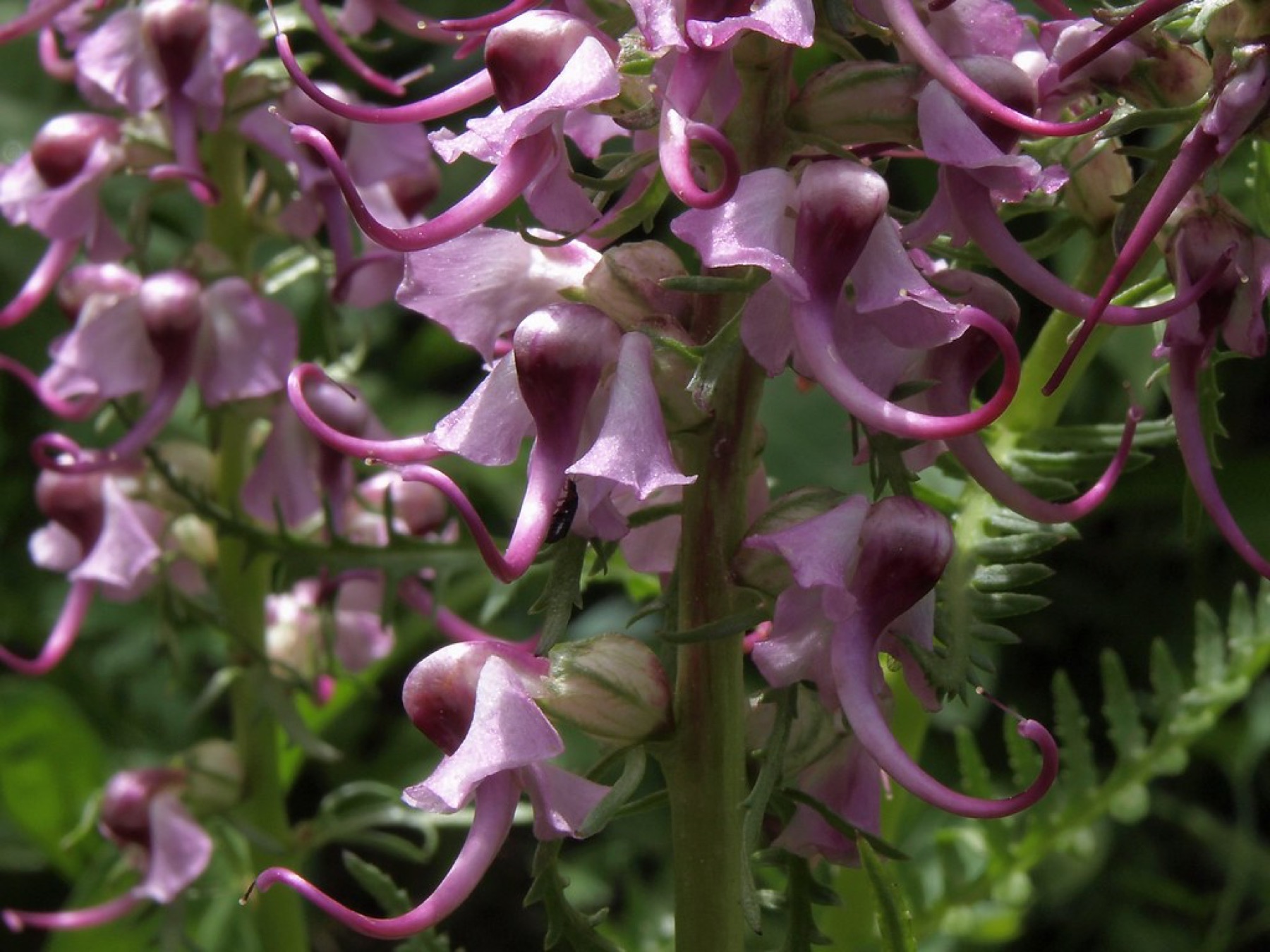
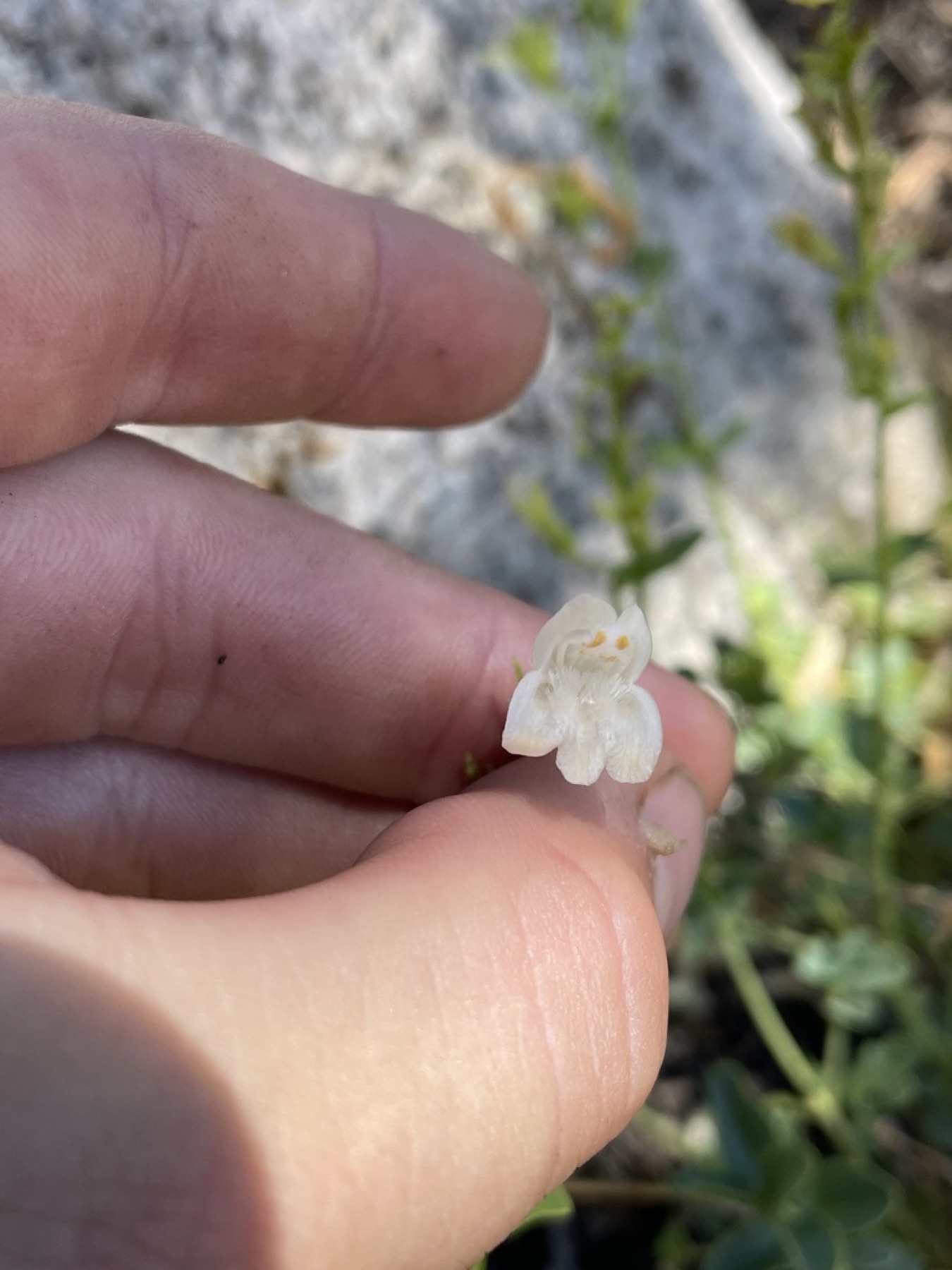
A wet-meadow perennial that looks exactly like its name. From a basal rosette of long, smooth, tongue-shaped leaves rises a slim, dark, glandular flowering stalk carrying an umbel of several to many flowers. Each flower has five sharply swept-back magenta-pink to lavender lobes flaring away from a downward-pointing beak of fused dark anthers, so the whole thing seems to be streaking toward the ground. The throat is creamy-yellow ringed in dark purple. Fresh flowers nod on curved stalks, then turn upright as the capsule ripens. This is one of the larger, more robust Sierra shooting stars, and it holds to the wettest ground. It is still widely known by its former name, Dodecatheon jeffreyi.
Indigenous & historical use
In the northern, interior British Columbia part of the plant’s range, women of the Nlaka’pamux (Thompson) people used the flowers as a charm for good fortune, love, and prompting gift-giving. The use is recorded in Elsie Steedman’s 1928 study of Thompson ethnobotany. No comparable use is separately documented for a Sierra Nevada people.
Ecological role
The reflexed corolla and the tight cone of pollen-bearing anthers are the classic buzz-pollination design: a bumblebee grips the anther cone and vibrates it to shake loose the pollen, which only a strong sonicating bee can do. As an obligate wetland plant, Sierra shooting star reliably indicates a high water table and intact montane fen or wet-meadow habitat, and it favors the wettest sites in the lodgepole, red fir, and subalpine meadow zones.
Habitat & range
Wet meadows, seeps, bogs, and stream and lake margins the length of the Sierra Nevada on both slopes, roughly 2,000 to 9,800 ft. It is documented around Lake Tahoe, and its continuous Sierra range carries it through the Mammoth Lakes and Eastern Sierra wet meadows.
In the garden
A plant for consistently moist to wet soil at a pond or stream margin, bog garden, or irrigated meadow, not a drought bed. Full sun to part shade in cool montane conditions suits it, and it goes summer-dormant after seeding. It does best in cooler gardens that can mimic snowmelt-fed moisture.
Propagation
From seed sown fresh in fall, with a winter of cold-moist stratification to break dormancy. Established clumps can be divided from the thick rootstock during dormancy. Keep seedlings continuously moist, since germination and early growth track cool, wet conditions.
Where to see it near you
- iNaturalist — observed across California (map)
- Wet meadows around Lake Tahoe and through the Eastern Sierra high country.
Sources
- Calscape · iNaturalist · Wikipedia
- Indigenous use: Steedman, E.V., “The Ethnobotany of the Thompson Indians of British Columbia” (1928).