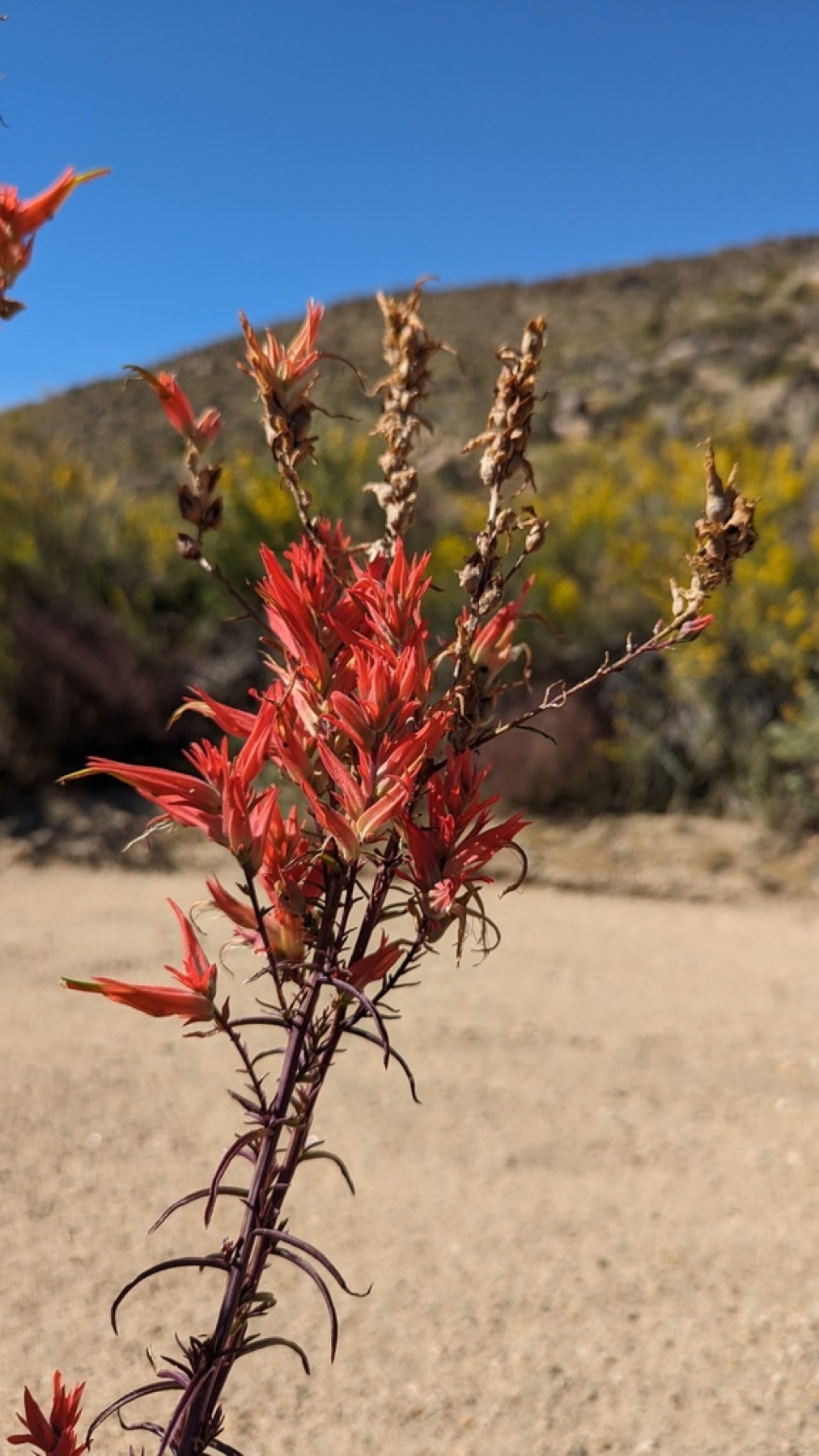
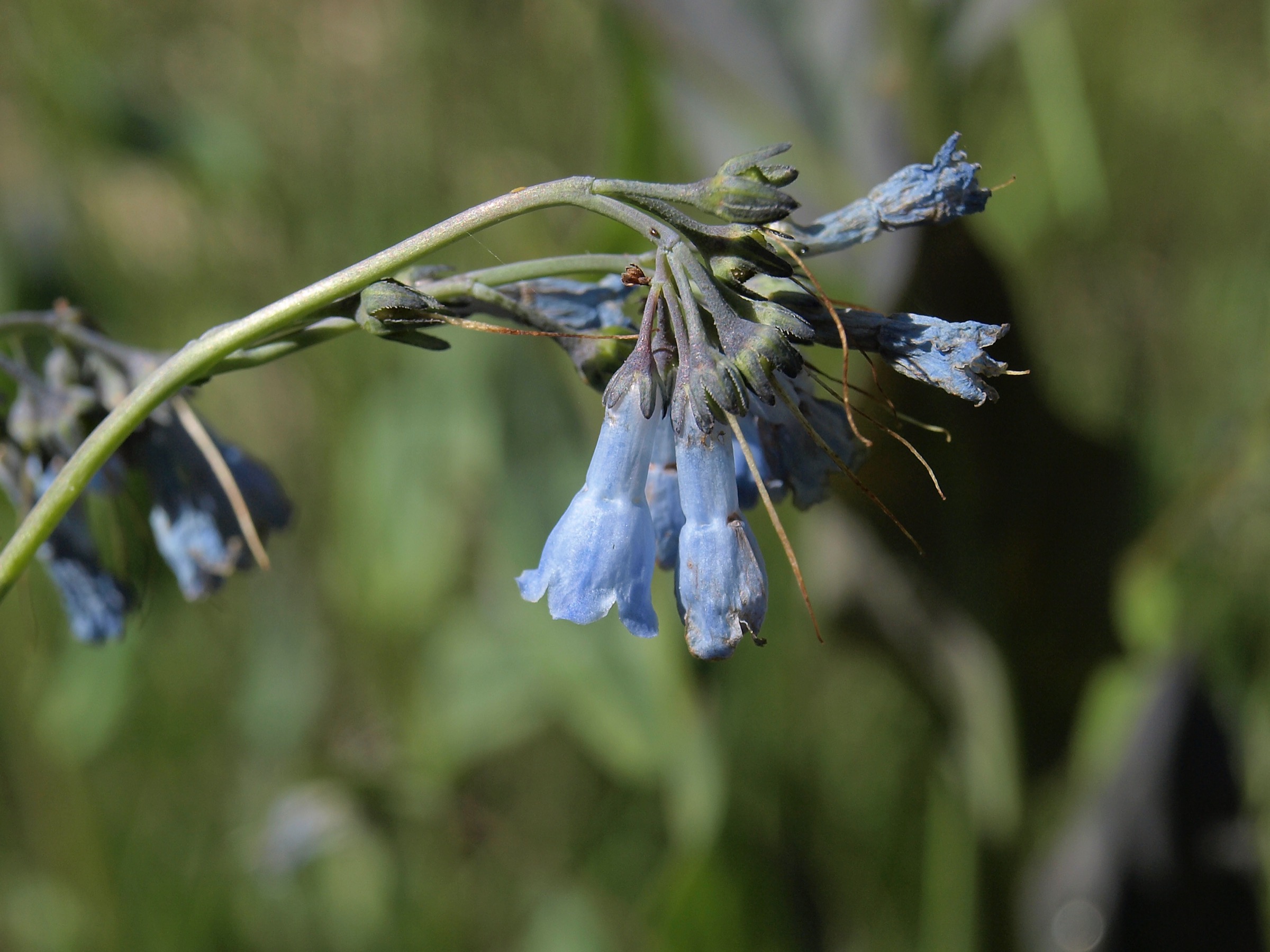
Lemmon's Paintbrush
Castilleja lemmonii · Orobanchaceae
- Form
- Perennial
- Height
- 4–8 in
- Sun
- Full Sun
- Water
- Moderate
- Blooms
- Jun, Jul, Aug
🌿 California native
Quick facts
- Habitat: Moist high Subalpine and Montane meadows
- Form / size: Low glandular-hairy perennial, 4–8 in
- Sun: Full sun · Water: Moderate (wet turf)
- Blooms: Rose-pink bracts in high summer · Pollinator value: Moderate
Description
The pink paintbrush of soggy high-Sierra flats, and a small one, only four to eight inches tall in low clumps set into wet meadow turf. As with all paintbrushes, the color is in the bracts, but here they are tipped rich pink to rose-magenta rather than the scarlet or yellow of most others, so a patch reads as a low wash of pink across a green meadow. The true flowers are inconspicuous, yellowish-green tubes tucked between the colored bracts. The leaves are linear, entire, often reddish-tinged, and the whole plant is coated in glandular hairs that leave it slightly sticky to the touch. It is a Sierra Nevada and southern Cascade endemic.
Ecological role
Like all paintbrushes, Lemmon’s paintbrush is a hemiparasite, green and photosynthetic but tapping the roots of neighboring plants for water and nutrients, which is part of why paintbrushes are so hard to grow on their own. It is confined to consistently moist to saturated subalpine and alpine meadows and lodgepole and fell-field margins, making it a wet-meadow indicator. NatureServe ranks it globally Vulnerable (G3), reflecting its narrow Sierra-Cascade range and its dependence on snow-fed meadows that are shrinking as the climate warms. Its pink bracts and tubular flowers draw bumblebees and hummingbirds during the brief high-elevation bloom.
Habitat & range
Moist to saturated subalpine and upper-montane meadows through the higher Sierra Nevada and southern Cascades, roughly 5,000 to 12,000 ft, ranging just east into western Nevada. It is well documented in the Mammoth Lakes and Eastern Sierra high country (the Rock Creek and Saddlebag Lake meadows), and ranges north through the Sierra to the Tahoe latitude.
In the garden
A specialist for high-elevation restoration or an alpine or bog garden, not general landscaping. It needs cool summers, a steadily moist meadow soil, and full sun, and it will not tolerate drought or lowland heat. Because it parasitizes roots, it establishes best sown among grasses or sedges that can serve as host plants.
Propagation
From seed, which needs cold-moist stratification, and which establishes far better when sown directly among a compatible host plant (a grass or sedge) because of the root-parasitic habit. It is notoriously difficult to transplant or grow container-to-container without a host, so direct sowing into host turf is more reliable.
Where to see it near you
- iNaturalist — observed across California (map)
- Wet subalpine meadows of the Eastern Sierra (Rock Creek, Saddlebag Lake, the Mammoth high country).
Sources
Commonly confused with
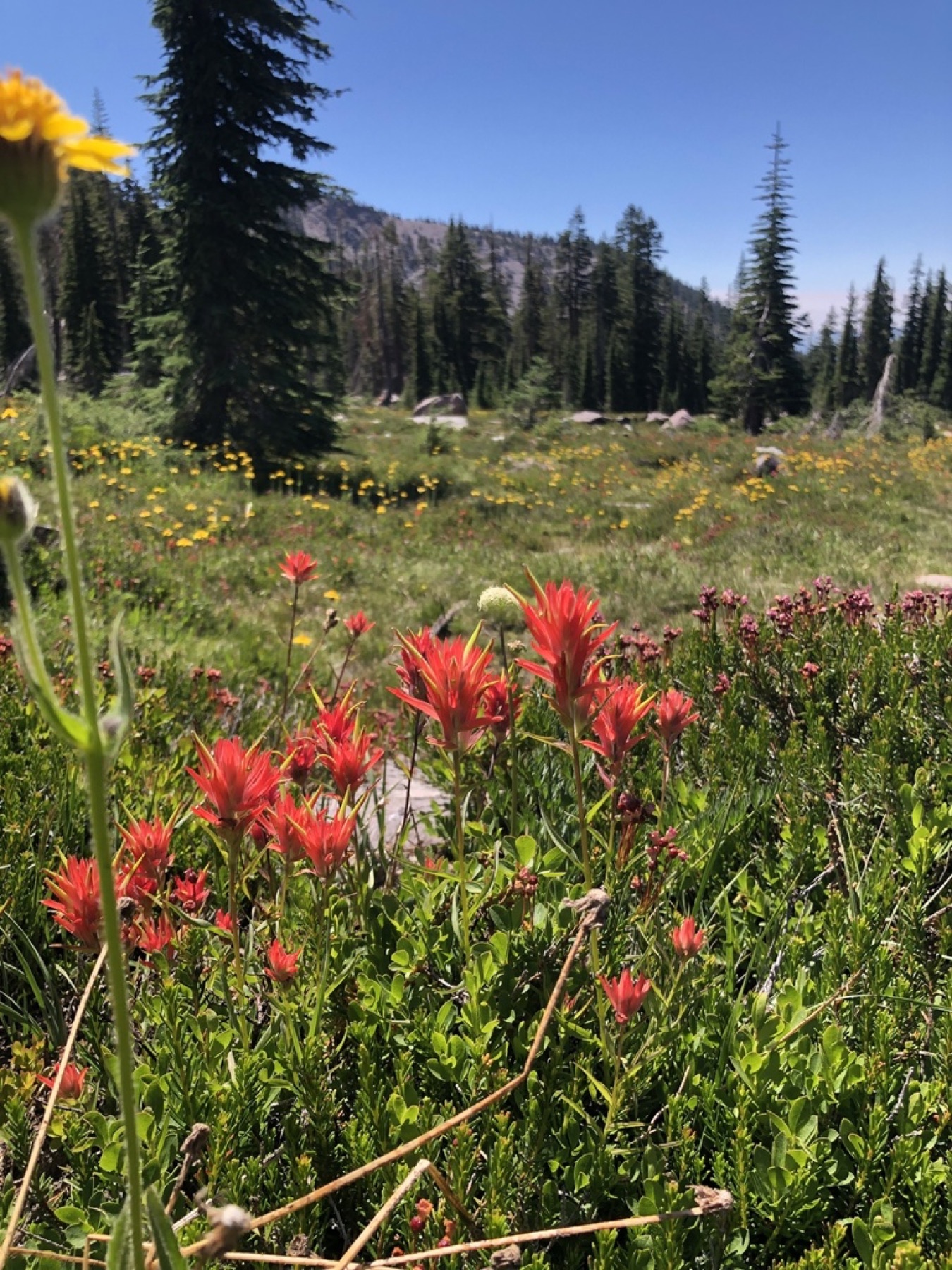 Giant Red Paintbrush 🌿 Castilleja miniata bracts bright scarlet-red rather than pink, and the plant is much taller with broader clasping leaves. This one stays low with pink bracts.