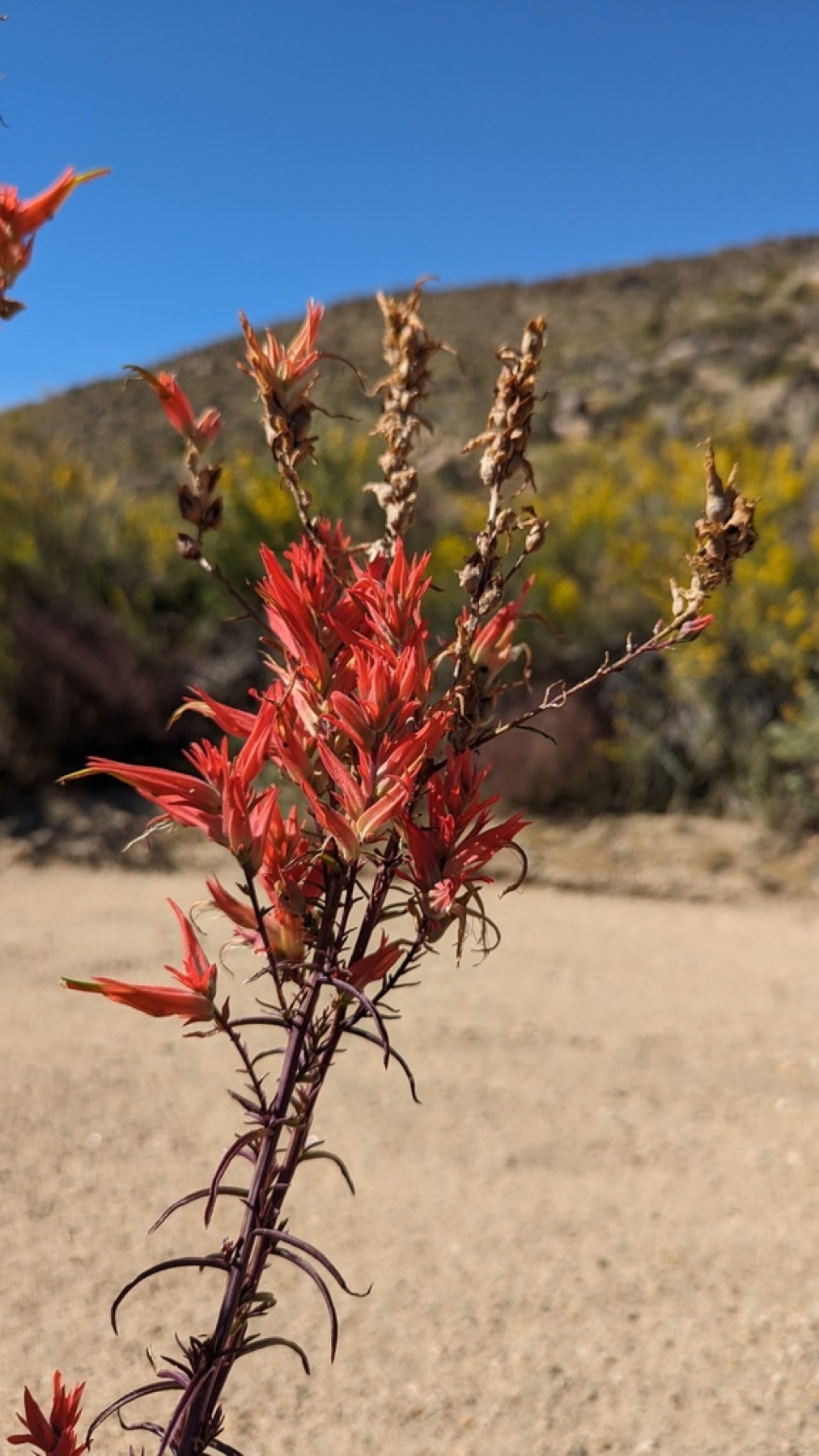
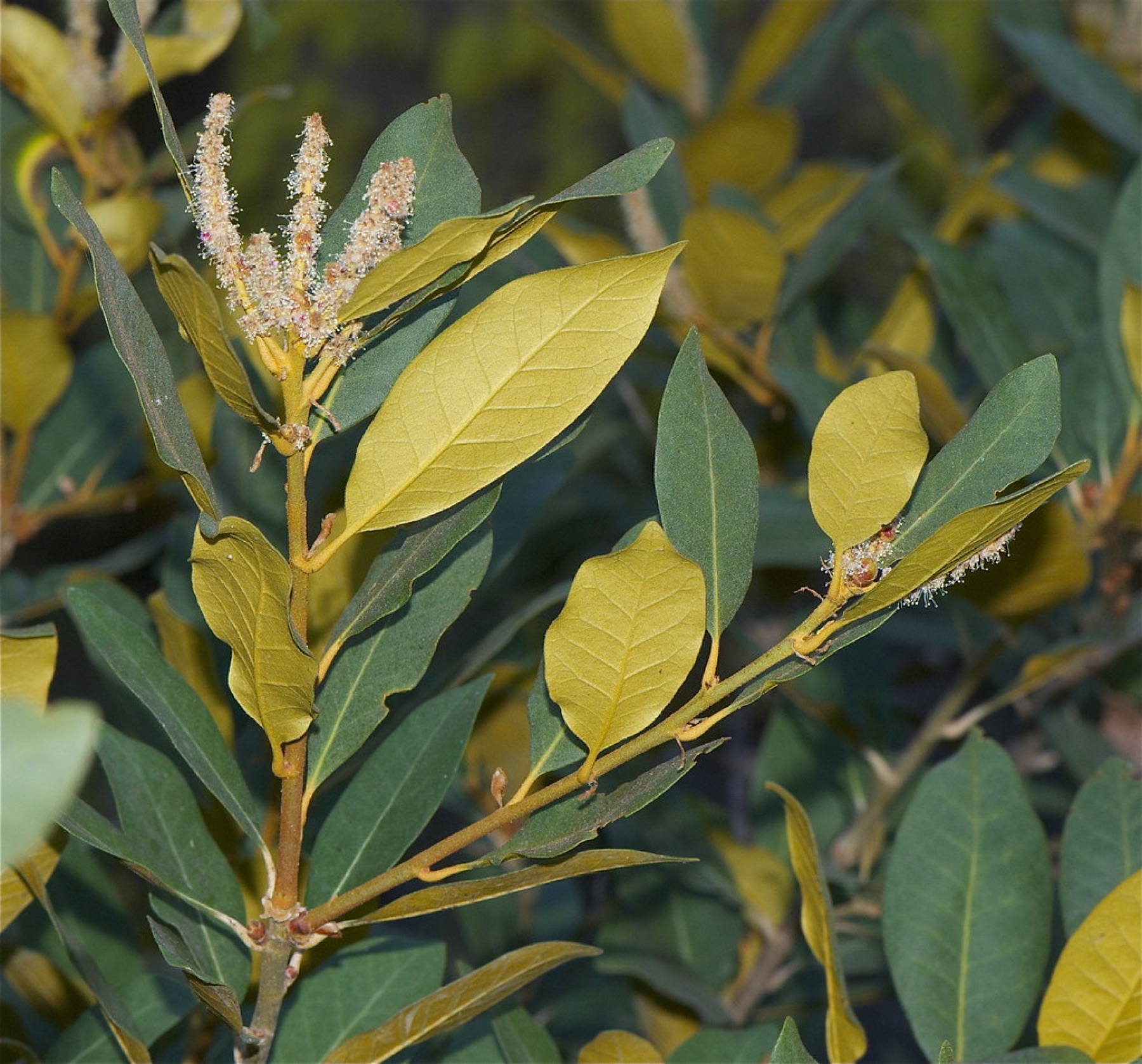
Shrubby Cinquefoil
Dasiphora fruticosa · Rosaceae
- Form
- Shrub
- Height
- 1–3 ft
- Sun
- Full Sun
- Water
- Moderate
- Blooms
- Jun, Jul, Aug, Sep
🌿 California native
Quick facts
- Habitat: Wet Subalpine meadows, stream terraces, and seeps
- Form / size: Low mounded shrub, 1–3 ft
- Sun: Full sun · Water: Moderate (moist ground)
- Blooms: Bright yellow “wild rose” flowers all summer · Pollinator value: Moderate
Description
The only woody shrub among California’s yellow-flowered cinquefoils, and a tidy one: a low, densely twiggy mound one to three feet tall, dwarfing to a prostrate mat near the alpine limit. Its pinnate leaves are divided into five to seven small, entire, linear leaflets covered in fine silky hairs that give the whole plant a silvery cast. The flowers are buttercup-shaped, about an inch across, with five rounded yellow petals, borne all summer. Older stems carry thin, reddish-brown, shredding bark that persists through winter, unlike the soft herbaceous cinquefoils that die to the ground.
Indigenous & historical use
In the northern Rockies and plains, within the plant’s wide North American range, the Blackfoot used the leaves to stuff pillows and as a spice added to dried meat, and used the flaky, shredding bark as fire tinder. These uses are recorded in Daniel Moerman’s Native American Ethnobotany and the Forest Service’s fire-effects review. The species is circumboreal, ringing the cold Northern Hemisphere, and it has a long human history across that range.
Ecological role
In California this is a high-mountain plant, restricted to the Sierra Nevada, Klamath Ranges, and Warner Mountains, where it holds to vernally moist to saturated ground: wet meadows, stream terraces, spring margins, and fell-fields. Its long bloom, roughly June into September, makes it a sustained nectar and pollen source for subalpine bees and butterflies through the short high-elevation season, and as the only woody plant among otherwise herbaceous wet-meadow cinquefoils, it adds real structure to those meadows.
Habitat & range
Wet subalpine and upper-montane meadows, stream terraces, and seeps the length of the Sierra Nevada, roughly 6,000 to 12,000 ft, dwarfing into a krummholz mat near the alpine limit. It grows in the Lake Tahoe basin and through the Eastern Sierra around Mammoth Lakes in Mono and Inyo counties.
In the garden
A hardy, low-maintenance shrub prized for a very long bloom season, with well over a hundred garden cultivars. It wants full sun and consistent moisture, tolerates a wide soil range, and is not a true dry-garden plant, so site it in irrigated beds, meadow edges, or near water. Its compact mounding form suits low hedges, borders, and rock-garden pockets.
Propagation
Readily from seed, which is tiny, needs light, and benefits from cold-moist stratification, sown on the surface. It also roots reliably from softwood or semi-hardwood cuttings taken in summer, and established clumps can be divided; named cultivars are grown from cuttings to keep flower color true.
Where to see it near you
- iNaturalist — observed across California (map)
- Wet meadows around Lake Tahoe and the Eastern Sierra (Mammoth high country).
Sources
- Calscape · iNaturalist · Wikipedia
- Indigenous use: Moerman, D.E., Native American Ethnobotany (1998); USFS Fire Effects Information System, Dasiphora fruticosa.