Elephant's Head
Pedicularis groenlandica · Orobanchaceae
- Form
- Perennial
- Height
- 8–28 in
- Sun
- Full Sun
- Water
- High
- Blooms
- Jun, Jul, Aug
🌿 California native
Quick facts
- Habitat: Wet Montane and Subalpine meadows, fens, and streambanks
- Form / size: Erect wet-meadow perennial, 8–28 in
- Sun: Full sun · Water: High (standing water or saturated soil)
- Blooms: Dense pink summer spikes · Pollinator value: High
Description
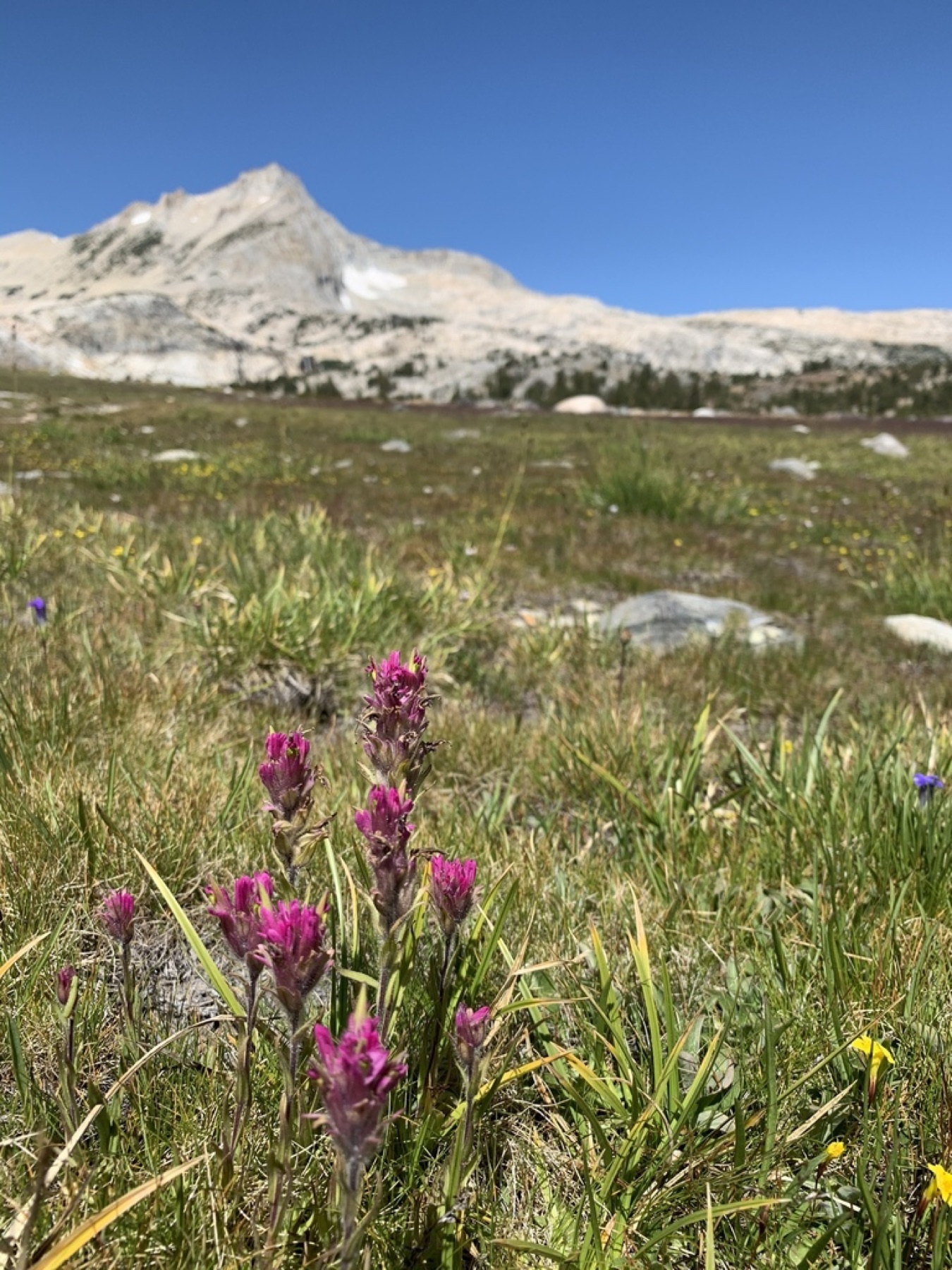
One of the most delightful flowers in the Sierra, and unmistakable once you look closely. Each small pink-to-rose-purple flower on the dense spike mimics an elephant’s head: the upper lip is drawn out into a slender, upward-coiling “trunk” 6 to 13 mm long, and the two side lobes flare like ears. The leaves are fernlike, deeply cut into fine toothed segments and mostly clustered at the base. The plant stands in standing water or saturated meadow soil, so the whole spike reads as a cluster of tiny pink elephants wading in a wet meadow.
Indigenous & historical use
The Cheyenne, in the species’ northern range on the Montana plains, boiled the leaves and stems for a long time into a tea taken to stop or loosen a persistent cough. The use is recorded by Jeffrey Hart in his 1981 study of Northern Cheyenne ethnobotany.
Ecological role
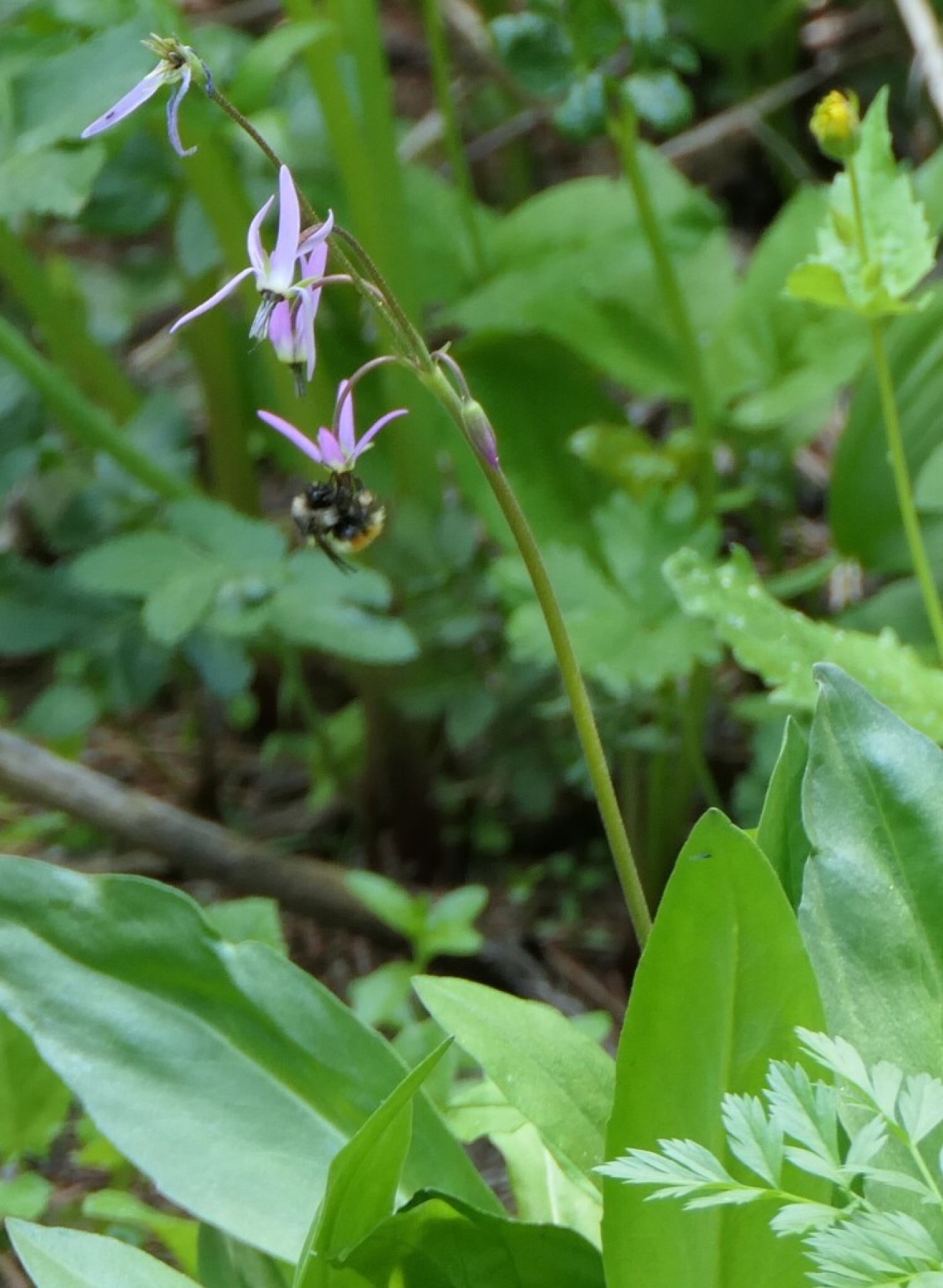
Elephant’s head is a root hemiparasite: it makes its own food by photosynthesis but also taps the roots of neighboring meadow plants through specialized connections. Its flowers produce no nectar, only pollen, and are buzz-pollinated, so a bumblebee has to grip the flower and vibrate its wing muscles to shake the pollen loose. Colorado studies found several bumblebee species doing most of the visiting. It often shares a fen with its smaller relative, little elephant’s head (Pedicularis attollens), and its presence is a good sign of an intact, perennially wet montane meadow.
Habitat & range
Wet montane and subalpine meadows, fens, and streambanks the length of the Sierra Nevada, roughly 4,000 to 11,000 ft. It is common in the Lake Tahoe region (El Dorado, Placer, Alpine, and Nevada counties) and through the Mammoth Lakes and Eastern Sierra meadows of Mono County. It is the most widely distributed lousewort in North America.
In the garden
A specialist for full sun and permanently wet, saturated soil or a pond margin, not a general garden perennial. As a root hemiparasite it usually needs living host plants nearby, so it rarely establishes in ordinary beds and is best appreciated in place or in a dedicated bog planting. Never site it anywhere that dries out.
Propagation
From seed sown fresh onto cold, wet substrate, with a winter of cold-moist stratification. Establishment usually fails without a compatible host root system for the seedling to tap, and it is not grown from cuttings; digging wild plants is impractical and discouraged.
Where to see it near you
- iNaturalist — observed across California (map)
- Wet meadows around Lake Tahoe and the Eastern Sierra (Mammoth-area fens and creek meadows).
Sources
- Calscape · iNaturalist · Wikipedia
- Indigenous use: Hart, J.A., “The Ethnobotany of the Northern Cheyenne Indians of Montana,” Journal of Ethnopharmacology 4:1–55 (1981).
Commonly confused with
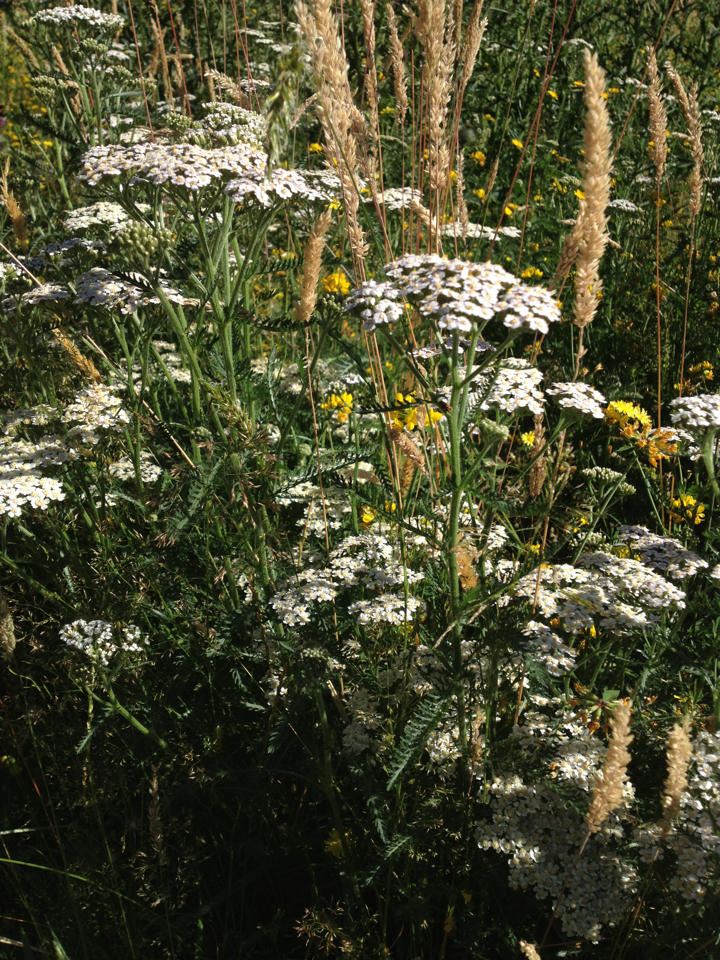 Yarrow 🌿 Achillea millefolium before flowering, the fernlike foliage can look similar, but yarrow is strongly aromatic when crushed and grows on dry ground, while elephant's head is odorless and stands in wet meadow.