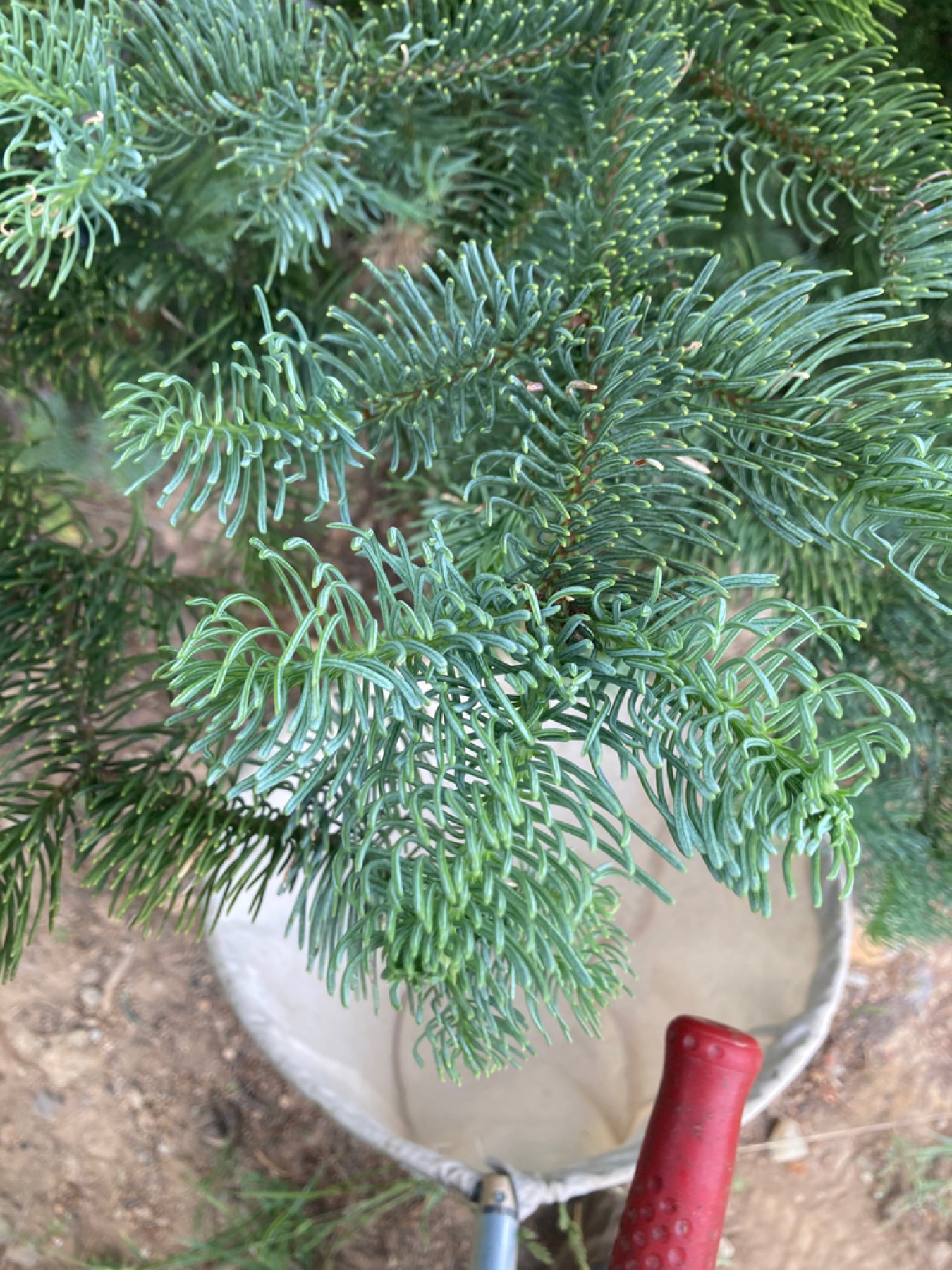
Scarlet Gilia
Ipomopsis aggregata · Polemoniaceae
- Form
- Perennial
- Height
- 1–4 ft
- Sun
- Full Sun
- Water
- Low
- Blooms
- Jun, Jul, Aug
🌿 California native
Quick facts
- Habitat: Open Montane and Subalpine slopes, forest openings, and rocky meadows
- Form / size: Upright perennial, 1–4 ft
- Sun: Full sun · Water: Low
- Blooms: Summer scarlet tubes · Pollinator value: High
Description
A tall, airy wildflower with narrow leaves and brilliant scarlet tubular flowers arranged along upright stems. It is one of the clearest hummingbird flowers in the Eastern Sierra summer flora and often lights up dry meadow edges and open slopes.
Wildlife & pollinators
Strong hummingbird plant, also visited by bees.
Habitat & range
Open mountain country, rocky clearings, and dry meadow margins in the Sierra and other western mountains, especially in the higher country around Mammoth and June Lake.
In the garden
Best in a sunny mountain-style planting with drainage and room for reseeding. Usually happier in cooler climates than in hot lowland gardens.
Propagation
From seed. Like many mountain wildflowers, it does best where it can establish in place rather than being fussed over.
Where to see it near you
- iNaturalist — observed across California (map)
- Common in summer around the Eastern Sierra, especially Mammoth-adjacent slopes and open high-country roadsides.
Sources
Commonly confused with
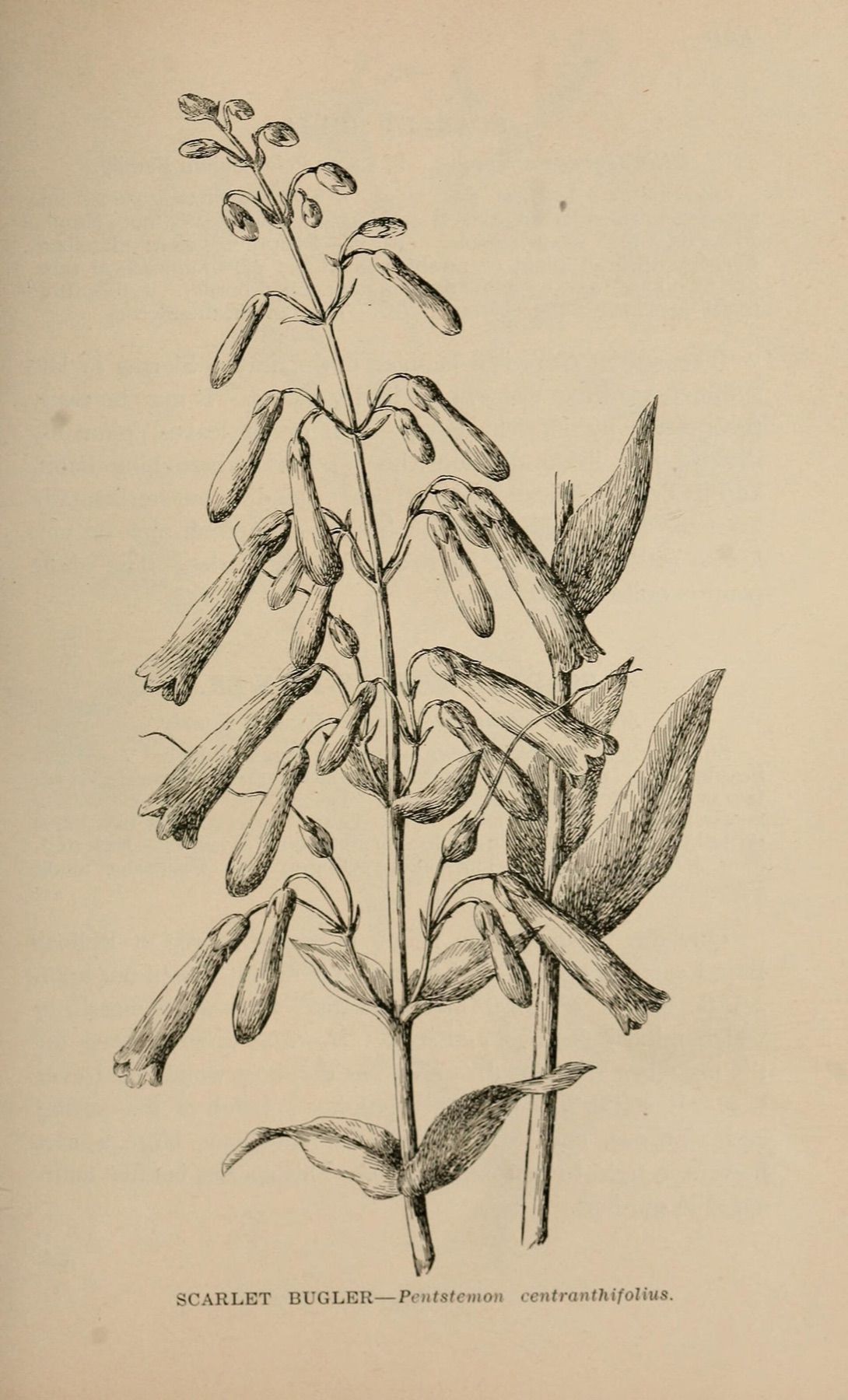 Scarlet Bugler 🌿 Penstemon centranthifolius both are red hummingbird flowers, but scarlet bugler has broader opposite leaves and larger penstemon-style blossoms; scarlet gilia is finer, airier, and more threadlike.
 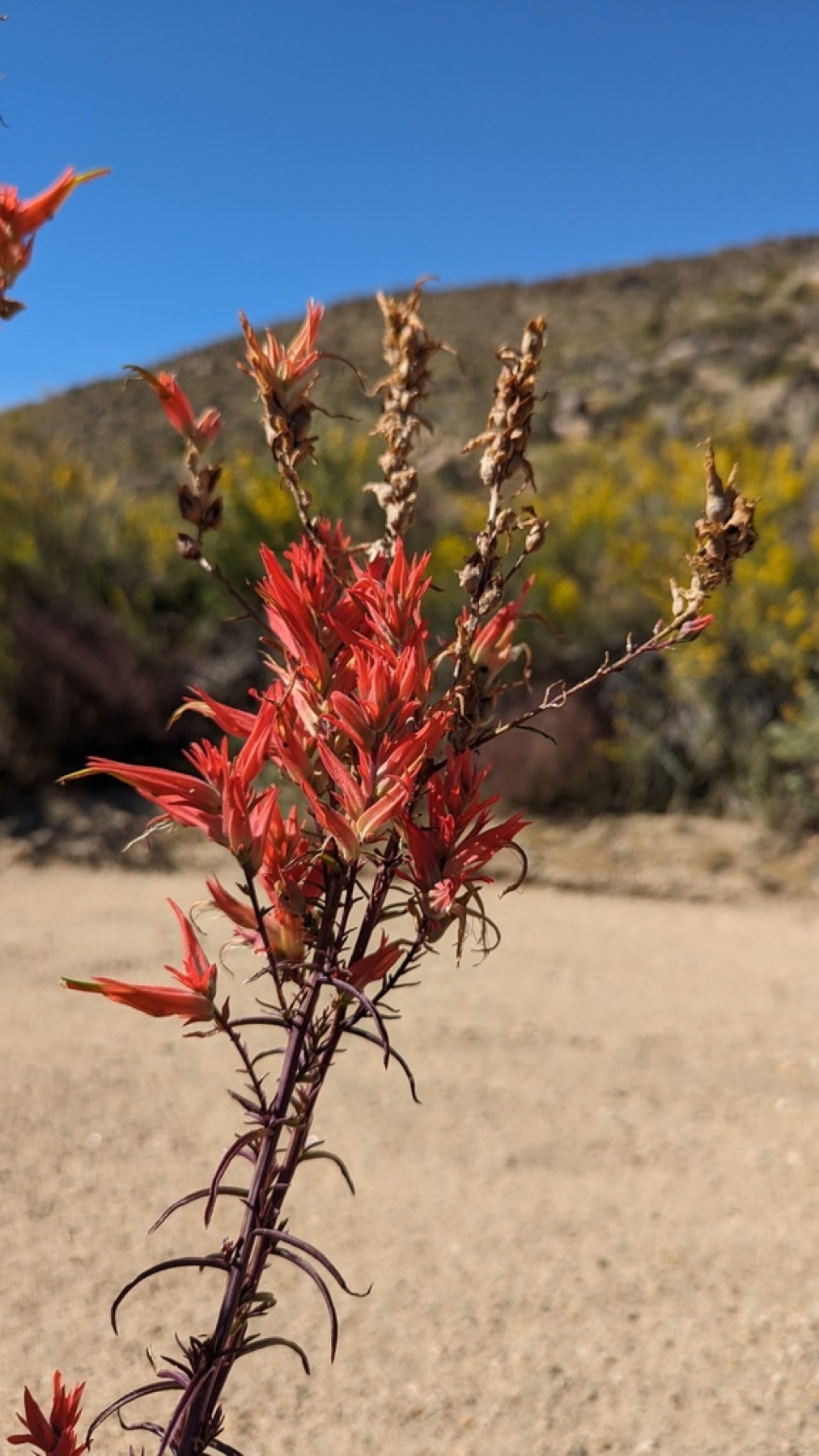 Wyoming Paintbrush 🌿 Castilleja linariifolia paintbrush shows colorful bracts rather than obvious long red flower tubes.