California Juniper
Juniperus californica · Cupressaceae
- Form
- Tree
- Height
- 10-30 ft
- Sun
- Full Sun
- Water
- Very Low
- Blooms
- Feb, Mar, Apr
- Pet toxicity
- Mild
🌿 California native
Quick facts
- Habitat: Desert, dry Chaparral, lower Montane woodland
- Form / size: Small rugged tree, 10-30 ft
- Sun: Full sun · Water: Very low
- Blooms: Winter-spring cones · Pollinator value: Low
Description
A drought-hardened juniper with gray-green scale foliage, shreddy bark, and berry-like cones. Older plants can be beautifully twisted and irregular.
Wildlife & pollinators
Birds and mammals eat the berry-like cones and use the dense structure for cover. Wind-pollinated, so flower pollinator value is low.
Habitat & range
Desert margins, pinyon-juniper woodland, dry slopes, chaparral transitions, and rocky inland ridges across Southern California.
In the garden
Excellent for large dry inland gardens, habitat plantings, and screening where drainage is sharp. It is slow, tough, and not a lawn tree.
Propagation
From seed with patience; stratification and time are usually needed. Nursery plants are the practical route.
Where to see it near you
- iNaturalist — observed in Southern California
- Inland foothills, desert margins, and pinyon-juniper transitions.
Problems
Avoid summer overwatering and heavy soils. Some pets may get stomach upset if they chew foliage or cones.
Sources
Commonly confused with
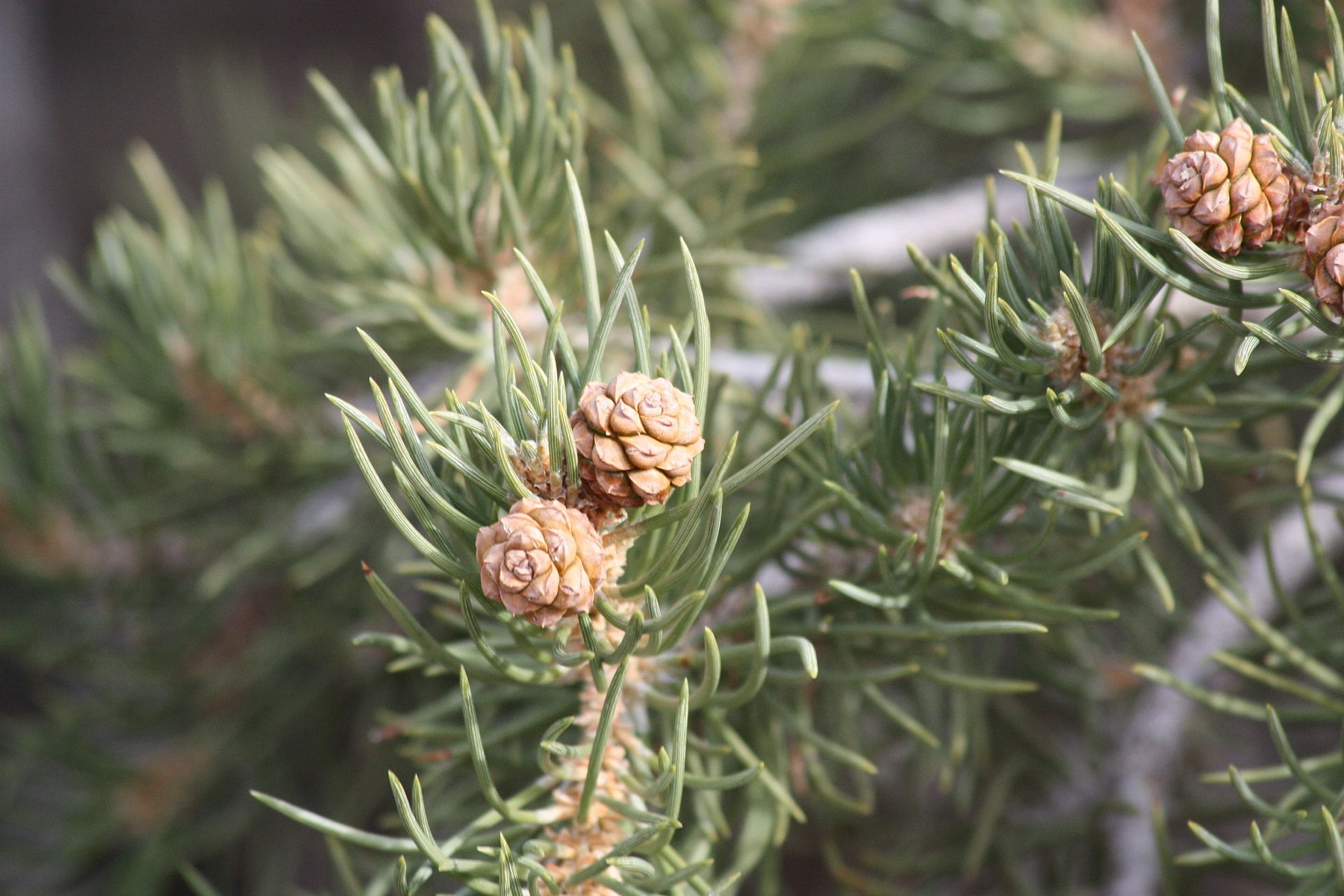 Single-leaf Pinyon 🌿 Pinus monophylla pine needles and cones; California juniper has scale-like foliage and berry-like cones.