Chaparral Whitethorn
Ceanothus leucodermis · Rhamnaceae
- Form
- Shrub
- Height
- 4-12 ft
- Sun
- Full Sun
- Water
- Very Low
- Blooms
- Mar, Apr, May, Jun
🌿 California native
Quick facts
- Habitat: Montane, Chaparral
- Form / size: Thorny shrub, 4-12 ft
- Sun: Full sun · Water (established): Very low
- Blooms: Spring · Pollinator value: High
Description
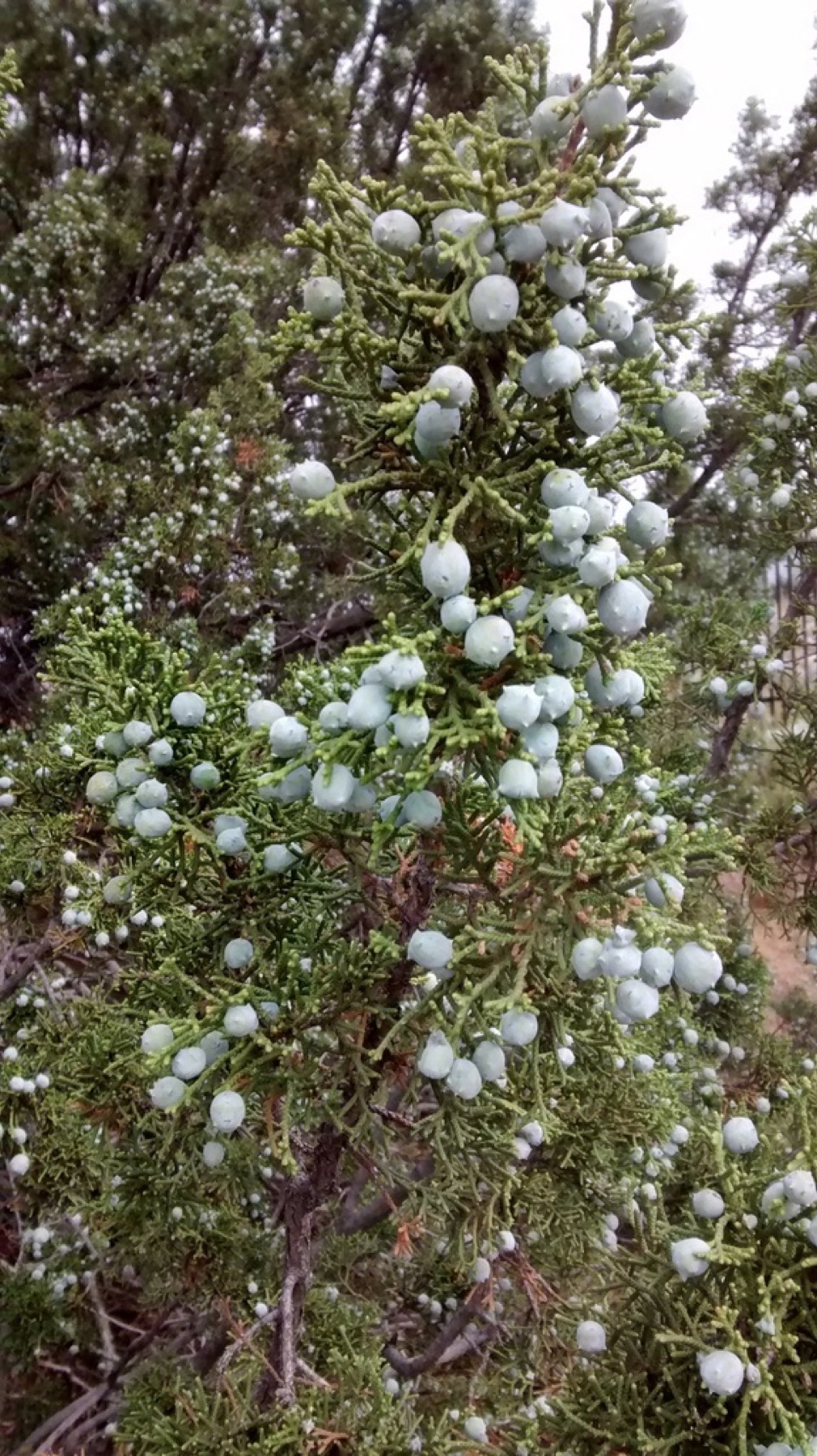
A stiff, pale-barked ceanothus with thorny branch tips and dense clusters of blue to whitish flowers. In bloom it can light up mountain chaparral; out of bloom, look for the gray-white stems, small leaves, and armed twiggy structure.
Wildlife & pollinators
Ceanothus flowers are excellent for native bees and butterflies. The shrub also provides cover and seed for birds.
Habitat & range
Chaparral and open montane slopes, especially after fire and on dry ridges. It is common in the San Gabriel and San Bernardino mountains and other cismontane ranges.
In the garden
Useful for dry habitat gardens where a tough, wildlife-rich shrub is welcome. Give it full sun, excellent drainage, and no regular summer water once established. It is not a soft patio shrub; the thorns are real.
Propagation
From seed, usually with heat or scarification cues that mimic fire. Cuttings are possible but less dependable than with some garden-selected ceanothus.
Where to see it near you
- iNaturalist — observed in Southern California
- Angeles Crest, San Bernardino Mountains, and burned/recovering mountain chaparral.
Problems
Short-lived if overwatered or planted in heavy soil. Watch for Root Rot in irrigated landscapes.