Bush Poppy
Dendromecon rigida · Papaveraceae
- Form
- Shrub
- Height
- 3-10 ft
- Sun
- Full Sun
- Water
- Very Low
- Blooms
- Mar, Apr, May, Jun
- Pet toxicity
- Toxic
🌿 California native
Quick facts
- Habitat: Montane, Chaparral
- Form / size: Evergreen shrub, 3-10 ft
- Sun: Full sun · Water (established): Very low
- Blooms: Spring, sometimes longer · Pollinator value: Moderate
Description
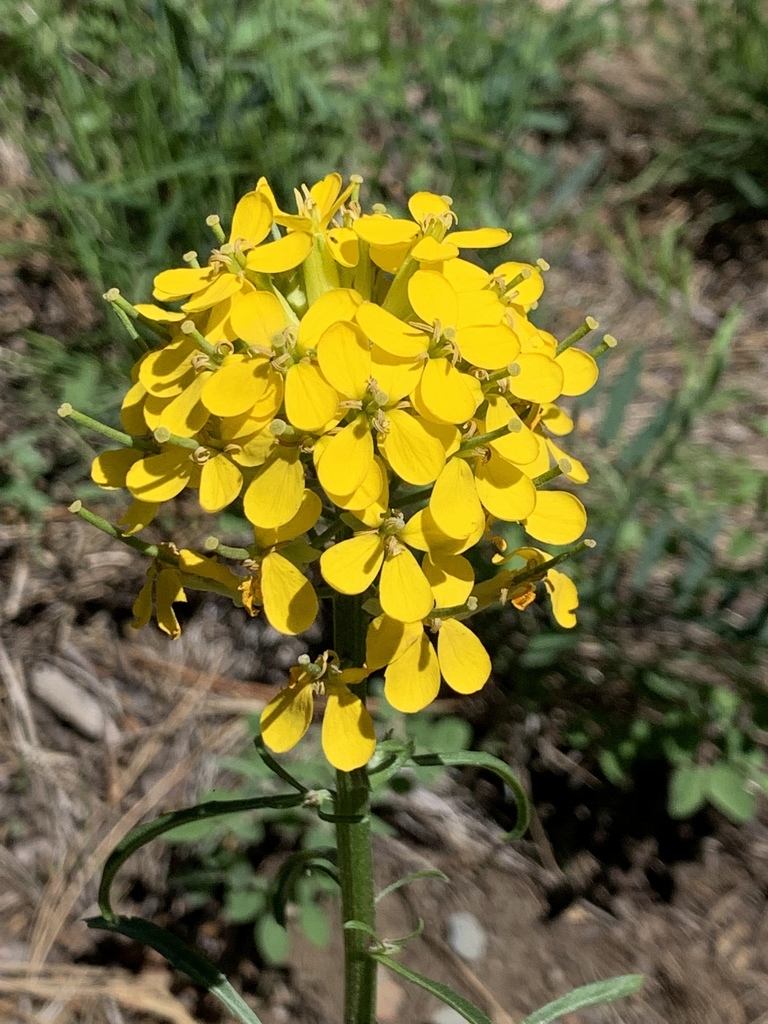
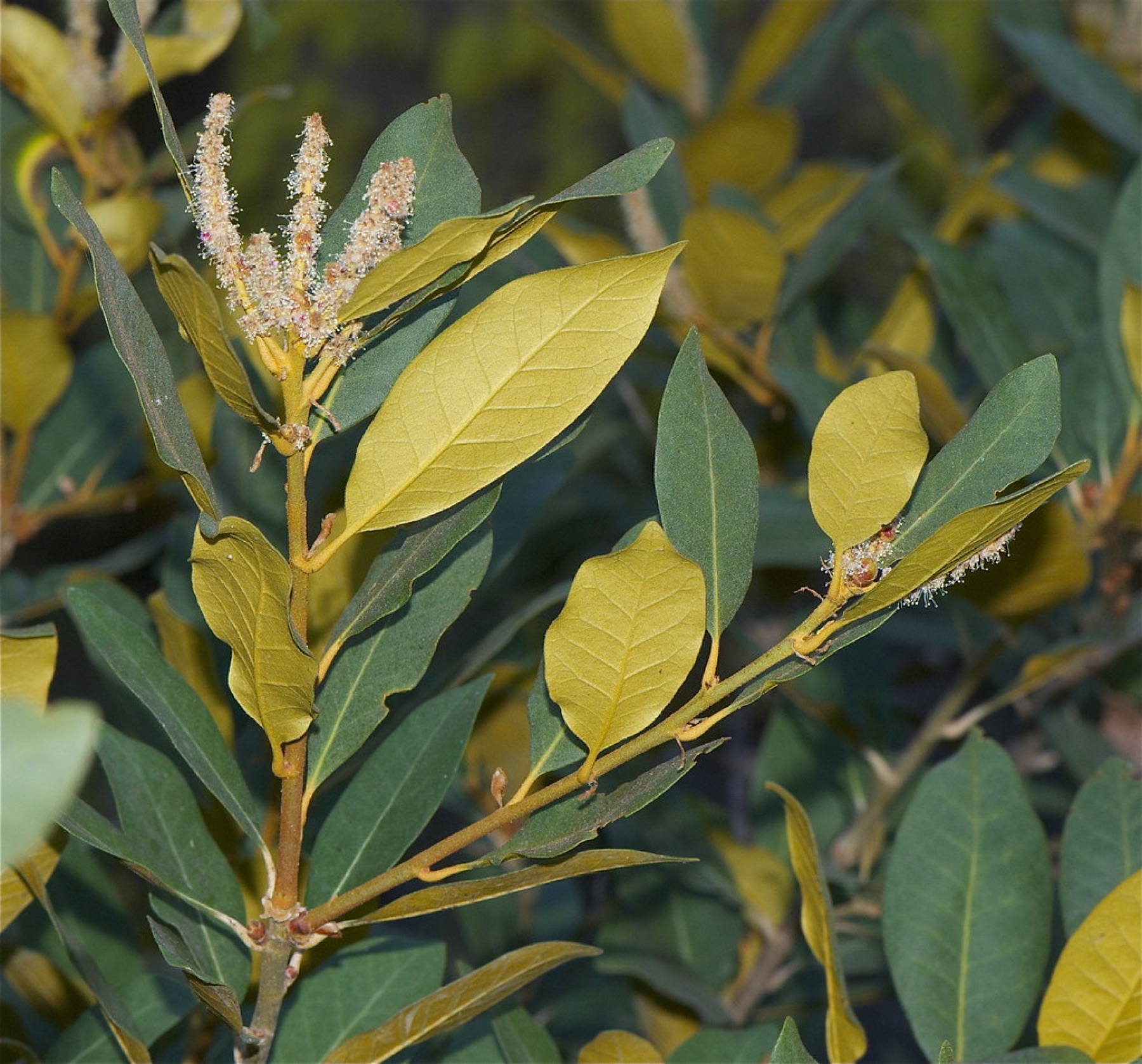
A woody poppy with narrow blue-green leaves and clear yellow, four-petaled flowers. It often appears on dry slopes after fire or disturbance, where the bright flowers stand out against gray-green chaparral.
Wildlife & pollinators
Flowers attract bees and other insects. The shrub adds evergreen cover on exposed slopes.
Habitat & range
Dry chaparral, mountain slopes, rocky cuts, and post-fire openings. It is frequent in the foothill-to-montane transition across Southern California.
In the garden
Excellent for tough, dry, sunny banks where drainage is sharp. It can be short-lived but dramatic, especially paired with sages, buckwheats, and manzanitas.
Propagation
From seed, often improved by fire/smoke-related cues. Cuttings are possible but not always easy. Young plants resent overwatering.
Where to see it near you
- iNaturalist — observed in Southern California
- Mountain roadsides, chaparral burns, and rocky cuts in the San Gabriels and Los Padres.
Problems
Short-lived in rich or irrigated gardens. Watch for Root Rot if watered like a conventional shrub.
Sources
Commonly confused with
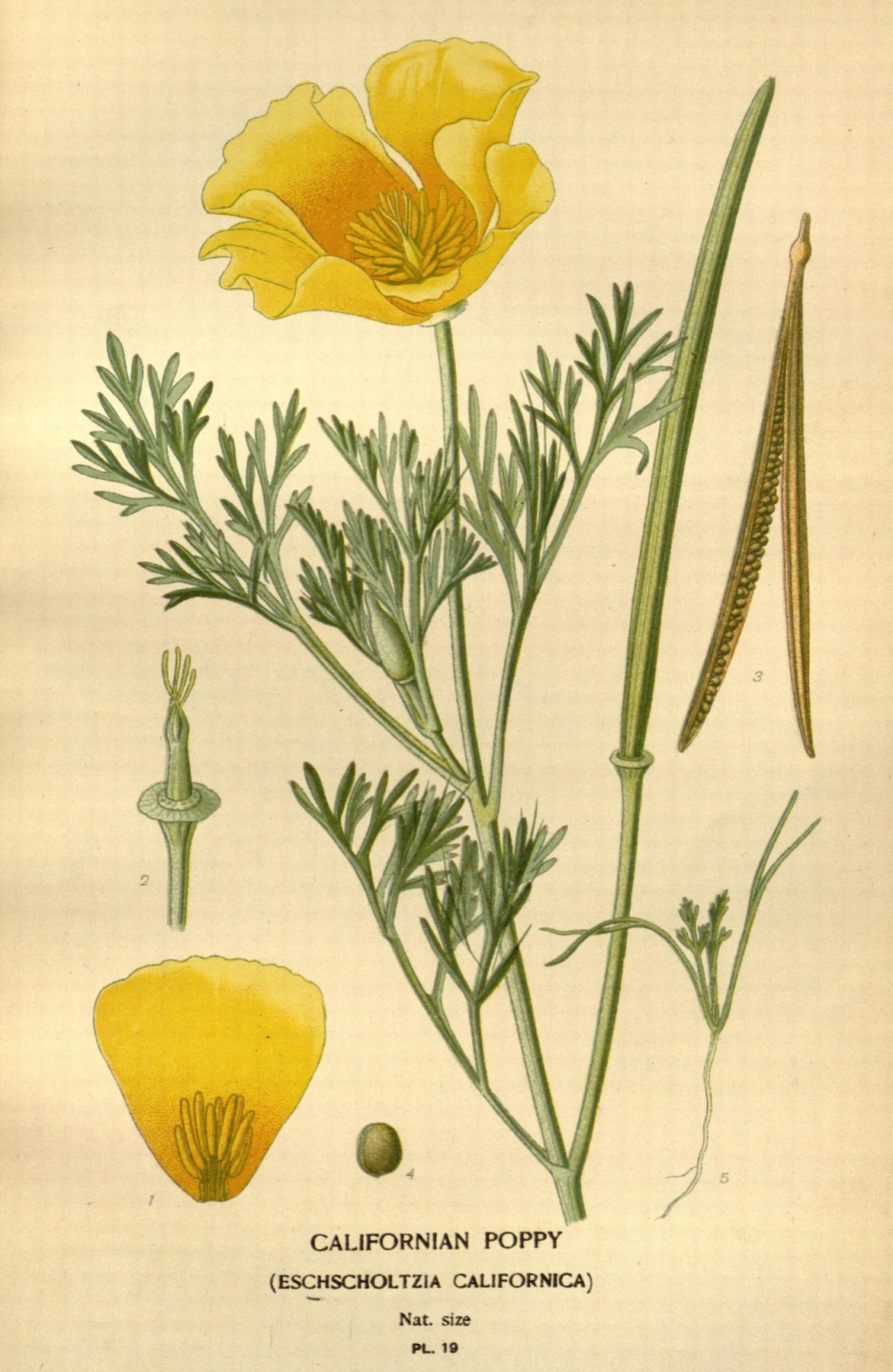 California Poppy 🌿 Eschscholzia californica herbaceous annual/perennial with ferny blue-green leaves; bush poppy is woody and shrubby.