Western Wallflower
Erysimum capitatum · Brassicaceae
- Form
- Perennial
- Height
- 1-3 ft
- Sun
- Full Sun
- Water
- Low
- Blooms
- Mar, Apr, May, Jun, Jul
- Pet toxicity
- Mild
🌿 California native
Quick facts
- Habitat: Montane, openings in chaparral and dry slopes
- Form / size: Short-lived perennial or biennial, 1-3 ft
- Sun: Full sun · Water (established): Low
- Blooms: Spring into summer · Pollinator value: Moderate
Description
A bright orange-to-yellow wildflower with four-petaled mustard-family blooms held in upright clusters. Leaves are narrow and simple, and the plant often appears as a clean vertical splash of color on open slopes or trail edges.
Wildlife & pollinators
Visited by native bees and butterflies. Like many mustards, it can support specialist insects, but it is not a high-structure habitat plant.
Habitat & range
Openings in montane forest, chaparral, grassland, rocky slopes, and post-disturbance patches. It is widespread and variable, showing up from lower foothills into high mountain settings.
In the garden
Good for meadow edges, dry wildflower plantings, and pollinator pockets. Treat it as a short-lived perennial that may reseed if the site suits it.
Propagation
From seed. Sow in fall for winter rain germination and spring bloom. It prefers open mineral soil and light competition.
Where to see it near you
- iNaturalist — observed in Southern California
- Mountain roadsides, open slopes, and post-fire wildflower patches.
Problems
Short-lived by nature. In gardens, too much shade or competition can make it disappear.
Sources
Commonly confused with
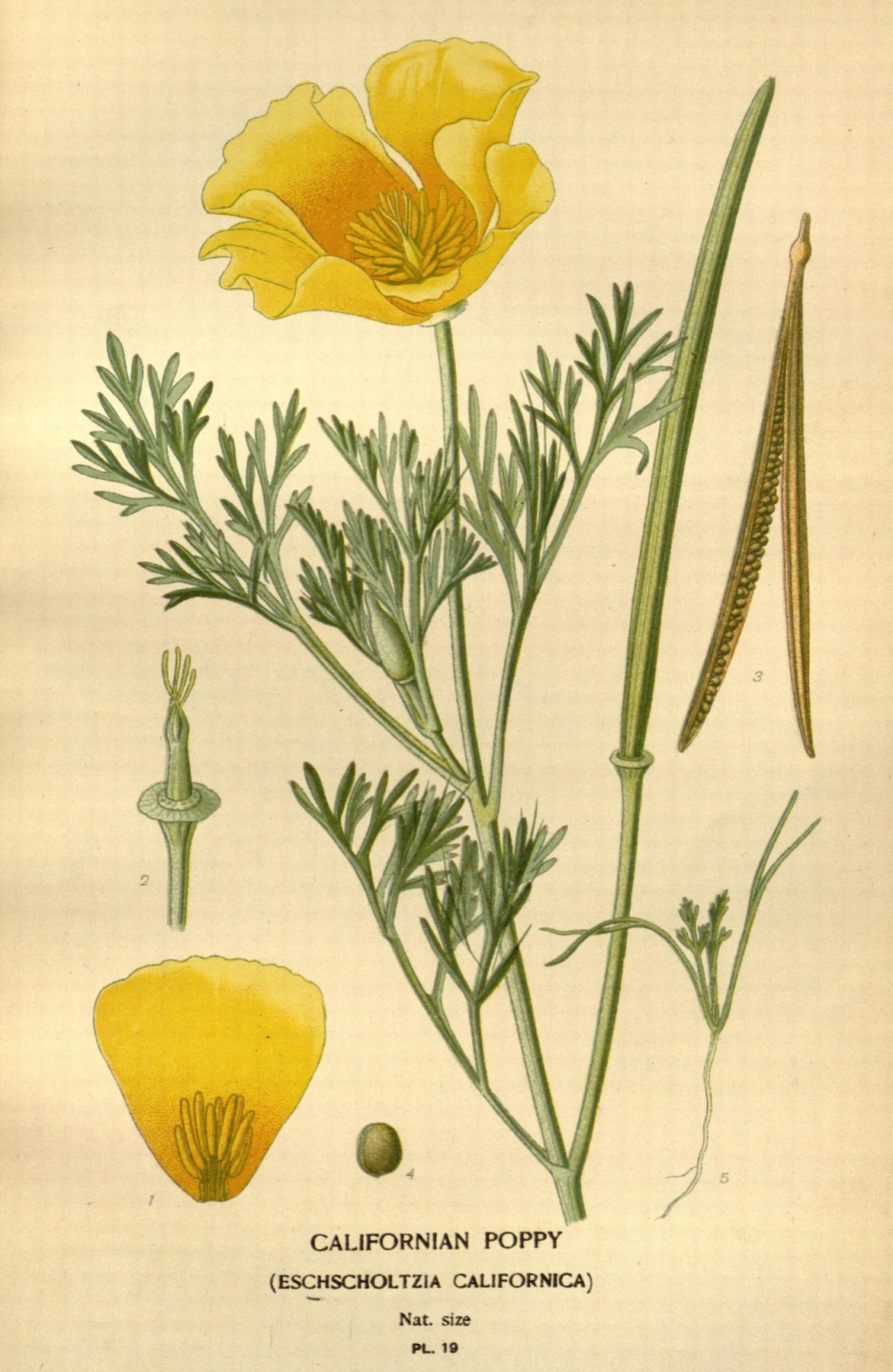 California Poppy 🌿 Eschscholzia californica cup-shaped poppy flowers and blue-green divided leaves; wallflower has four petals and narrow leaves.