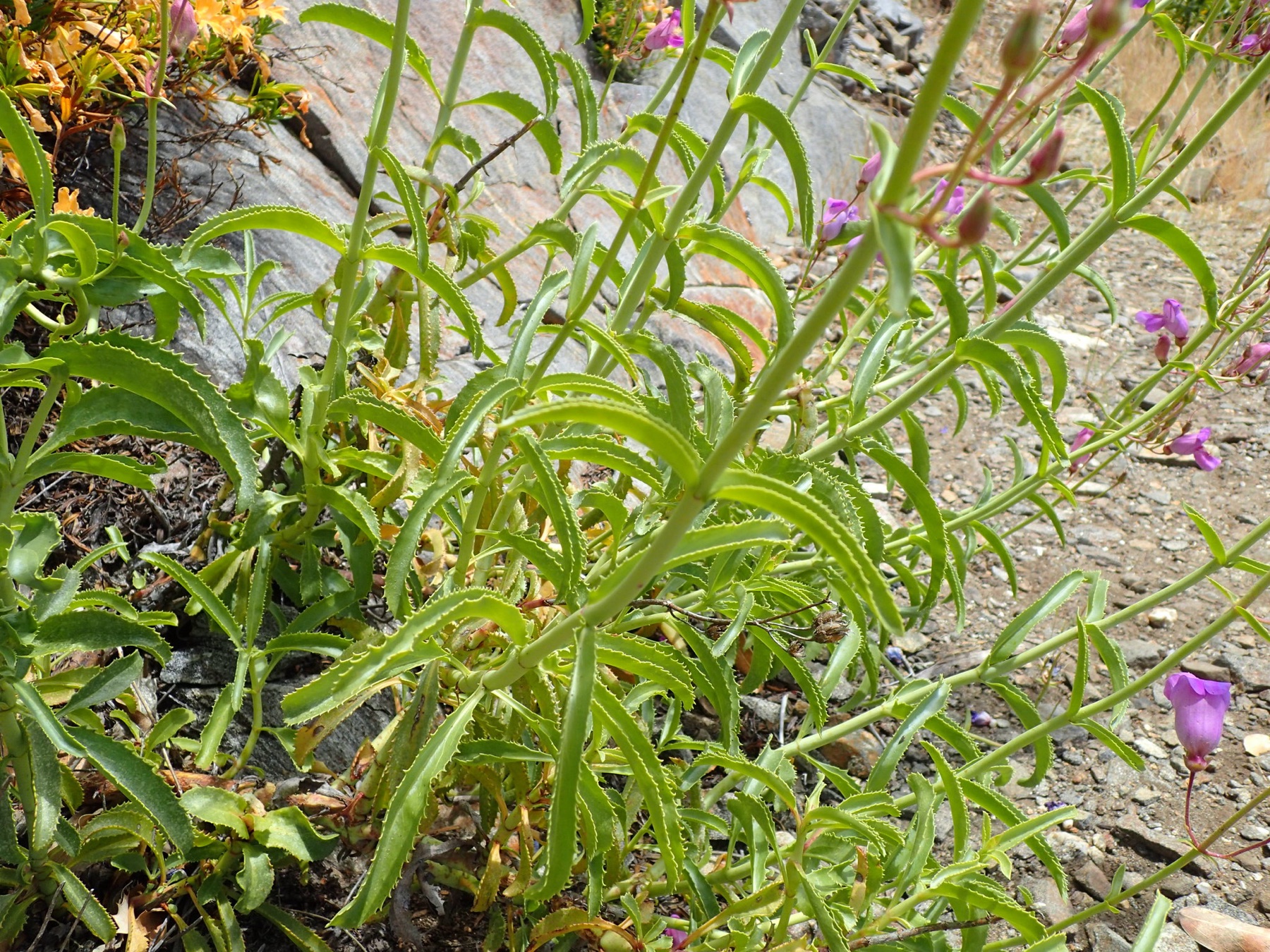
Big Berry Manzanita
Arctostaphylos glauca · Ericaceae
- Form
- Shrub
- Height
- 6-15 ft
- Sun
- Full Sun
- Water
- Very Low
- Blooms
- Jan, Feb, Mar, Apr
🌿 California native
Quick facts
- Habitat: Montane, Chaparral
- Form / size: Large shrub, 6-15 ft
- Sun: Full sun · Water (established): Very low
- Blooms: Winter-spring · Pollinator value: High
Description
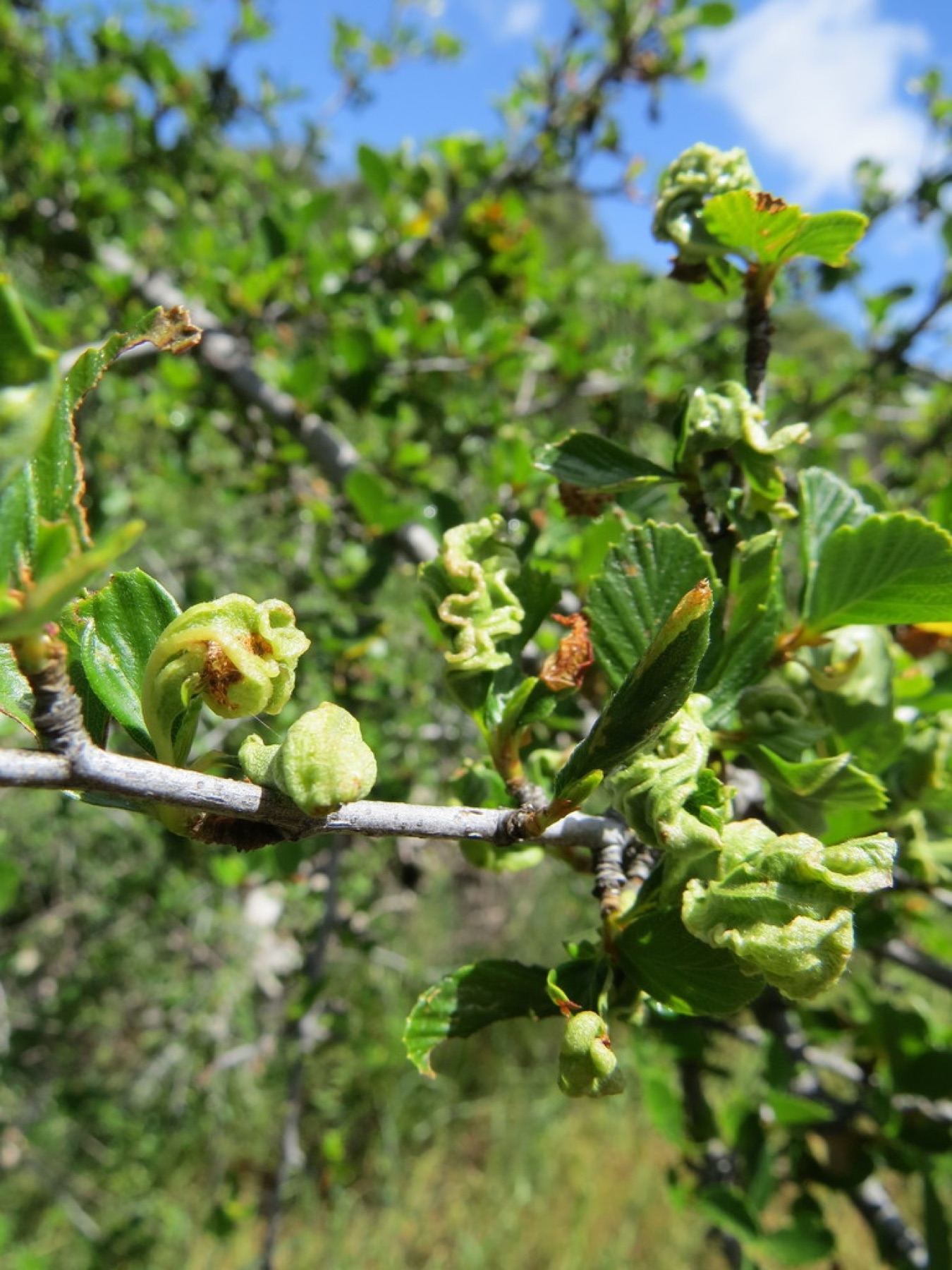
A big, sculptural manzanita with smooth red bark, pale urn-shaped flowers, and unusually large fruits. The leaves are gray-green and leathery, giving the plant a cool, dry, mountain-chaparral look even before it blooms.
Wildlife & pollinators
Winter flowers feed bees and hummingbirds when fewer plants are blooming. Fruits feed birds and mammals.
Habitat & range
Dry chaparral and montane slopes across Southern California, especially inland ranges. It often occupies rocky slopes and ridges where drainage is fast.
In the garden
A beautiful structural shrub for dry slopes and large native gardens. It needs space, drainage, and restraint with irrigation. Do not plant it where it will be boxed in or watered like a lawn-edge shrub.
Propagation
From seed, usually requiring scarification/fire-related cues, or from cuttings with difficulty. Nursery-grown plants are the practical route for most gardens.
Where to see it near you
- iNaturalist — observed in Southern California
- Dry mountain chaparral in the San Gabriels, Santa Anas, San Bernardinos, and Los Padres.
Problems
Overwatering and poor drainage are the big ones. Watch for Root Rot and branch dieback in irrigated landscapes.
Sources
Commonly confused with
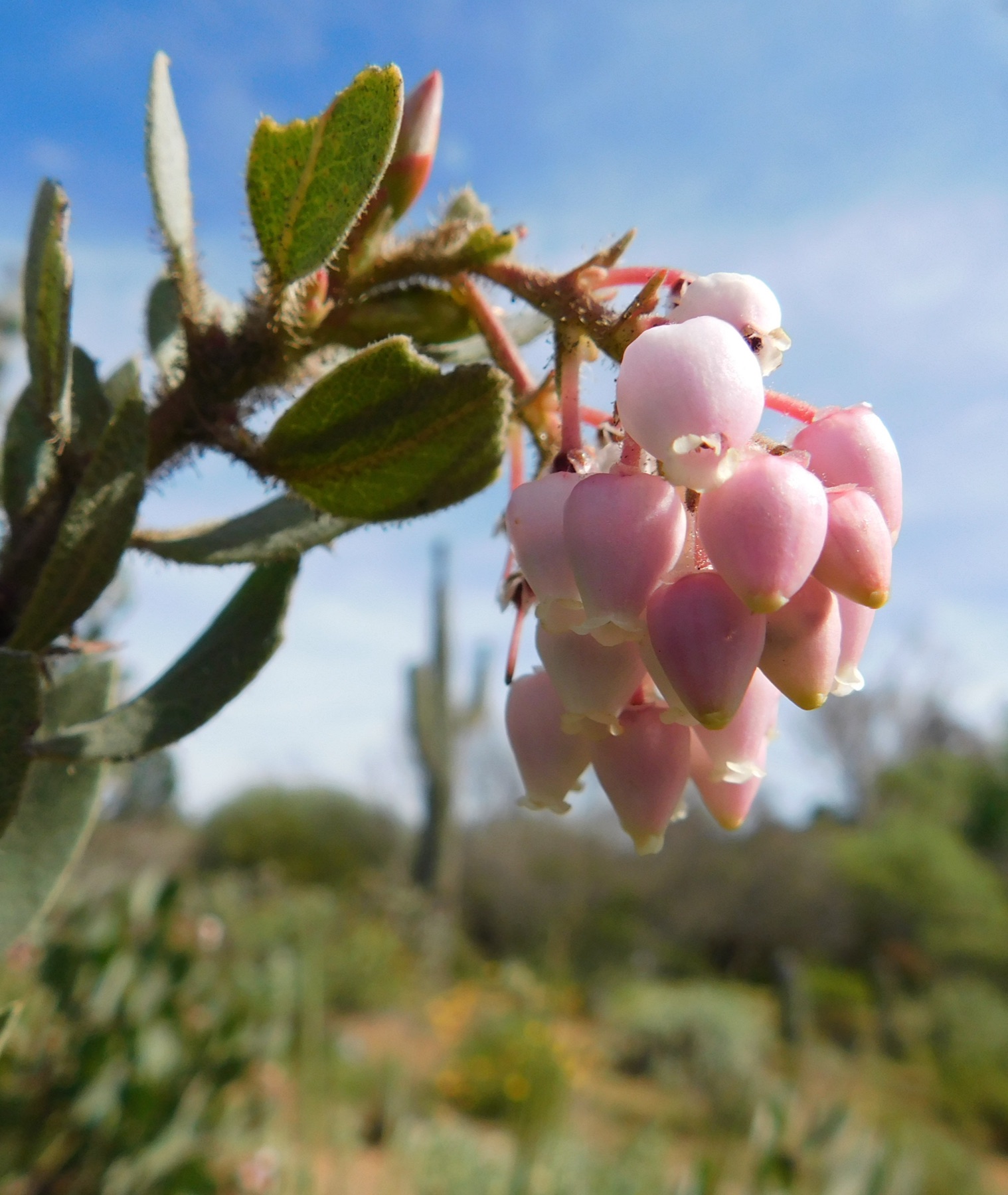 Eastwood's Manzanita 🌿 Arctostaphylos glandulosa often glandular/sticky with different leaf and bract details; big berry manzanita has notably large fruit and gray-green leaves.
 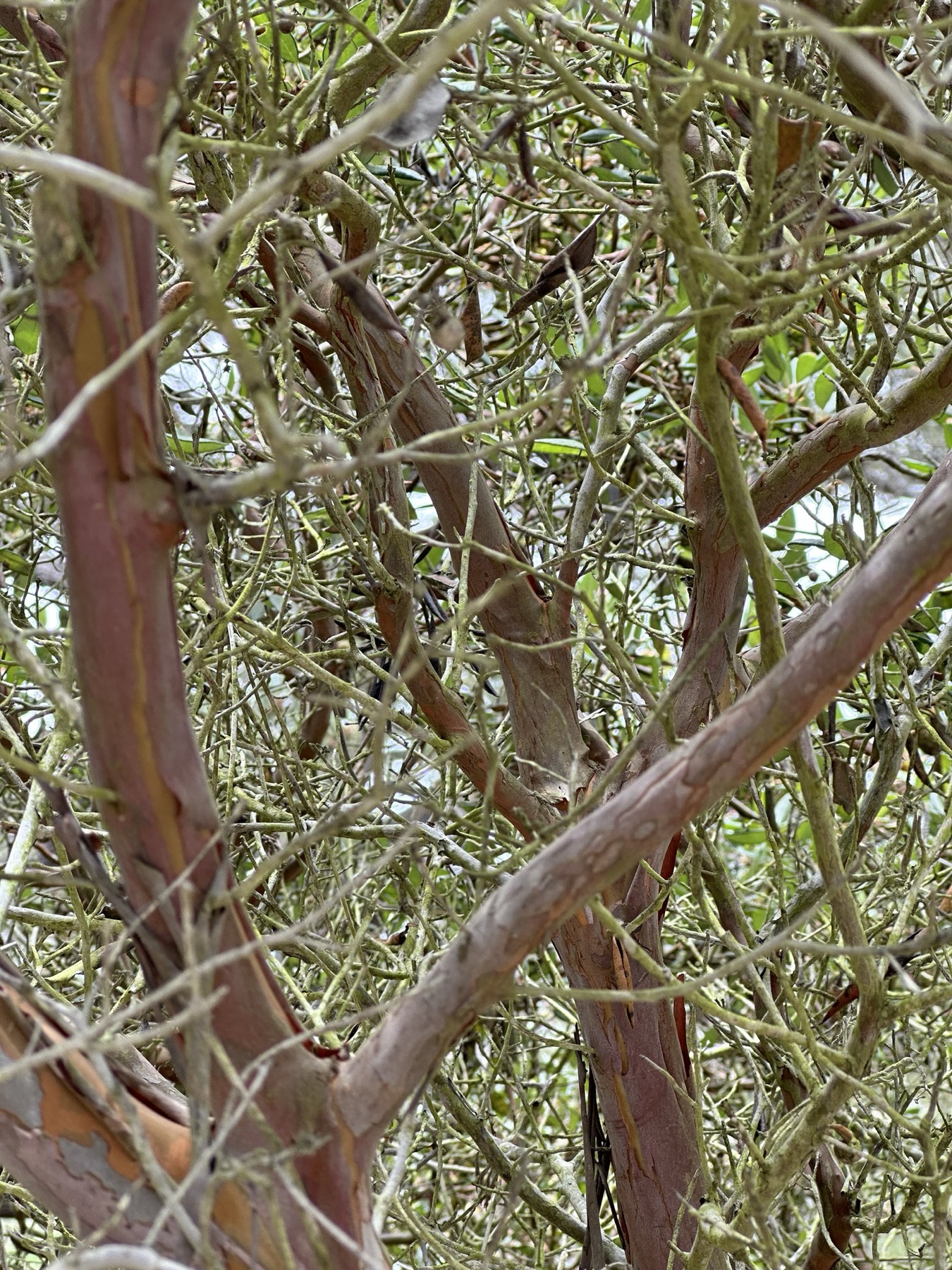 Mission Manzanita 🌿 Xylococcus bicolor burlier leaves with pale undersides and different fruit; manzanita has urn flowers and red bark.