Giant Woollystar
Eriastrum densifolium · Polemoniaceae
- Form
- Annual
- Height
- 6–24 in
- Sun
- Full Sun
- Water
- Very Low
- Blooms
- Apr, May, Jun
🌿 California native
Quick facts
- Habitat: Open Desert flats, dry washes, and sparse sandy ground
- Form / size: Upright annual, 6–24 in
- Sun: Full sun · Water: Very low
- Blooms: Spring fuzzy pink-lavender flower heads · Pollinator value: High
Description
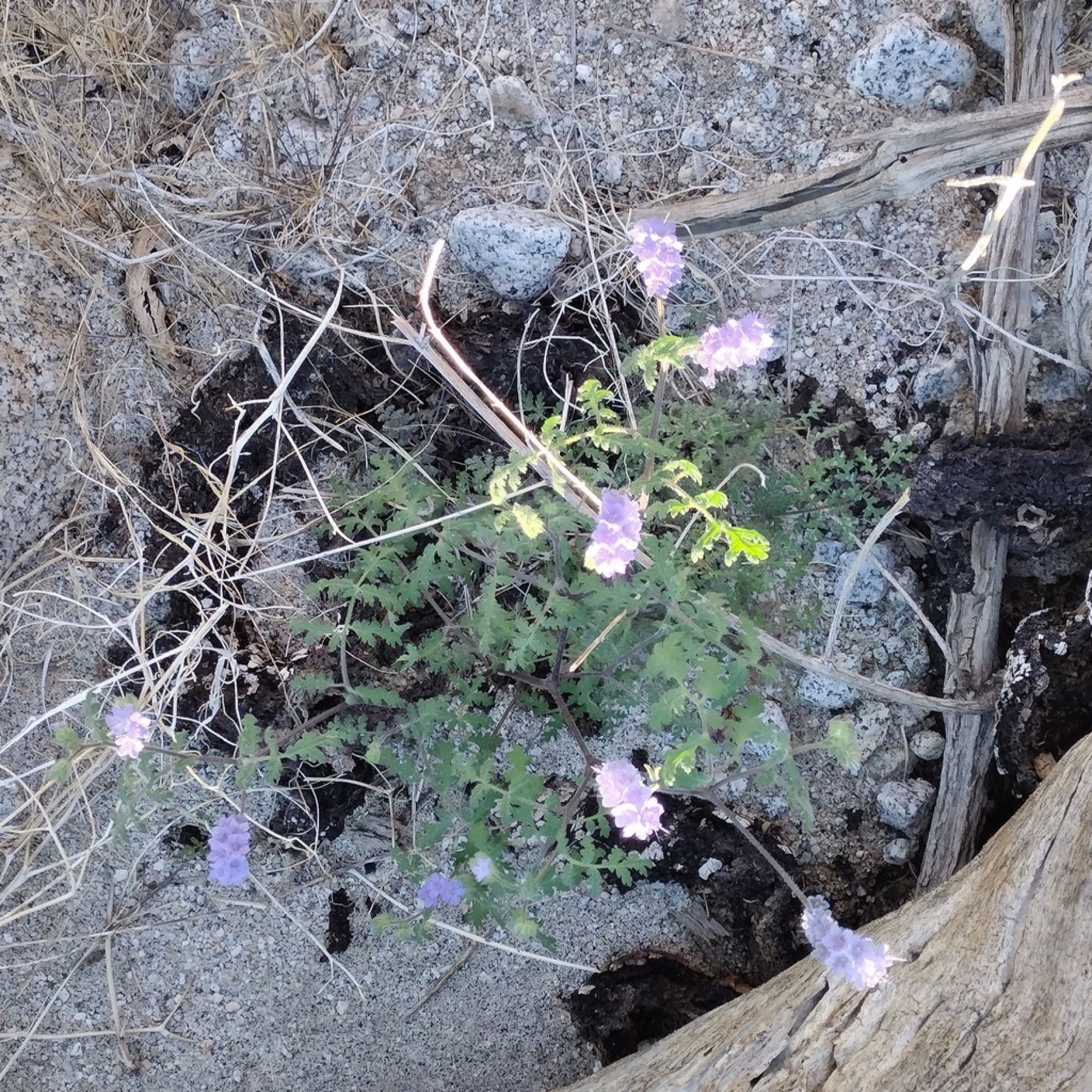
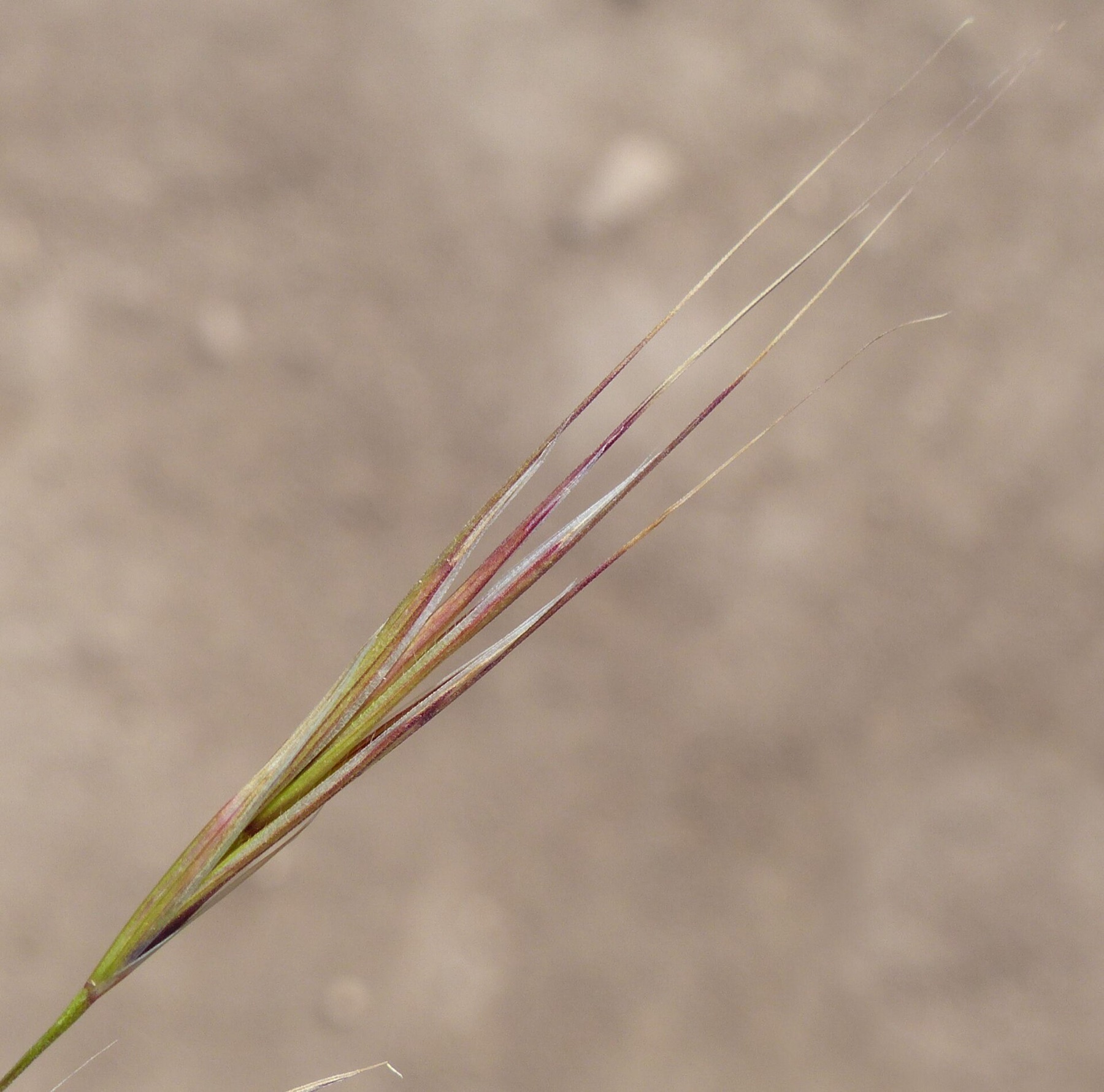
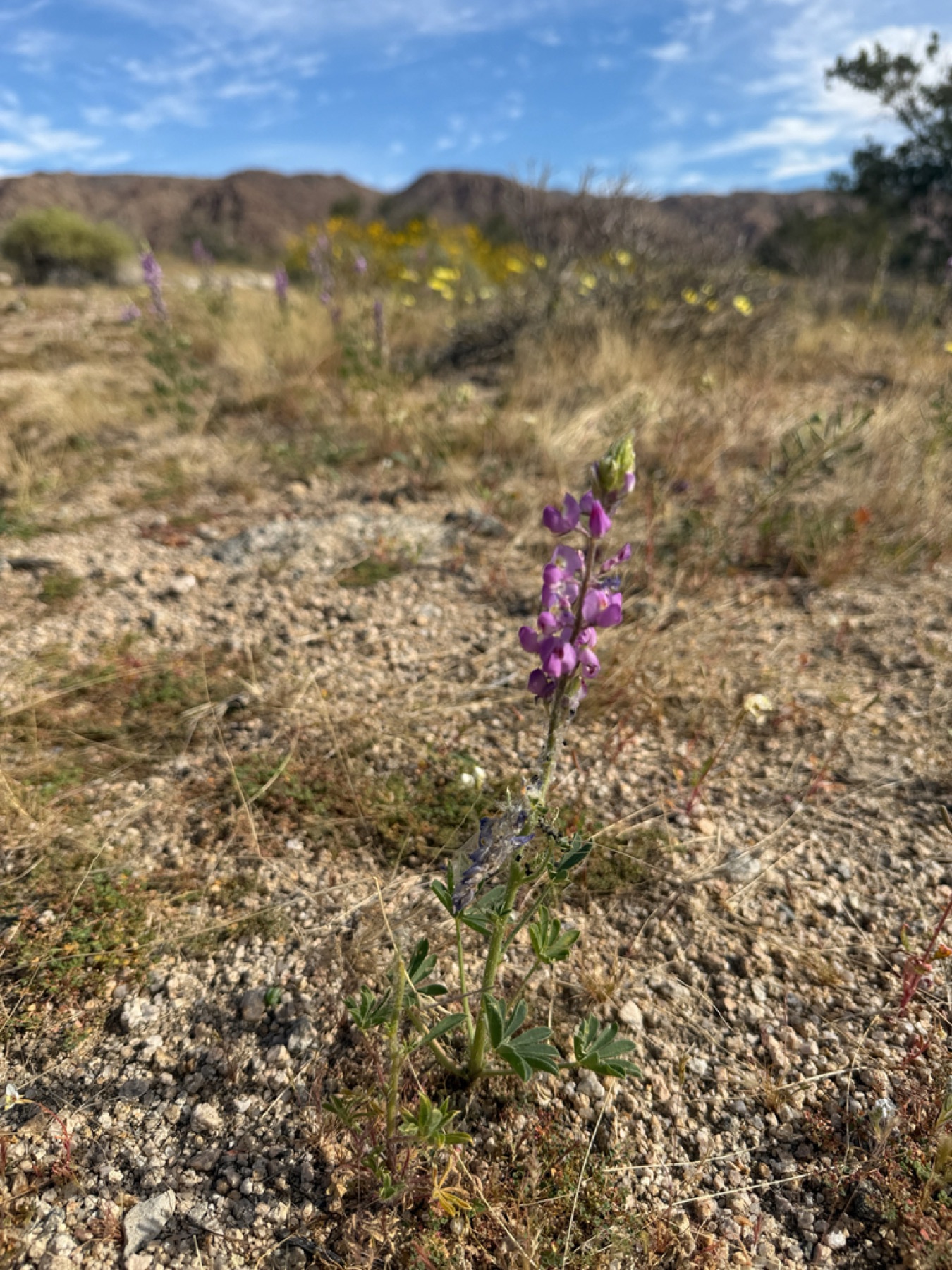
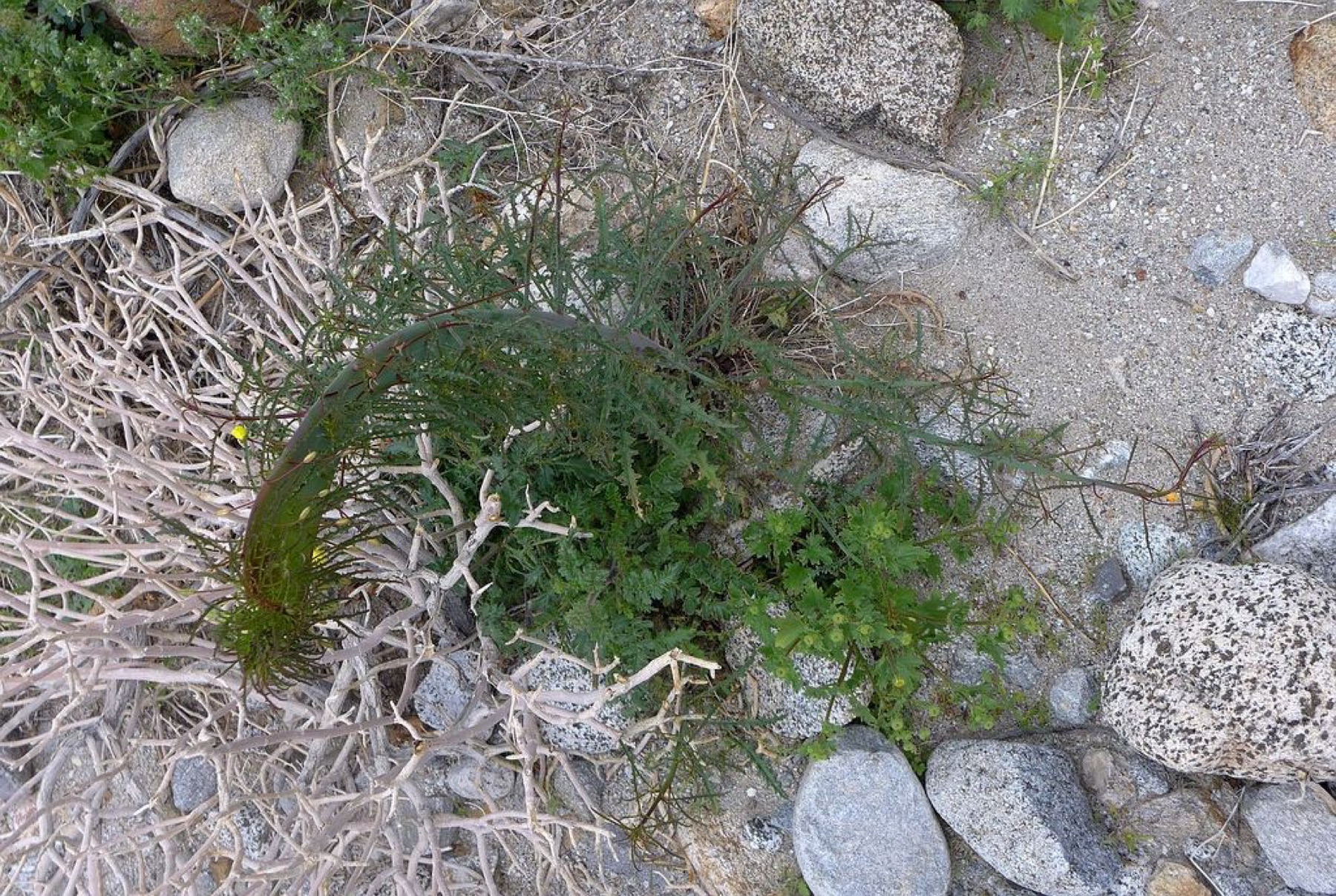
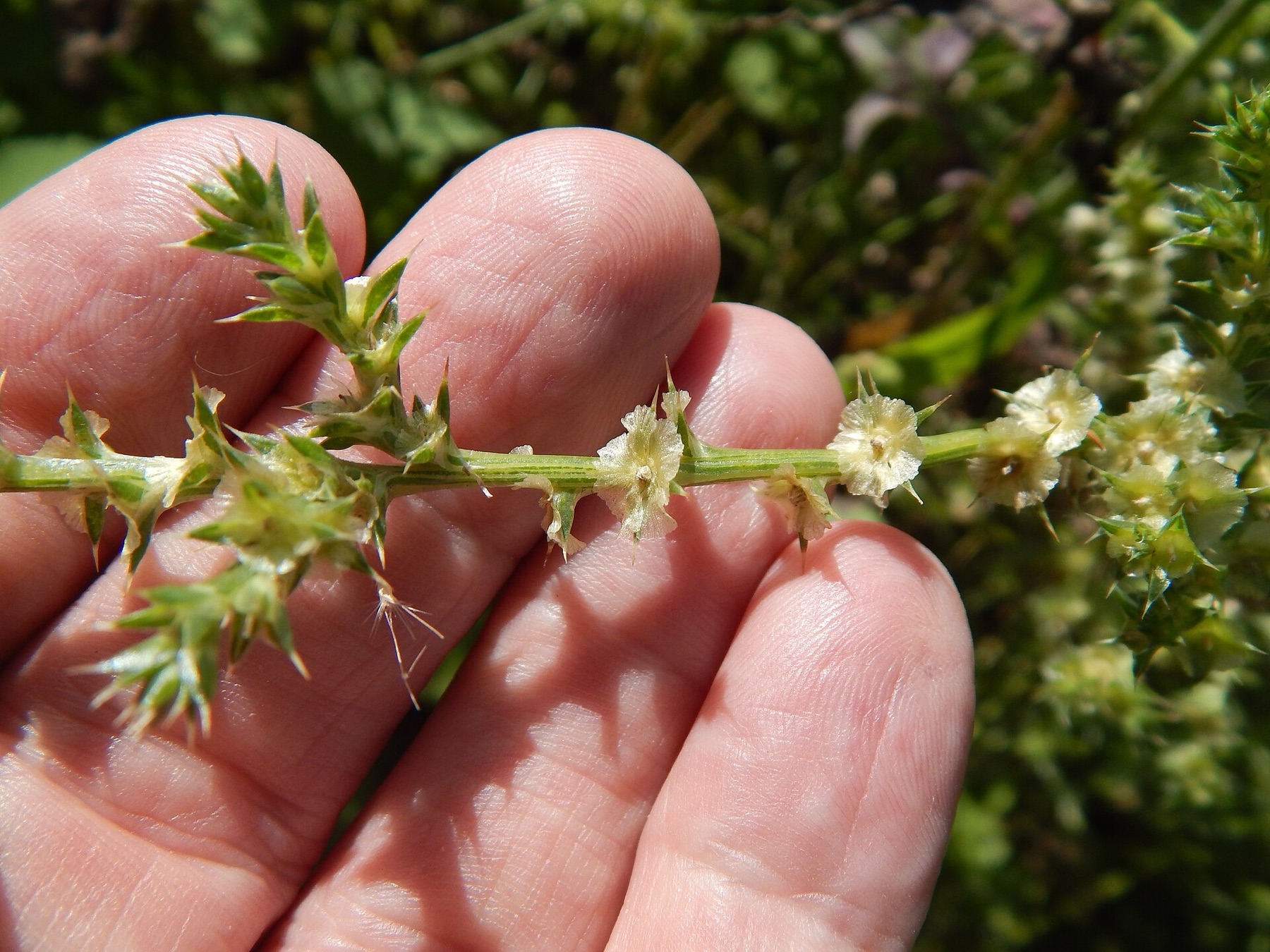
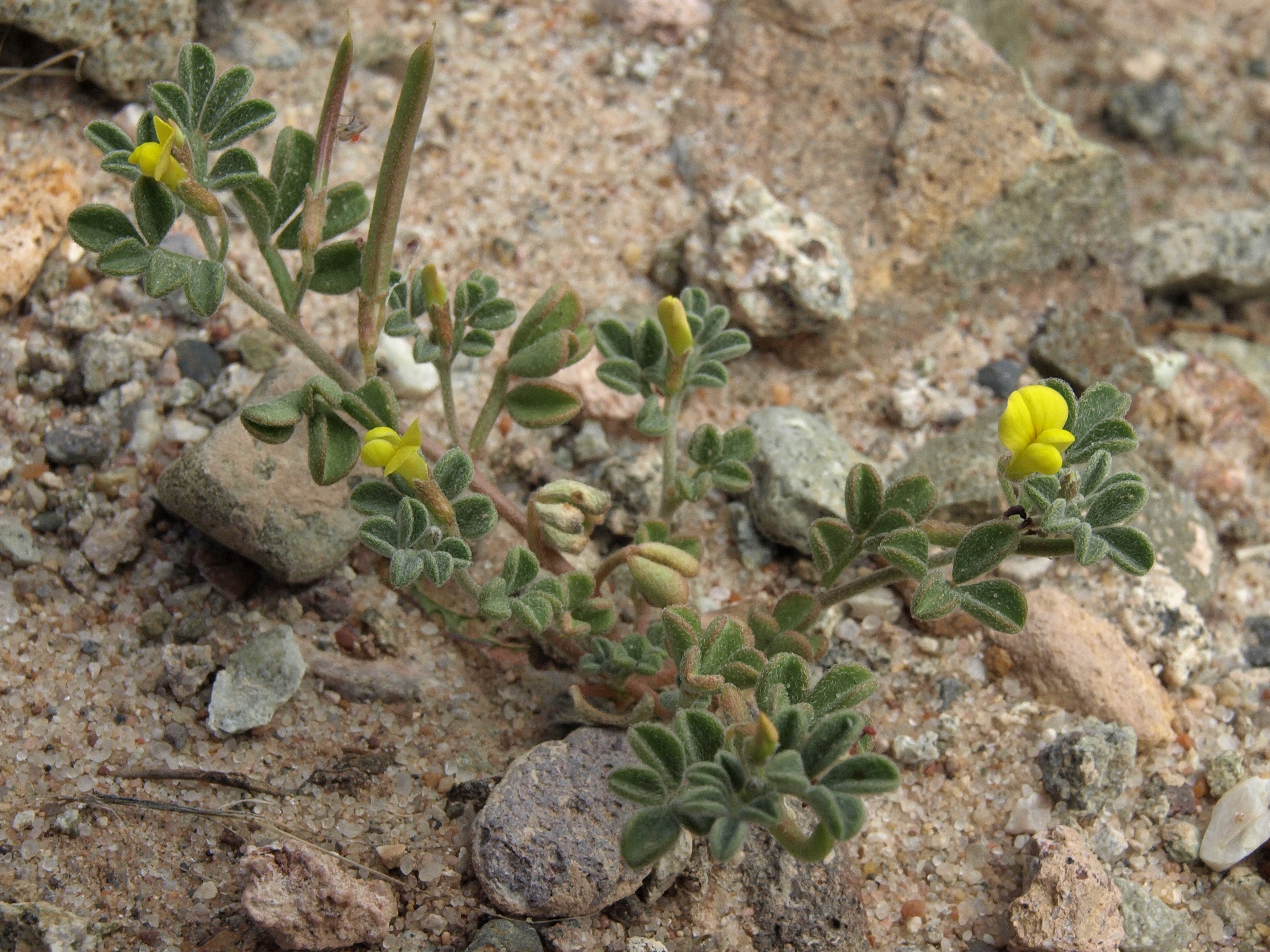
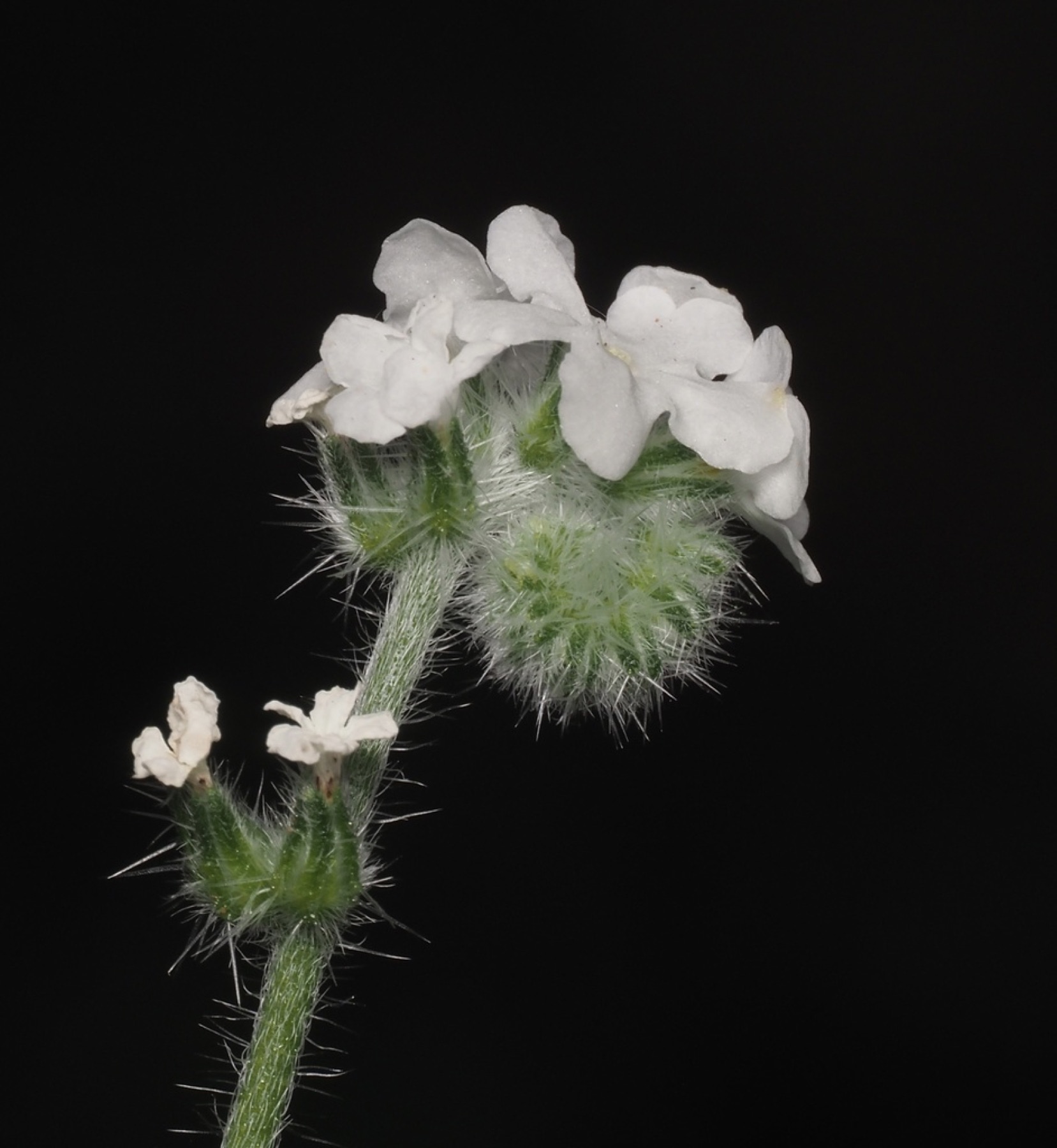
A distinctive wildflower with narrow leaves, hairy stems, and clustered lavender-pink flowers that can give the whole plant a fuzzy, glowing look. It stands more upright than many low desert annuals.
Wildlife & pollinators
Strong pollinator value for spring bees and insects.
Habitat & range
Dry open sandy or gravelly ground in southern desert and east-side transition habitats, including parts of the Owens Valley region.
In the garden
Good for native annual displays in lean desert soils if allowed to reseed naturally.
Propagation
From seed sown ahead of winter rains.
Where to see it near you
- iNaturalist — observed across California (map)
- Best in the drier southern eastern Sierra / Owens Valley side, especially near Lone Pine.