Mountain Coyote Mint
Monardella odoratissima · Lamiaceae
- Form
- Perennial
- Height
- 0.5–1.5 ft
- Sun
- Full Sun
- Water
- Low
- Blooms
- Jun, Jul, Aug
- Habitat
- Montane · Sagebrush Scrub
🌿 California native
Quick facts
- Habitat: Dry Montane slopes and upper Sagebrush Scrub
- Form / size: Aromatic perennial, 0.5–1.5 ft
- Sun: Full sun · Water: Low
- The smell: minty and resinous when crushed
Description
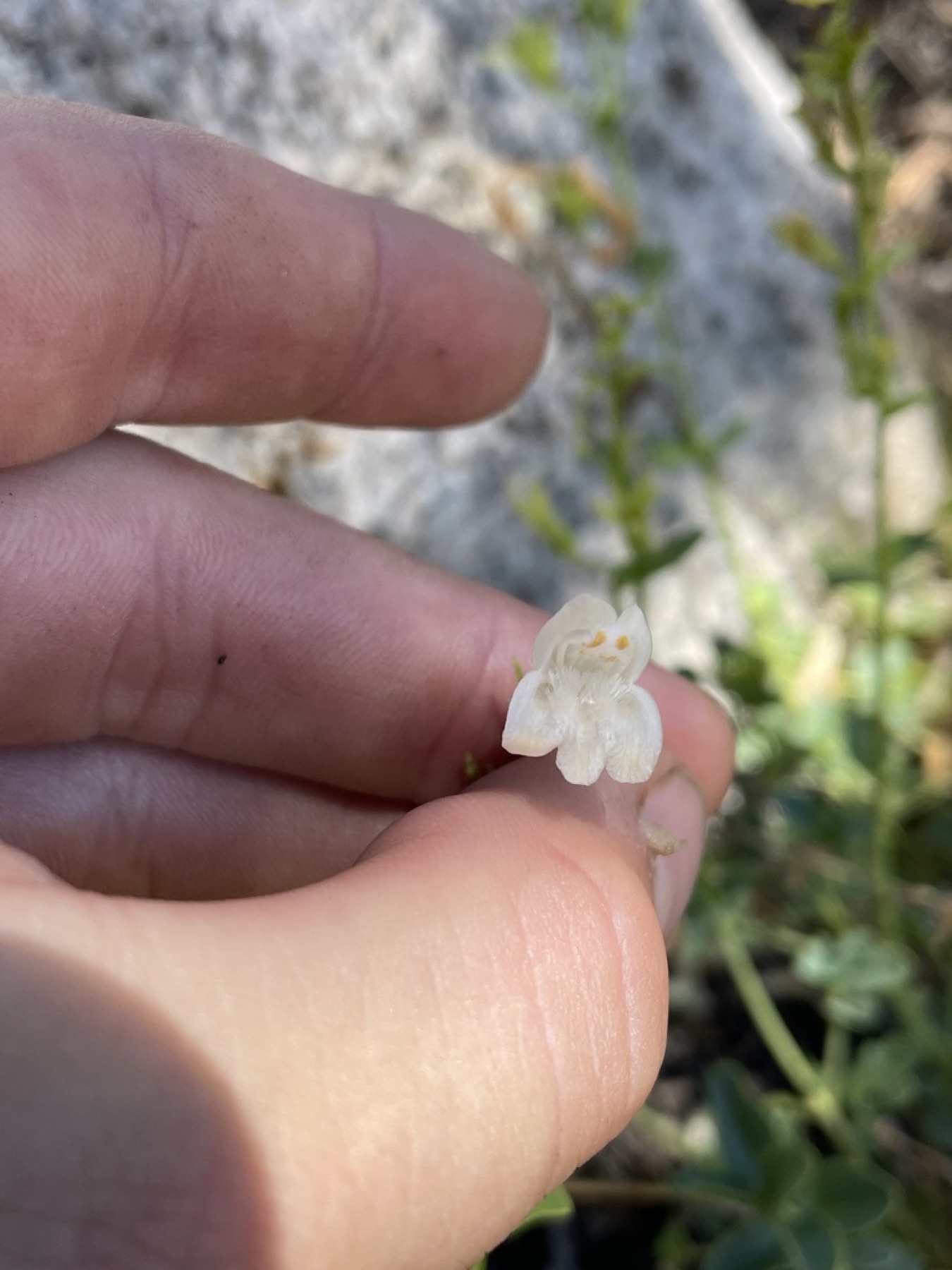
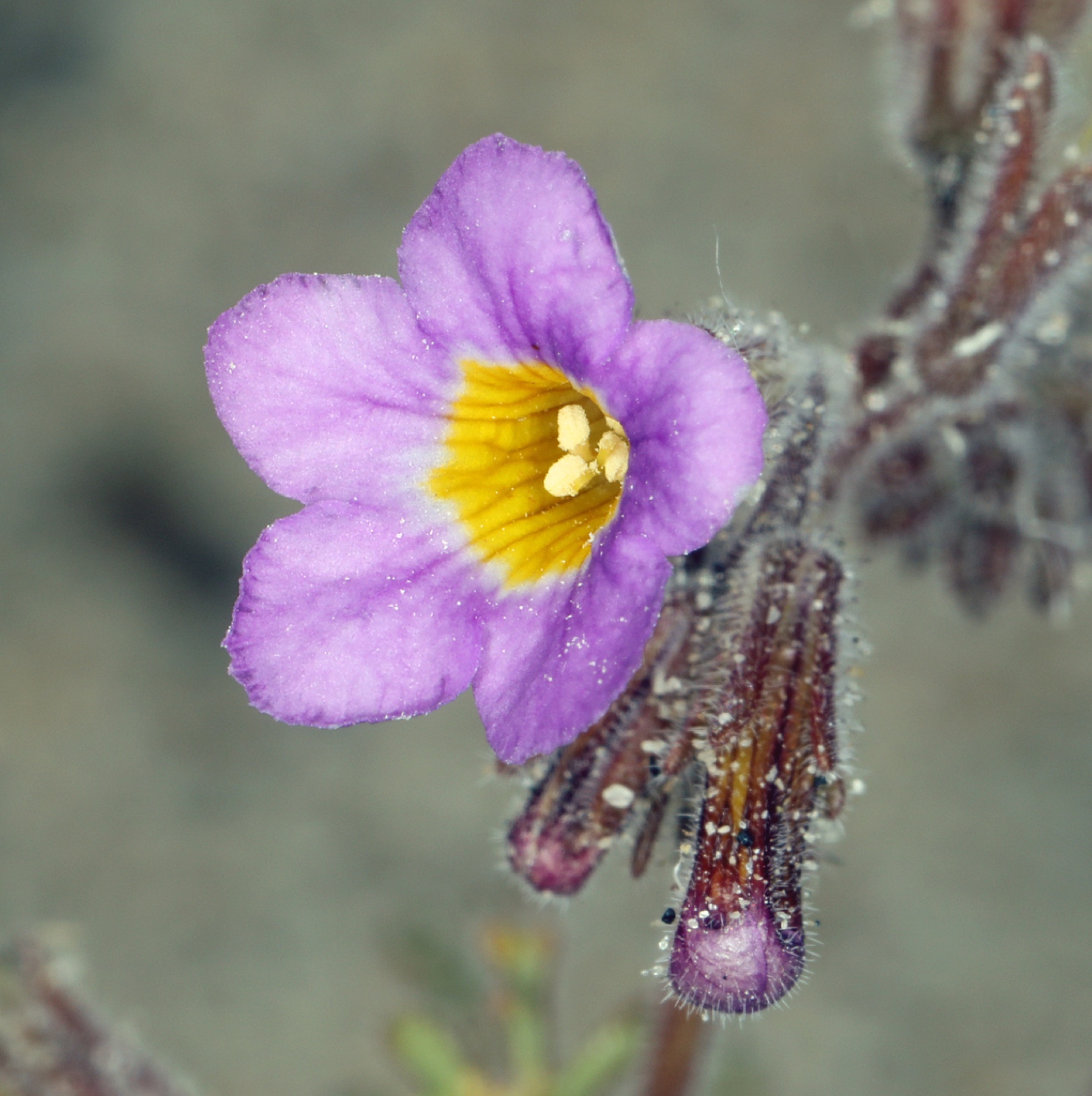
A fragrant little mint with opposite leaves and rounded clusters of small pink-lavender flowers. The scent is often the first giveaway: crush the foliage and it immediately reads as a mountain mint.
Wildlife & pollinators
Very good for bees, butterflies, and other summer pollinators.
Habitat & range
Open dry slopes, rocky forest edges, and sage transition country in the Sierra and Great Basin edge.
In the garden
Excellent in sunny mountain native beds, dry pollinator borders, and rock gardens.
Propagation
From seed or cuttings. Usually straightforward with drainage and sun.
Where to see it near you
- iNaturalist — observed across California (map)
- Frequent on dry mountain slopes around Bridgeport and the broader Eastern Sierra corridor.