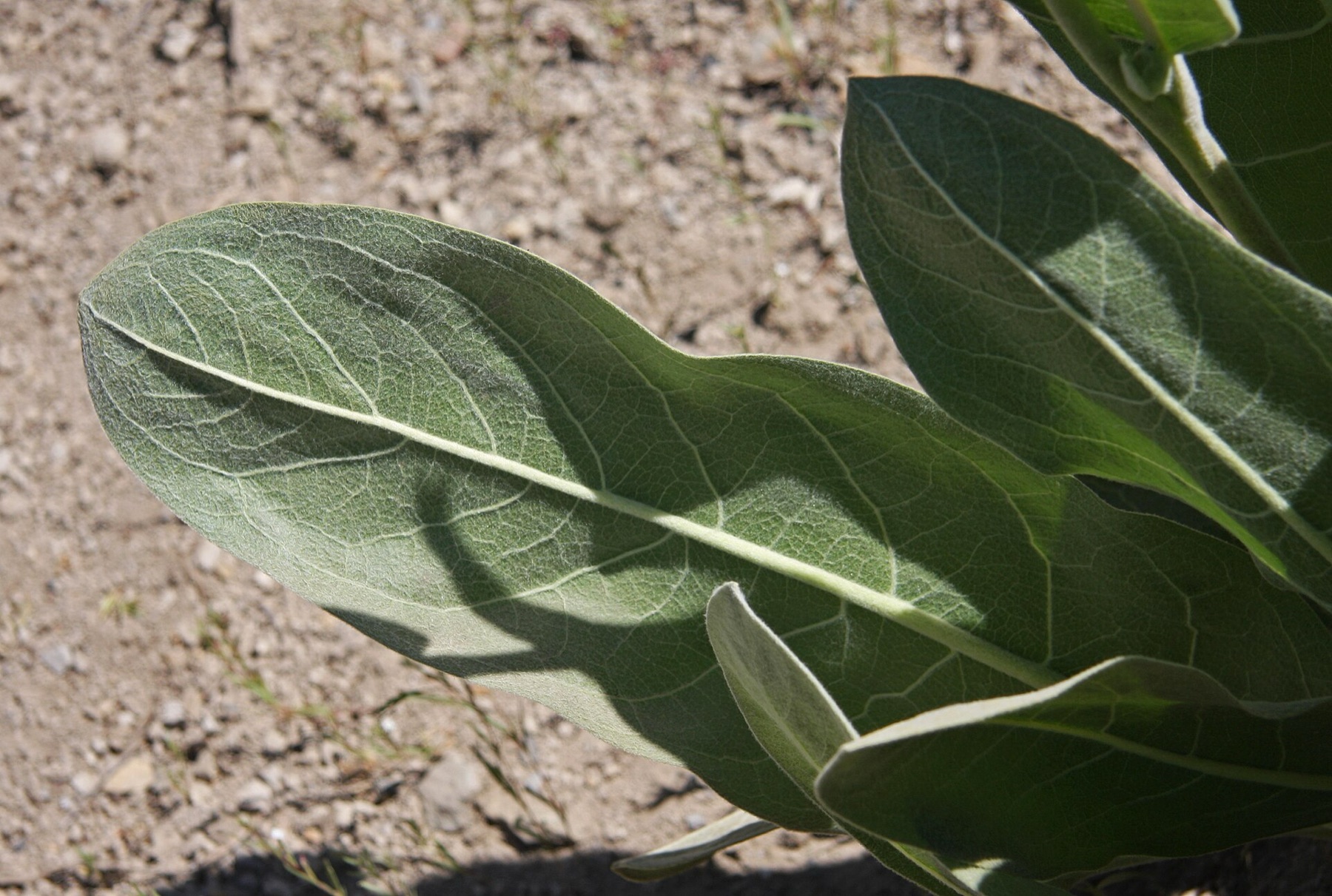
Two-colored Phacelia
Phacelia bicolor · Boraginaceae
- Form
- Annual
- Height
- 4–16 in
- Sun
- Full Sun
- Water
- Low
- Blooms
- May, Jun, Jul
- Habitat
- Sagebrush Scrub · Montane
🌿 California native
Quick facts
- Habitat: Open Sagebrush Scrub and dry Montane clearings
- Form / size: Spring–summer annual, 4–16 in
- Sun: Full sun · Water: Low
- Blooms: Blue-purple flowers with paler throats · Pollinator value: High
Description
A small but showy phacelia with fuzzy foliage and curled flower clusters of violet-to-blue blossoms that often look lighter in the throat. In bloom it gives that classic western wildflower texture: hairy stems, coiled inflorescences, and a haze of bee activity.
Wildlife & pollinators
Excellent small-pollinator flower, especially for native bees.
Habitat & range
Open, sunny mountain and east-side ground, especially in disturbed soils, sage openings, and dry meadows around the Eastern Sierra.
In the garden
Good candidate for seasonal wildflower plantings in dry mountain-style settings if allowed to reseed.
Propagation
From seed. Usually easiest as a direct-sown annual.
Where to see it near you
- iNaturalist — observed across California (map)
- Frequent in open Mammoth-adjacent slopes and dry montane country of the Eastern Sierra.
Sources
Commonly confused with
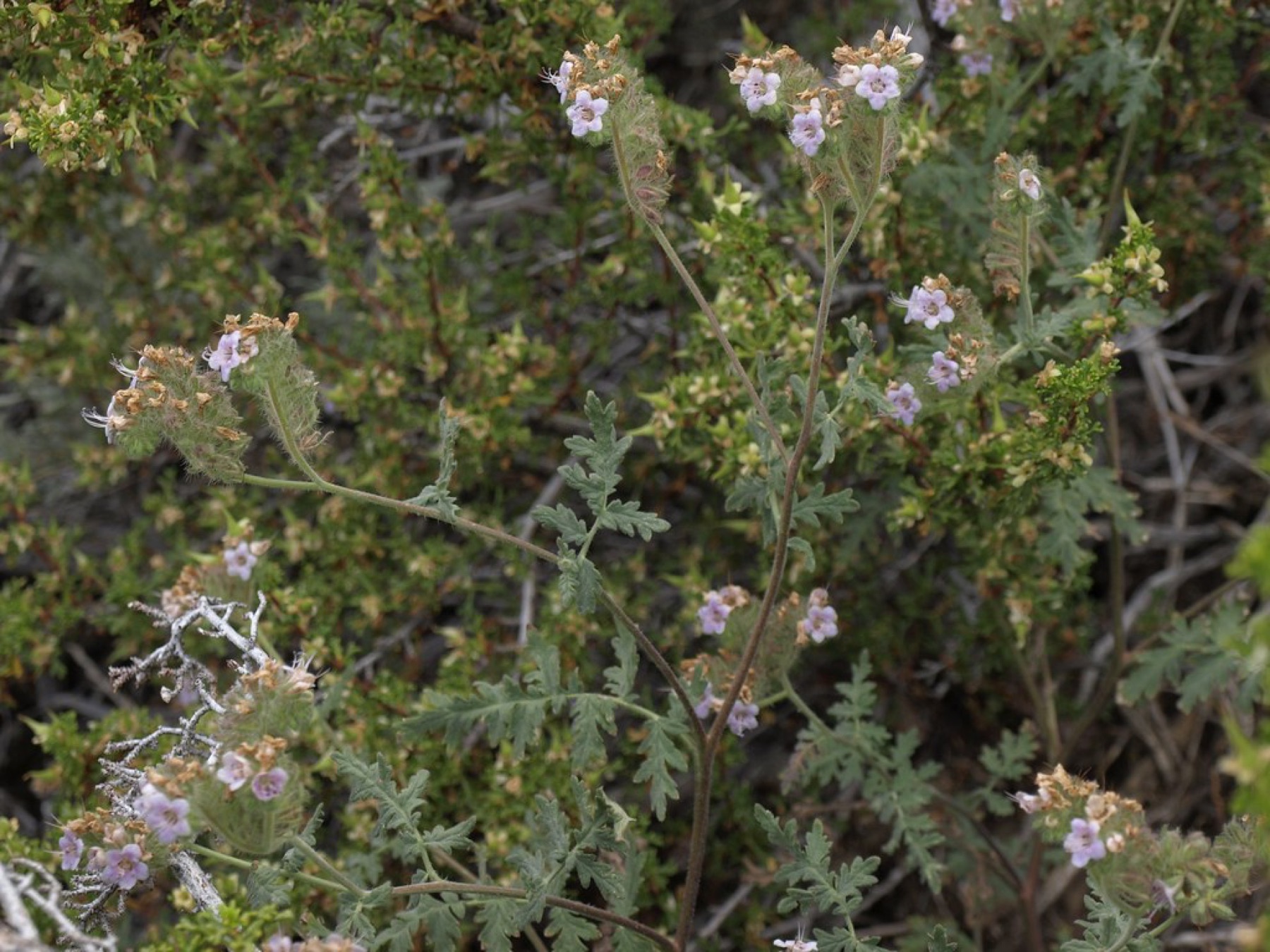 Branching Phacelia 🌿 Phacelia ramosissima branching phacelia is a more sprawling desert-edge perennial with a different overall habit.
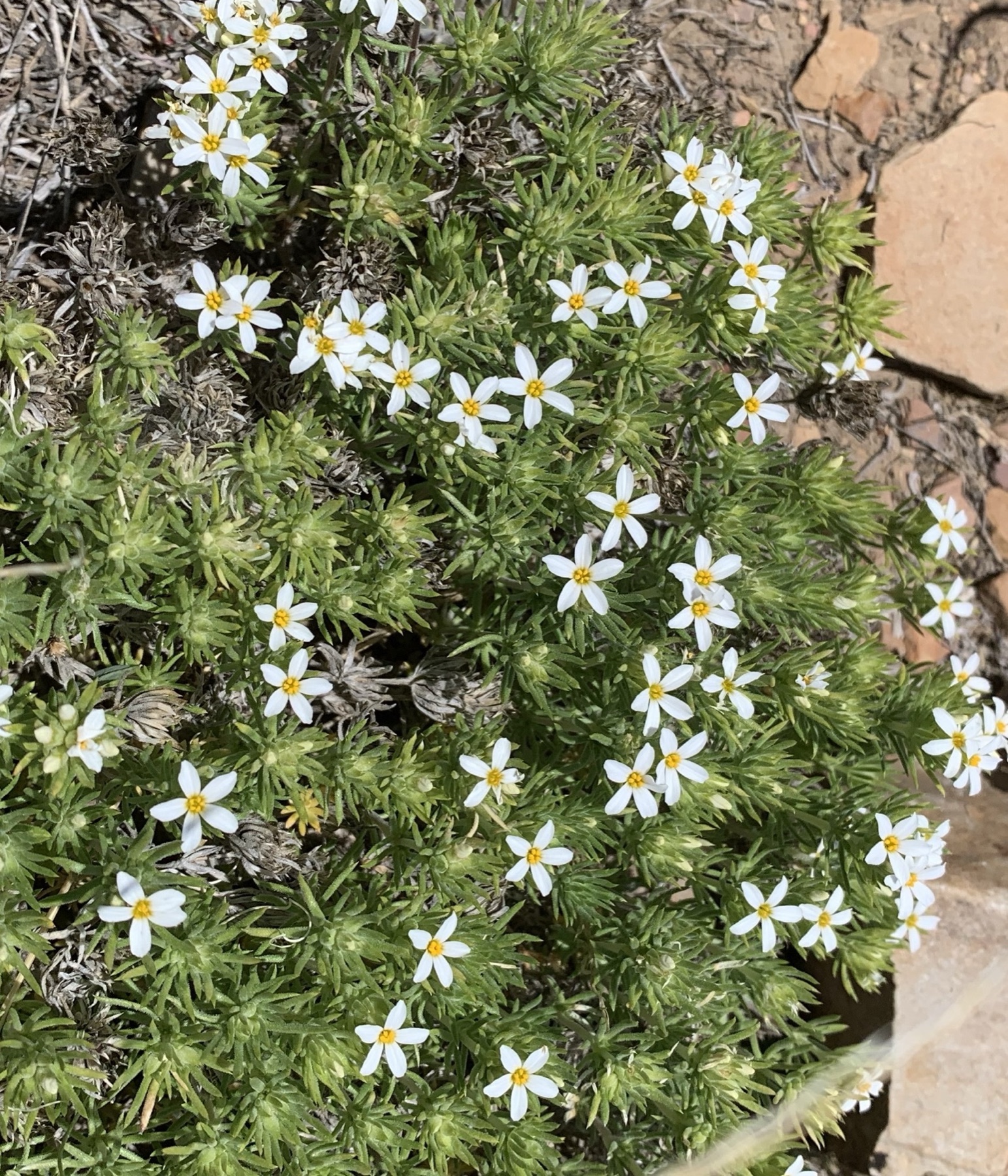
 🌿 Granite Prickly Phlox Linanthus pungens both can make purple-toned patches in open country, but phacelia has hairy curled flower clusters rather than pinwheel phlox flowers.