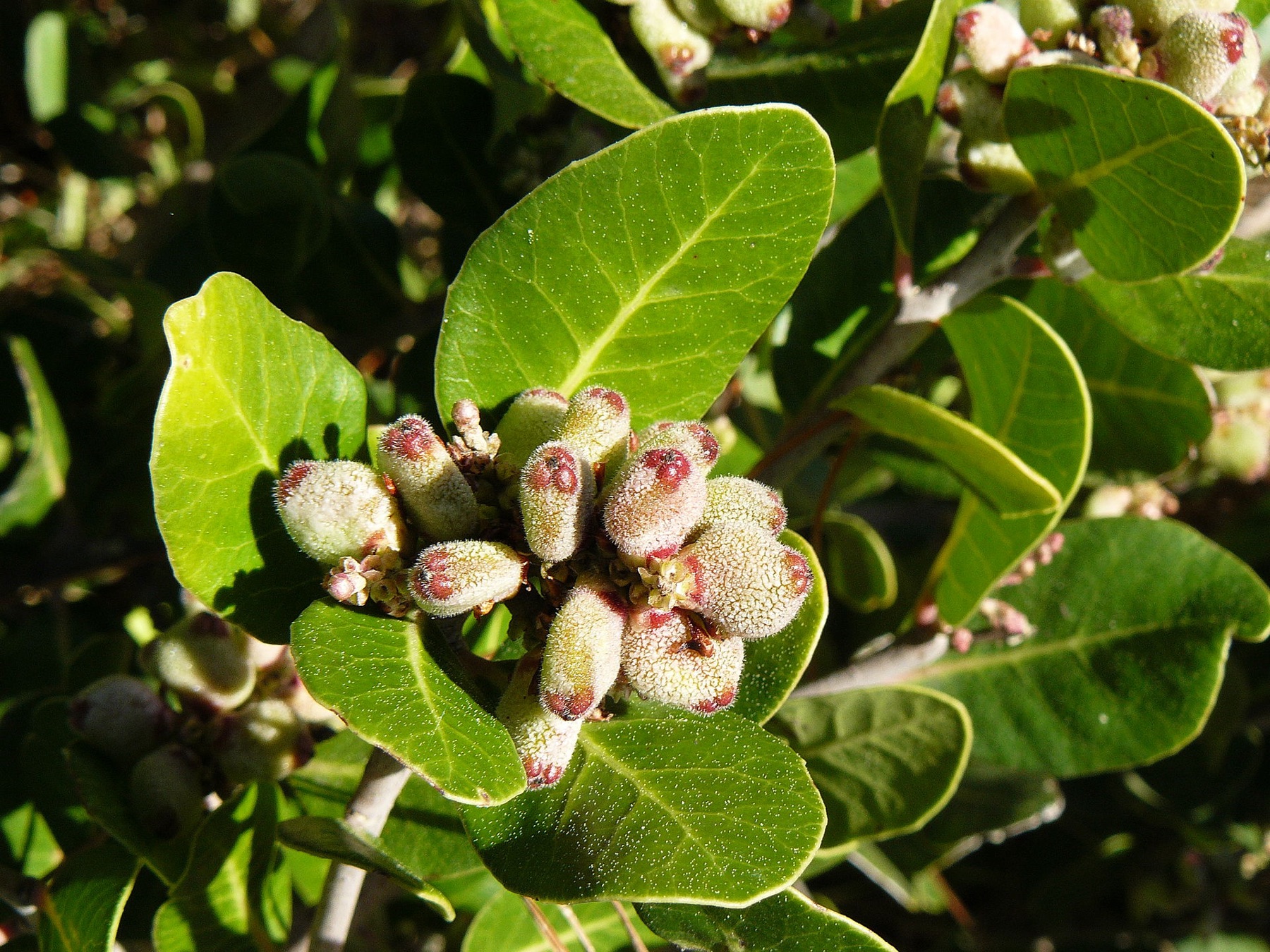
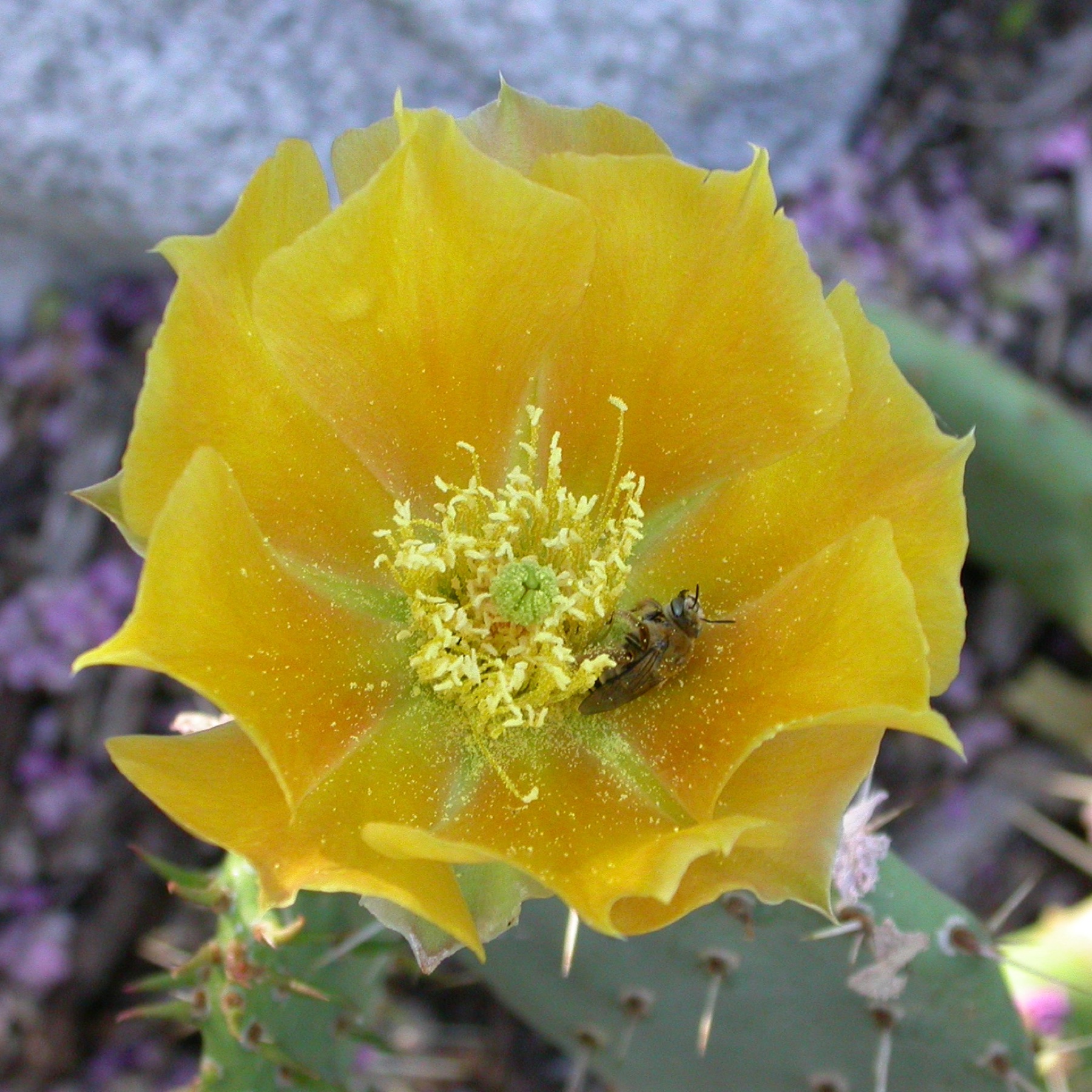
Beach Suncup
Camissoniopsis cheiranthifolia · Onagraceae
- Form
- Perennial herb
- Height
- 2-12 in
- Sun
- Full Sun
- Water
- Low
- Blooms
- Feb, Mar, Apr, May, Jun
- Pet toxicity
- Unknown
- Habitat
- Coastal
🌿 California native
Quick facts
- Habitat: Coastal dunes, sandy bluffs, and beach margins
- Form / size: Low perennial herb, 2-12 in
- Sun: Full sun · Water: Low
- Blooms: Late winter-spring · Pollinator value: Moderate
Description
A low coastal wildflower with gray-green fuzzy leaves and bright yellow four-petaled flowers. It hugs sandy ground and is one of the classic native plants of Southern California beach and dune edges.
Wildlife & pollinators
Flowers support native bees and other small insects in coastal habitats.
Habitat & range
Coastal dunes, sandy bluffs, beach margins, and stabilized coastal sand from Southern California into Baja California.
In the garden
Best for coastal gardens with sandy soil and excellent drainage. It is not suited to heavy inland clay or frequent irrigation.
Propagation
From seed or cuttings in sandy, fast-draining media.
Where to see it near you
- iNaturalist — observed in Southern California
- Dunes, sandy coastal trails, and bluff edges.
Problems
Foot traffic, weed competition, and soil disturbance are common threats in the wild.
Sources
Commonly confused with
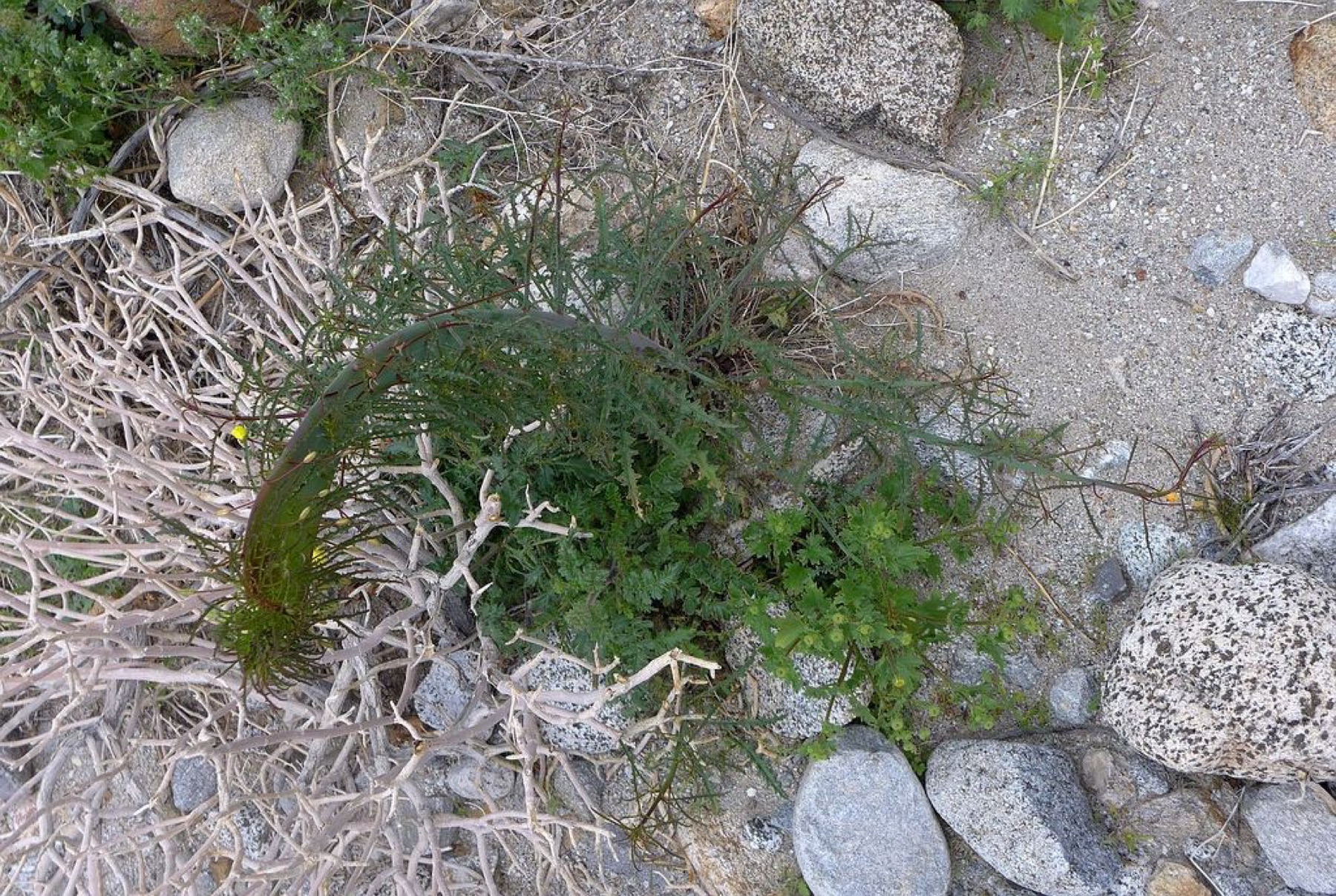 California Primrose 🌿 Eulobus californicus can have similar yellow evening-primrose flowers, but beach suncup is a low coastal sand plant with gray fuzzy leaves.
 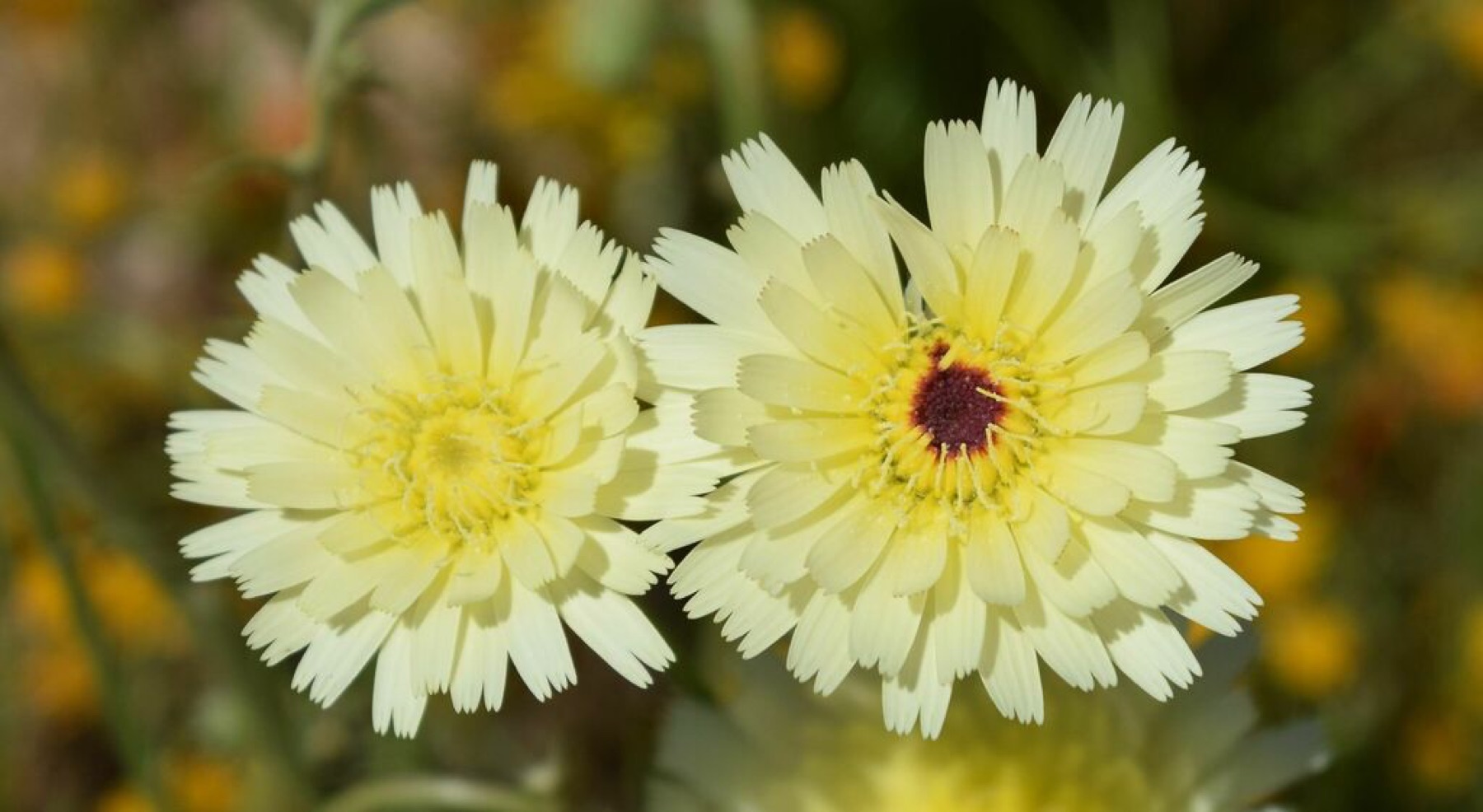 Desert Dandelion 🌿 Malacothrix glabrata desert dandelion has dandelion-like heads; beach suncup has four-petaled evening-primrose flowers.