Marsh Jaumea
Jaumea carnosa · Asteraceae
- Form
- Succulent
- Height
- 2-8 in
- Sun
- Full Sun
- Water
- High
- Blooms
- Jun, Jul, Aug, Sep, Oct
- Pet toxicity
- Unknown
- Habitat
- Wetland · Coastal
🌿 California native
Quick facts
- Habitat: Wetland, salt marsh, tidal flats
- Form / size: Low succulent herb, 2-8 in
- Sun: Full sun · Water: High, saline or brackish
- Blooms: Summer-fall · Pollinator value: Moderate
Description
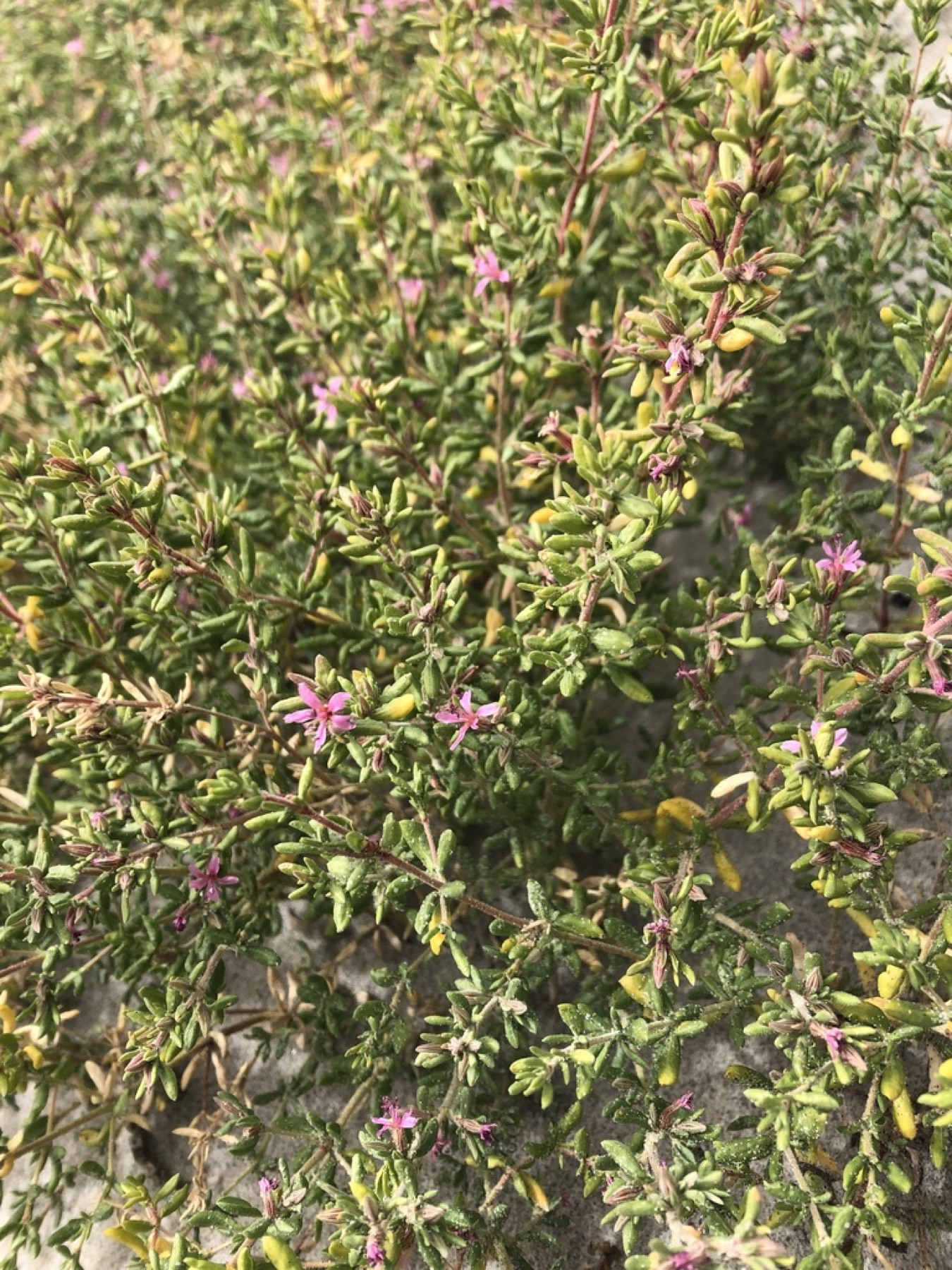
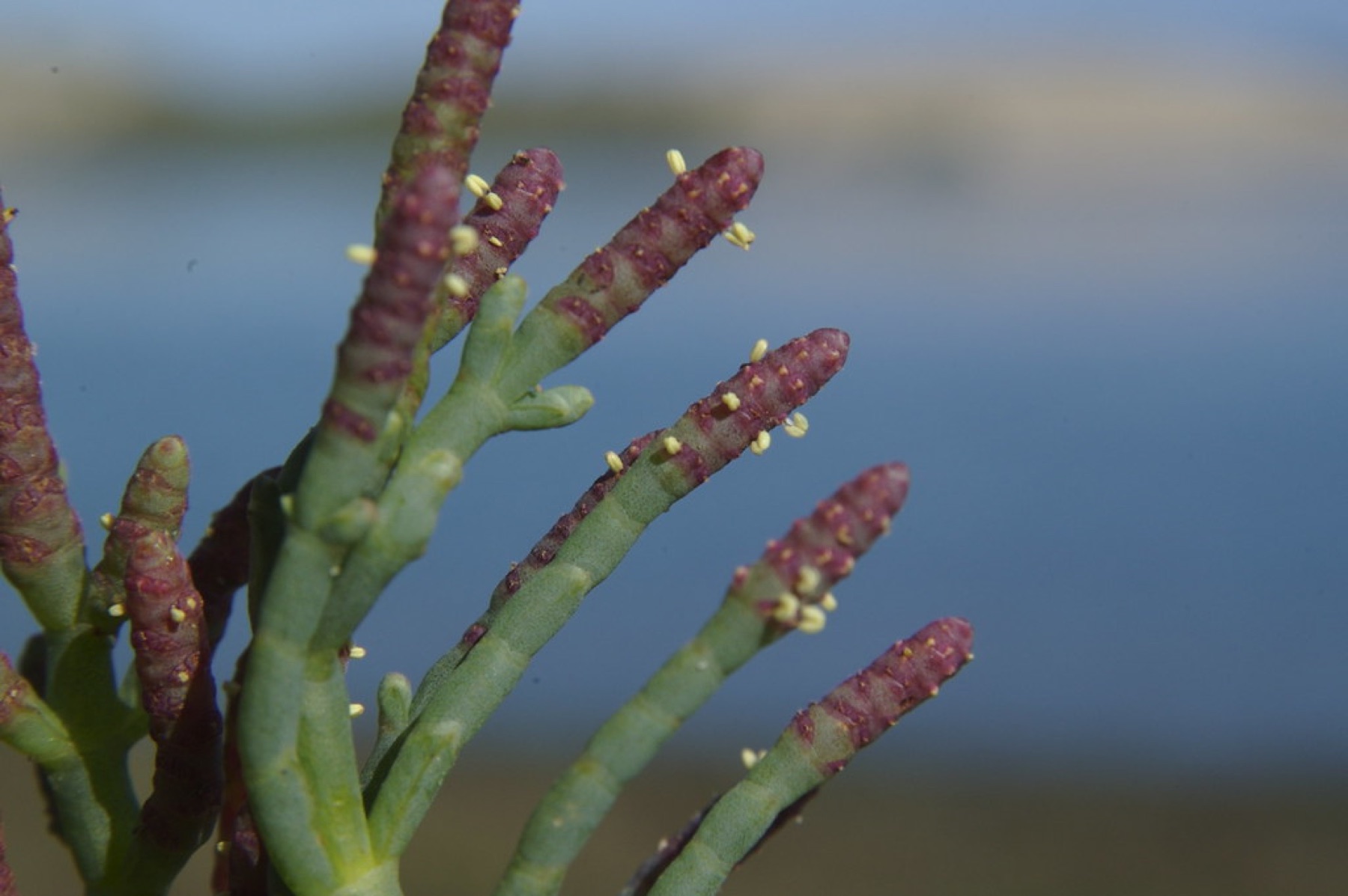
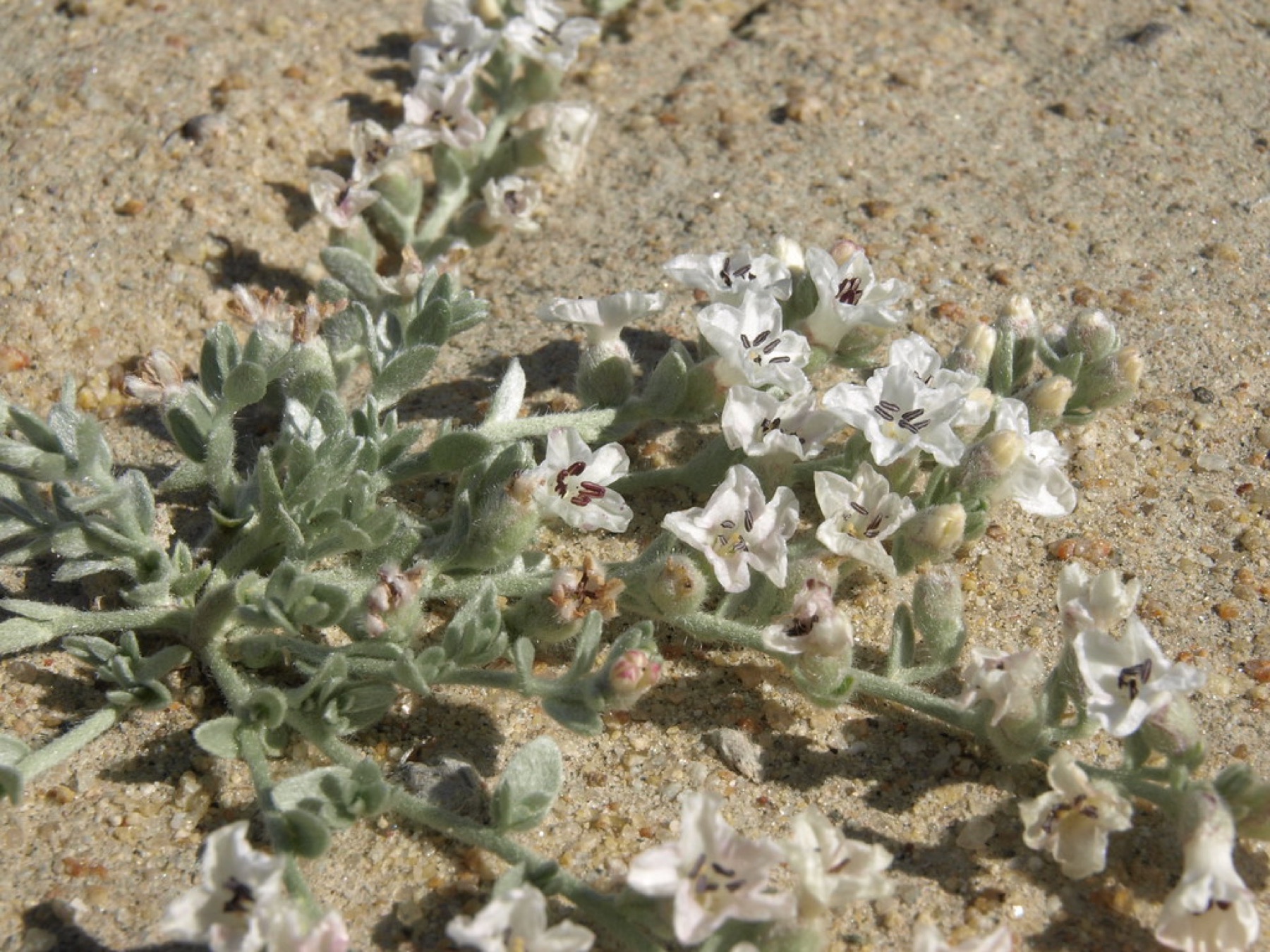
A low, fleshy salt-marsh plant with opposite succulent leaves and small yellow daisy-like flower heads. It creeps through open marsh flats and often grows with pickleweed and alkali heath.
Wildlife & pollinators
Small yellow flowers attract native bees and flies, while the low mats add texture and cover in open marsh habitat.
Habitat & range
Coastal salt marshes, tidal flats, brackish marsh edges, and salty wet ground along the California coast.
In the garden
Highly specialized. Best for salt-marsh restoration or educational plantings with true saline wetland soil.
Propagation
From cuttings, divisions, or seed in moist saline soil. Use local material and avoid collecting from wild marshes.
Where to see it near you
- iNaturalist — observed in Southern California
- Salt marsh flats and estuary edges.
Problems
Needs real marsh conditions. It will not behave like a normal garden groundcover.