Big Saltbush
Atriplex lentiformis · Amaranthaceae
- Form
- Shrub
- Height
- 3-10 ft
- Sun
- Full Sun
- Water
- Low Moderate
- Blooms
- May, Jun, Jul, Aug, Sep
🌿 California native
Quick facts
- Habitat: Wetland edges, salt marsh margins, alkali flats
- Form / size: Large gray shrub, 3-10 ft
- Sun: Full sun · Water: Low to moderate once established
- Blooms: Summer · Pollinator value: Moderate
Description
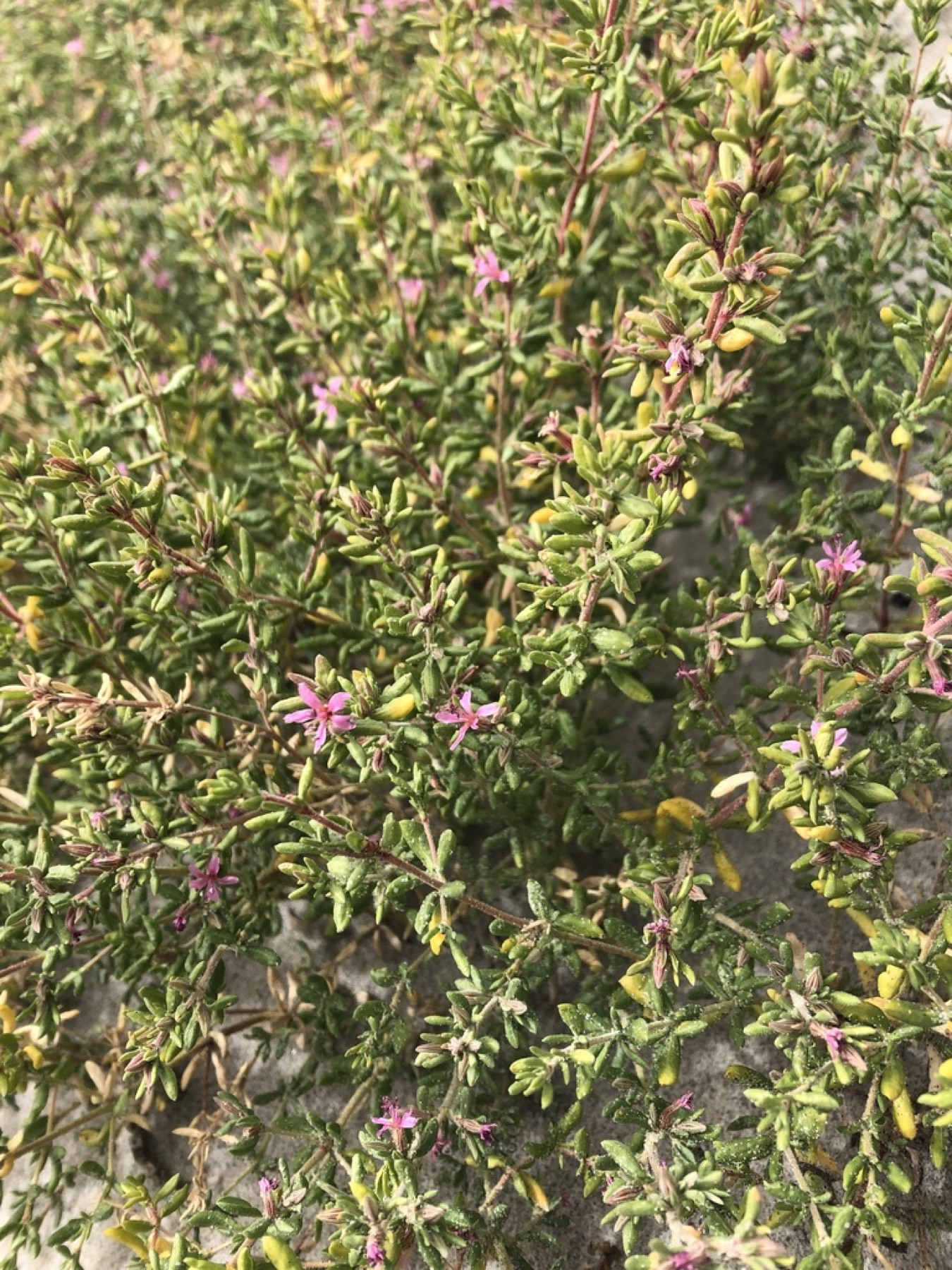
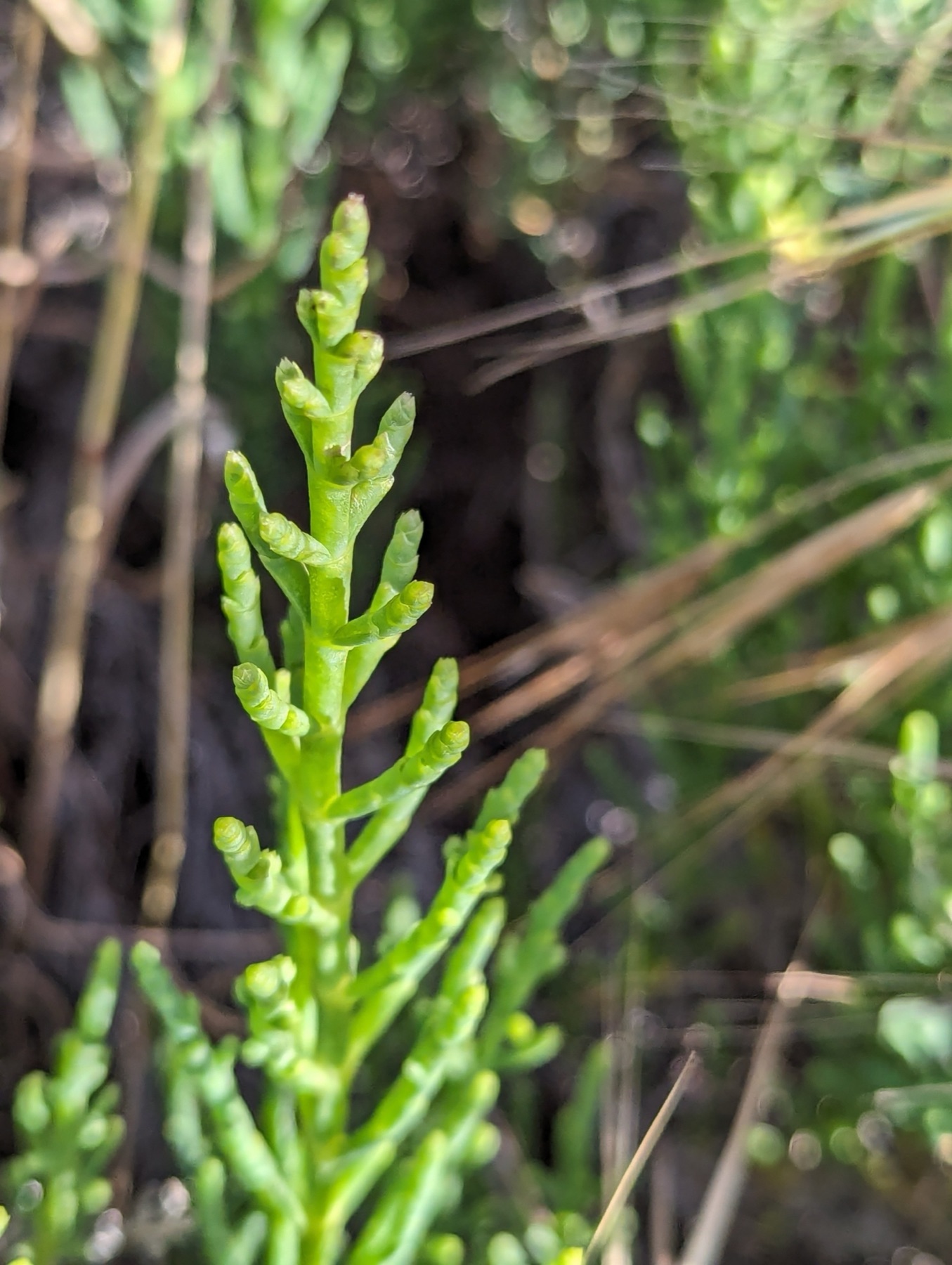
A tough, gray-green saltbush with scurfy leaves and a broad, rangy shape. It often forms thickets on the higher edges of marshes and alkali flats, where the ground is salty but not always flooded.
Wildlife & pollinators
Excellent cover for birds, especially quail, and useful browse/seed habitat for wildlife. The flowers are subtle but still used by small insects.
Habitat & range
Salt marsh edges, washes, desert flats, alkali sinks, coastal wetland margins, and disturbed saline ground throughout Southern California and the deserts.
In the garden
Useful in large dry gardens, restoration sites, hedgerows, and habitat plantings. Give it space and drainage; it can look wild if forced into a tight ornamental role.
Propagation
From seed or semi-hardwood cuttings. Seedlings tolerate difficult soil once established but resent overwatering in heavy soil.
Where to see it near you
- iNaturalist — observed in Southern California
- Upper marsh edges, Bolsa Chica, Ballona, San Diego County lagoons, and alkaline inland flats.
Problems
Mostly size and placement. It can become woody and open if over-shaded or crowded.
Sources
Commonly confused with
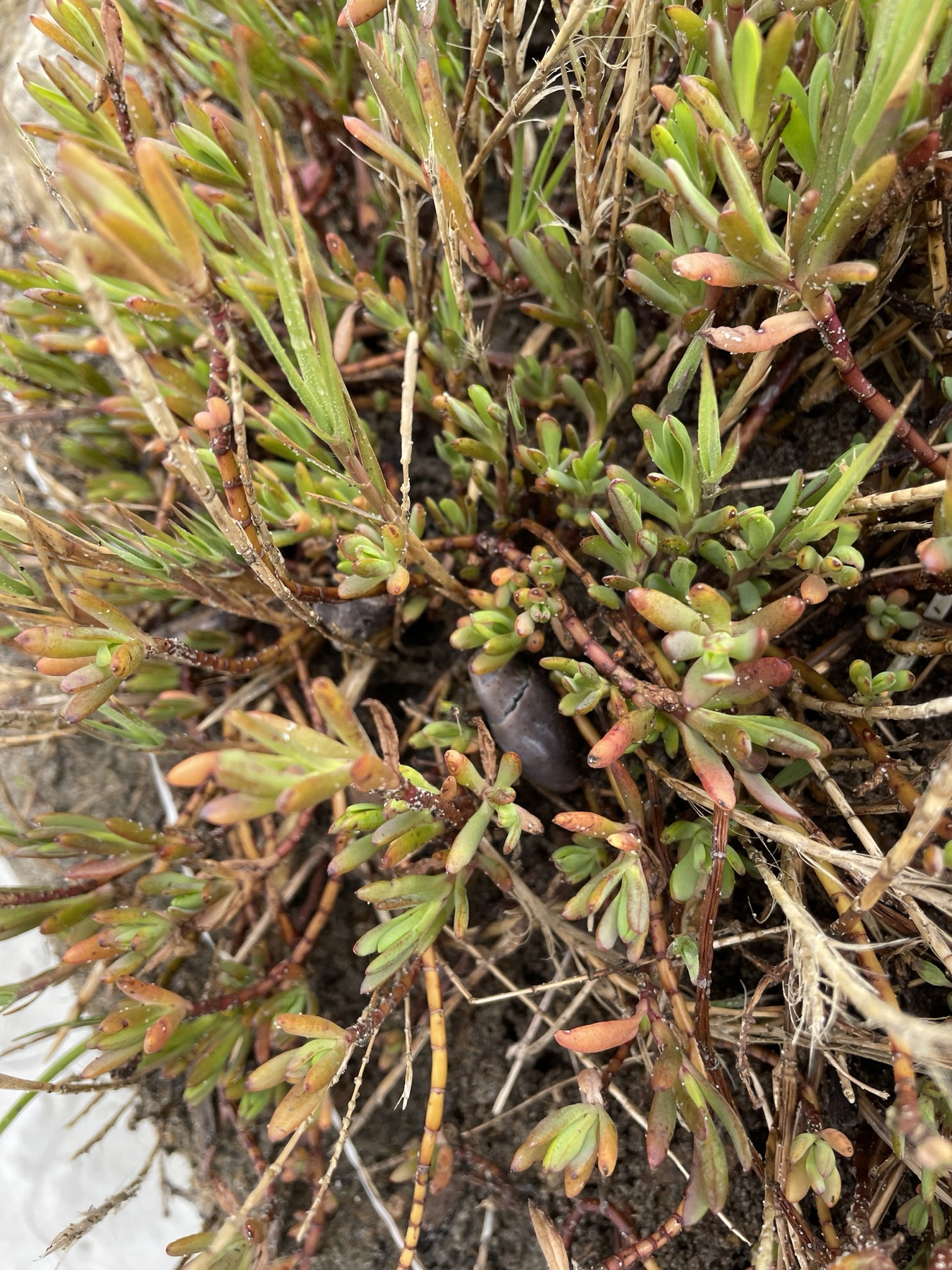
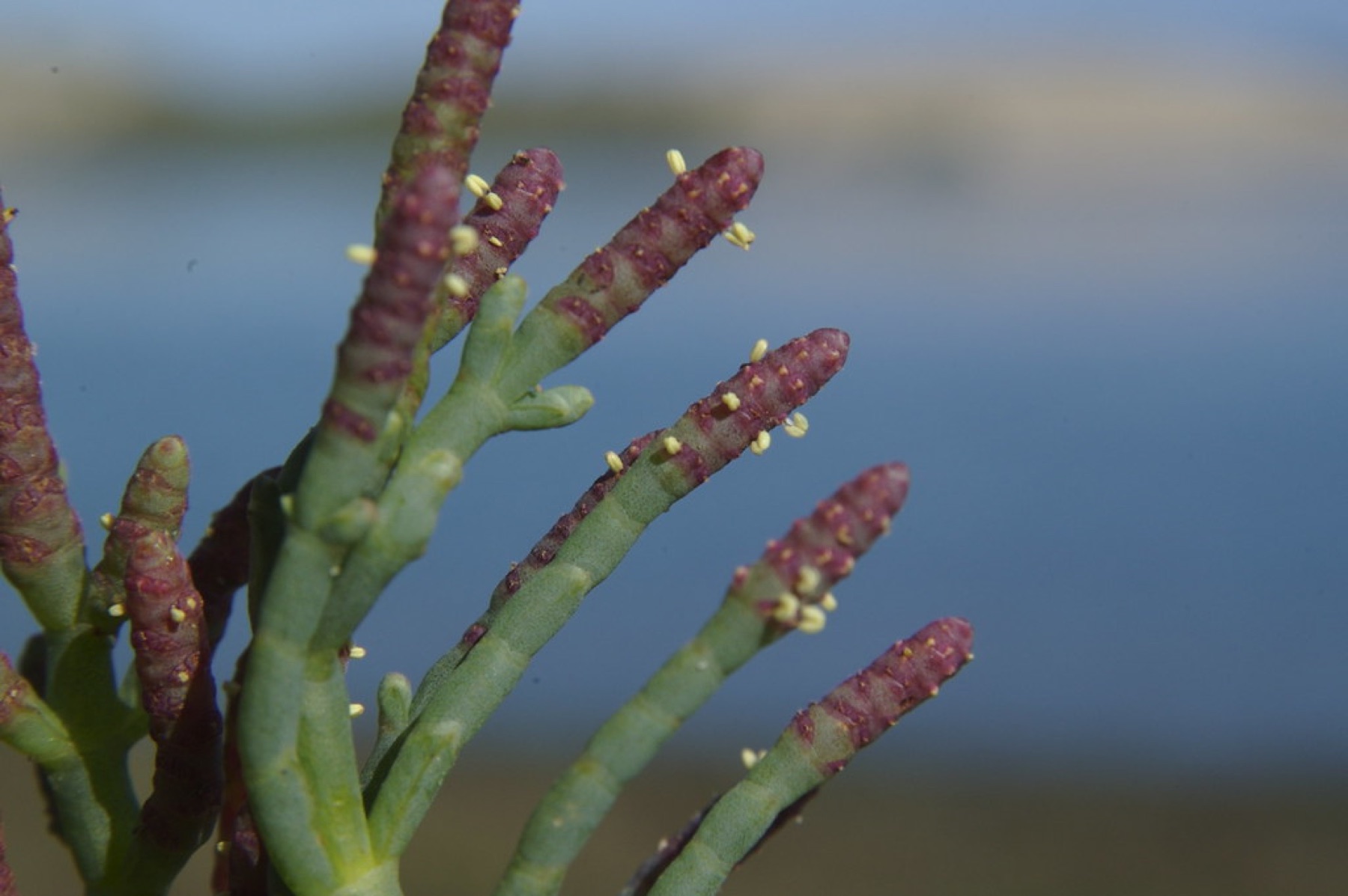 Pickleweed 🌿 Salicornia pacifica low, jointed, succulent marsh plant; big saltbush is a woody shrub.