Spiny Rush
Juncus acutus · Juncaceae
- Form
- Rush
- Height
- 2-5 ft
- Sun
- Full Sun
- Water
- High
- Blooms
- May, Jun, Jul, Aug
- Pet toxicity
- Unknown
- Habitat
- Wetland · Coastal
🌿 California native
Quick facts
- Habitat: Wetland, brackish marsh, salt marsh edges
- Form / size: Dense rush clump, 2-5 ft
- Sun: Full sun · Water: High, often brackish
- Blooms: Late spring-summer · Pollinator value: Low
Description
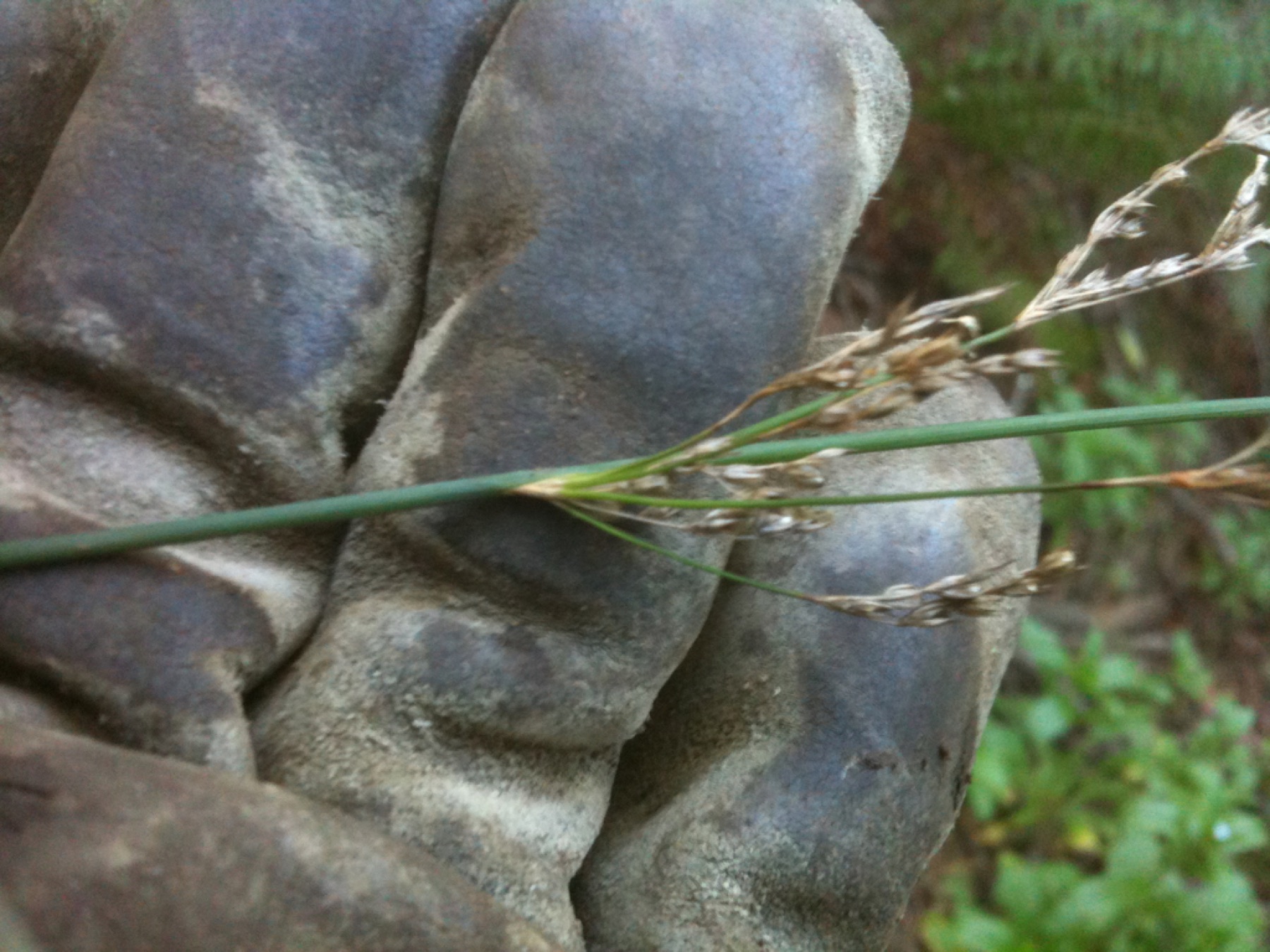
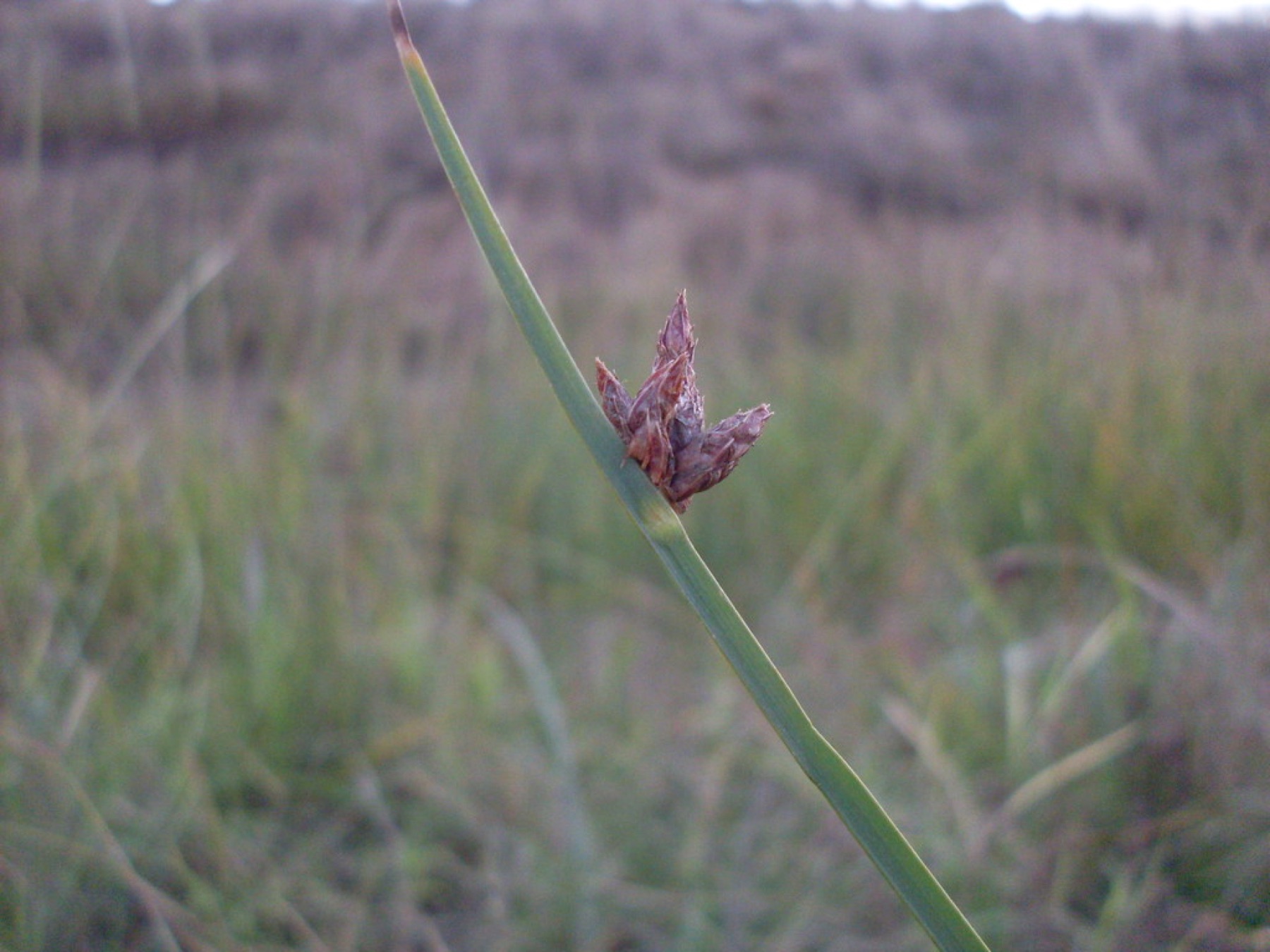
A stiff, architectural rush with dense round clumps and hard, sharply pointed leaf tips. The flower clusters sit off to the side near the upper stems, while the stem continues as a pointed bract.
Wildlife & pollinators
Provides dense cover and structure for wetland birds, insects, and small animals. Its value is more habitat architecture than nectar.
Habitat & range
Coastal brackish marshes, salt marsh margins, seeps, and wet alkaline ground. In Southern California, it is most noticeable where wetland edges stay open and sunny.
In the garden
Specialized. Use only where a tough, sharp, wetland clump makes sense and where people will not brush against it. Better suited to restoration and interpretive plantings than small paths.
Propagation
By division or seed. Divisions establish best into consistently moist soil; use local, properly sourced material for restoration.
Where to see it near you
- iNaturalist — observed in Southern California
- Coastal marsh edges and brackish wetland margins.
Problems
The sharp tips are the main practical issue. Site it away from narrow paths.