Bush Sunflower
Encelia californica · Asteraceae
- Form
- Subshrub
- Height
- 2–4 ft
- Sun
- Full Sun
- Water
- Very Low
- Blooms
- Feb, Mar, Apr, May, Jun
- Habitat
- Coastal Sage Scrub
🌿 California native
Quick facts
- Habitat: Coastal Sage Scrub, coastal bluffs
- Form / size: Mounding subshrub, 2–4 ft
- Sun: Full sun · Water (established): Very low
- Blooms: Late winter–early summer (long season) · Pollinator value: High
Description
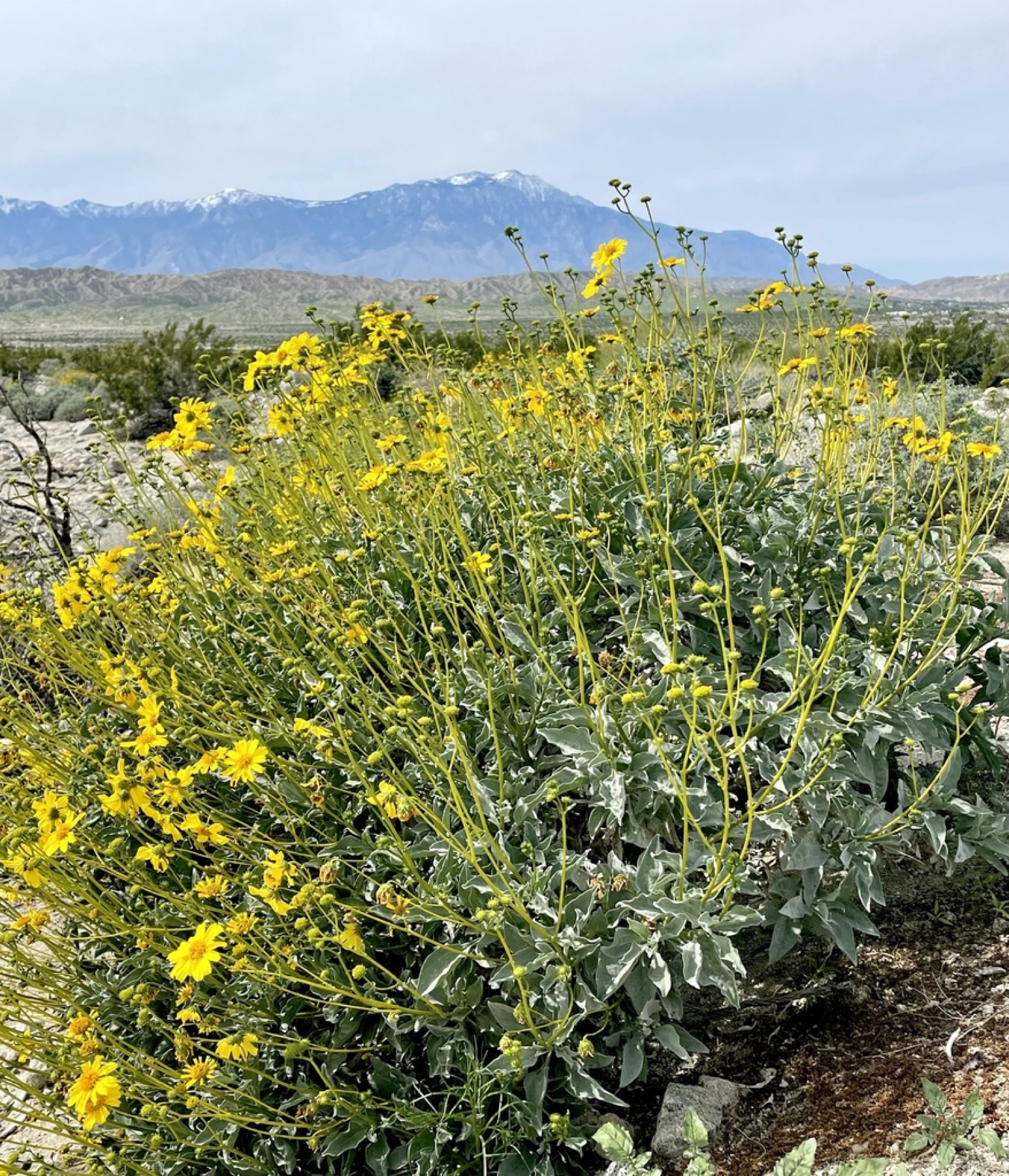
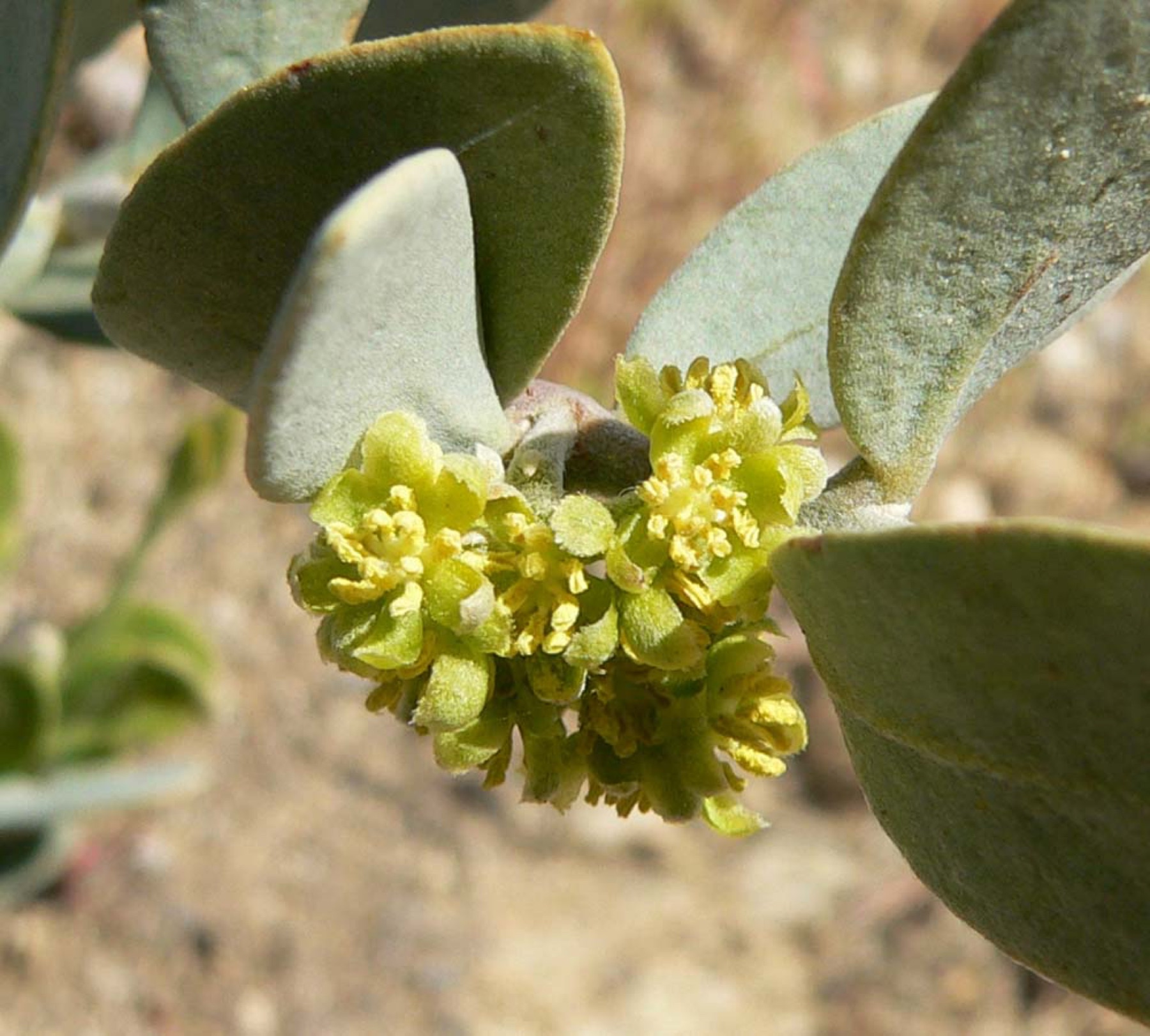
The coastal cousin of Brittlebush — a rounded subshrub with green (not silvery) leaves and a long show of yellow daisy flowers, each with a darker central disk, held on slender stalks. One of the longest-blooming and most cheerful coastal natives.
Ecological role
Blooming from late winter through early summer, Bush Sunflower provides a long season of nectar and pollen for native bees and butterflies. Its extended bloom period, documented in both Calscape and iNaturalist observations, offers consistent forage throughout the transitional months when many other coastal sage scrub species are just beginning to flower. Birds harvest the maturing seeds in late spring and early summer, extending the plant’s value as a food source through the warm season.
Habitat & range
Coastal bluffs and Coastal Sage Scrub of cismontane Southern California, often right near the ocean.
In the garden
Fast, floriferous, and easy — a top choice for quick color and pollinator value in a dry coastal garden. Full sun, very low water; cut back after bloom to refresh.
Propagation
Easy from seed (reseeds readily) and from cuttings.
Where to see it near you
- iNaturalist — observed in Orange County
- Coastal bluffs and scrub throughout OC.
Problems
Short-lived but self-sows; avoid summer water and rich soil.