Chamise
Adenostoma fasciculatum · Rosaceae
- Form
- Shrub
- Height
- 2–12 ft
- Sun
- Full Sun
- Water
- Very Low
- Blooms
- May, Jun, Jul
- Habitat
- Chaparral
🌿 California native
Quick facts · Habitat: Chaparral (often forms pure stands) · Form / size: Evergreen shrub, 2–12 ft · Sun: Full sun · Water (established): Very low · Blooms: Late spring–summer · Pollinator value: Moderate
Description
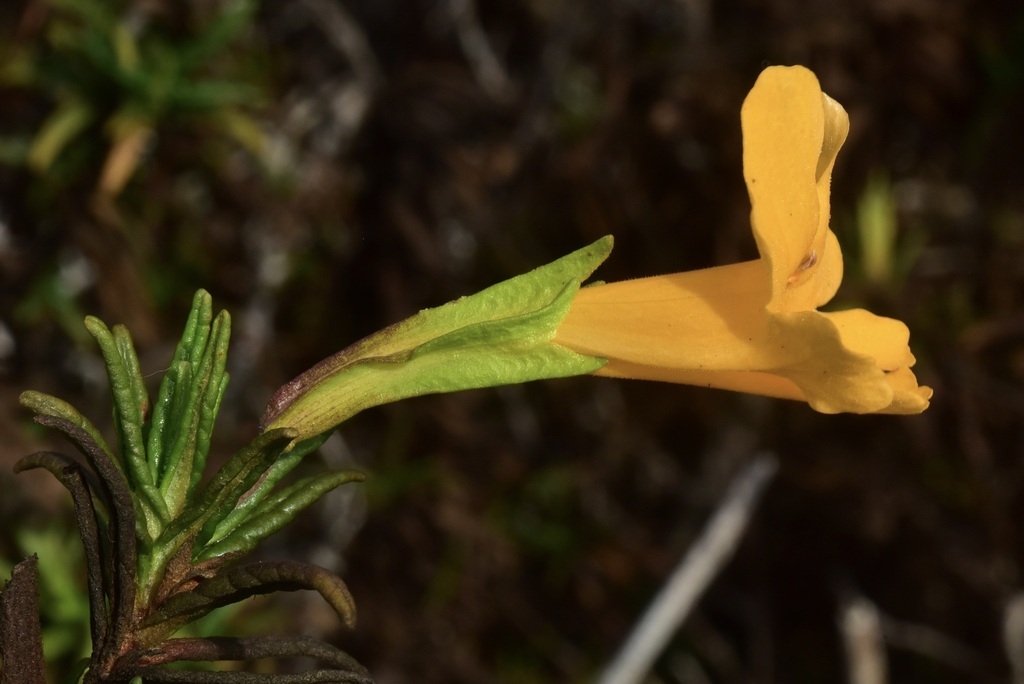
The most abundant shrub in California chaparral — so common that “chamise chaparral” is its own named community. Recognizable by tiny needle-like leaves bundled in clusters (fascicles, hence fasciculatum) along wiry stems, giving it a fine, almost coniferous texture. In late spring it’s topped with frothy sprays of small creamy-white flowers that fade to rusty brown and persist for months. The old common name “greasewood” comes from its resinous, highly flammable foliage.
Wildlife & pollinators
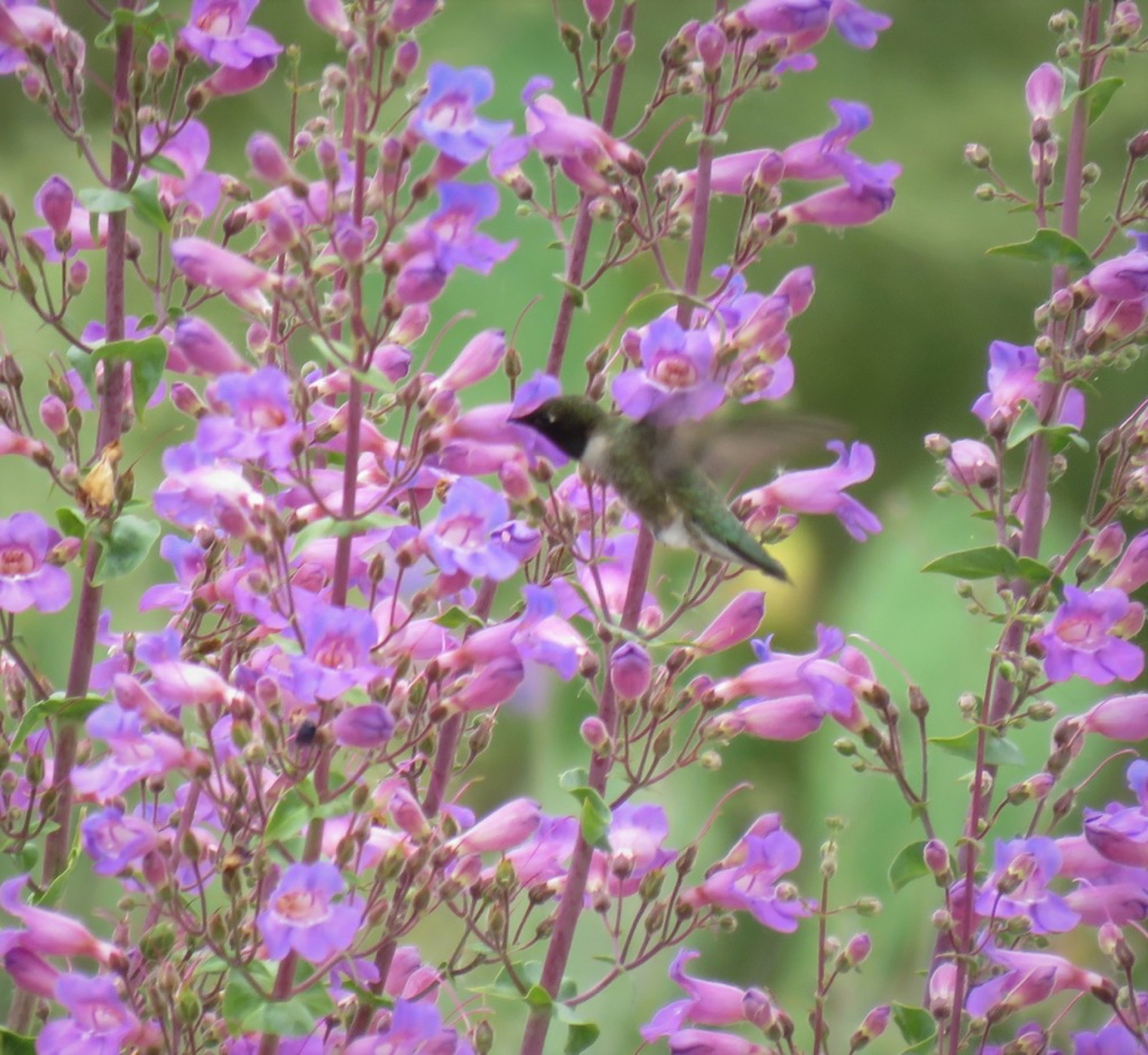
Flowers draw small native bees, beetles, and flies; the dense structure offers cover and nesting for birds and small wildlife. A keystone of the fire-adapted chaparral system — it resprouts vigorously from a basal burl and from fire-cued seed.
Habitat & range
Blankets hot, dry slopes throughout cismontane California, including the Santa Ana Mountains. Thrives on the poorest, driest sites where little else competes.
In the garden
Bombproof and water-thrifty, though more often valued ecologically than ornamentally. Excellent for erosion control and habitat on dry banks. Full sun, sharp drainage, no summer water.
Propagation
In the wild it resprouts from a basal burl and from fire-cued seed — germination jumps after heat or smoke exposure (a classic chaparral fire-follower). For restoration, seed is collected and heat/smoke-treated; cuttings are difficult. See Propagation Basics.
Where to see it near you
- iNaturalist — observed in Orange County
- Practically any chaparral slope in the Santa Ana Mountains.
Problems
Essentially trouble-free. Its main “issue” is flammability — site it away from structures.