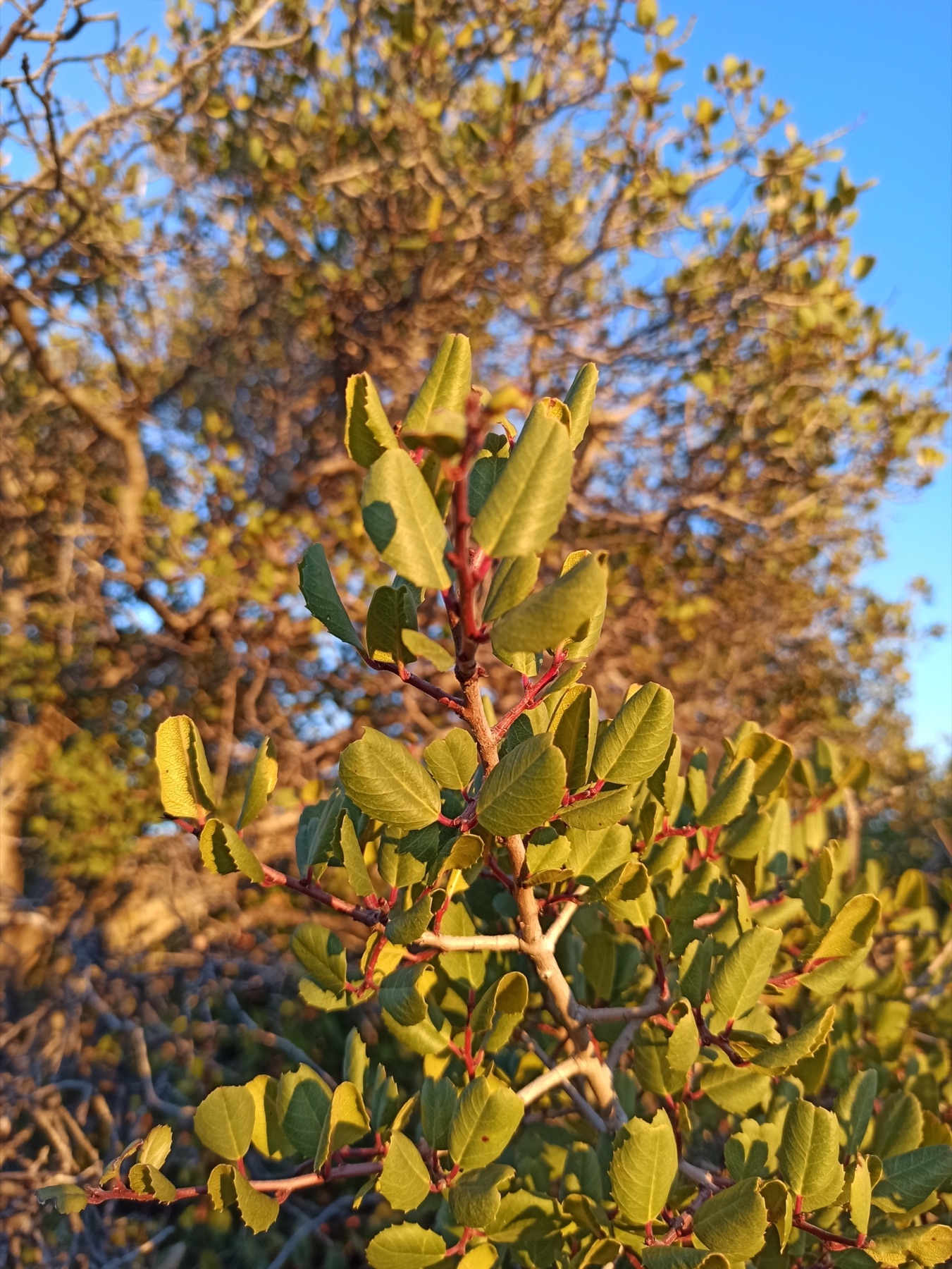
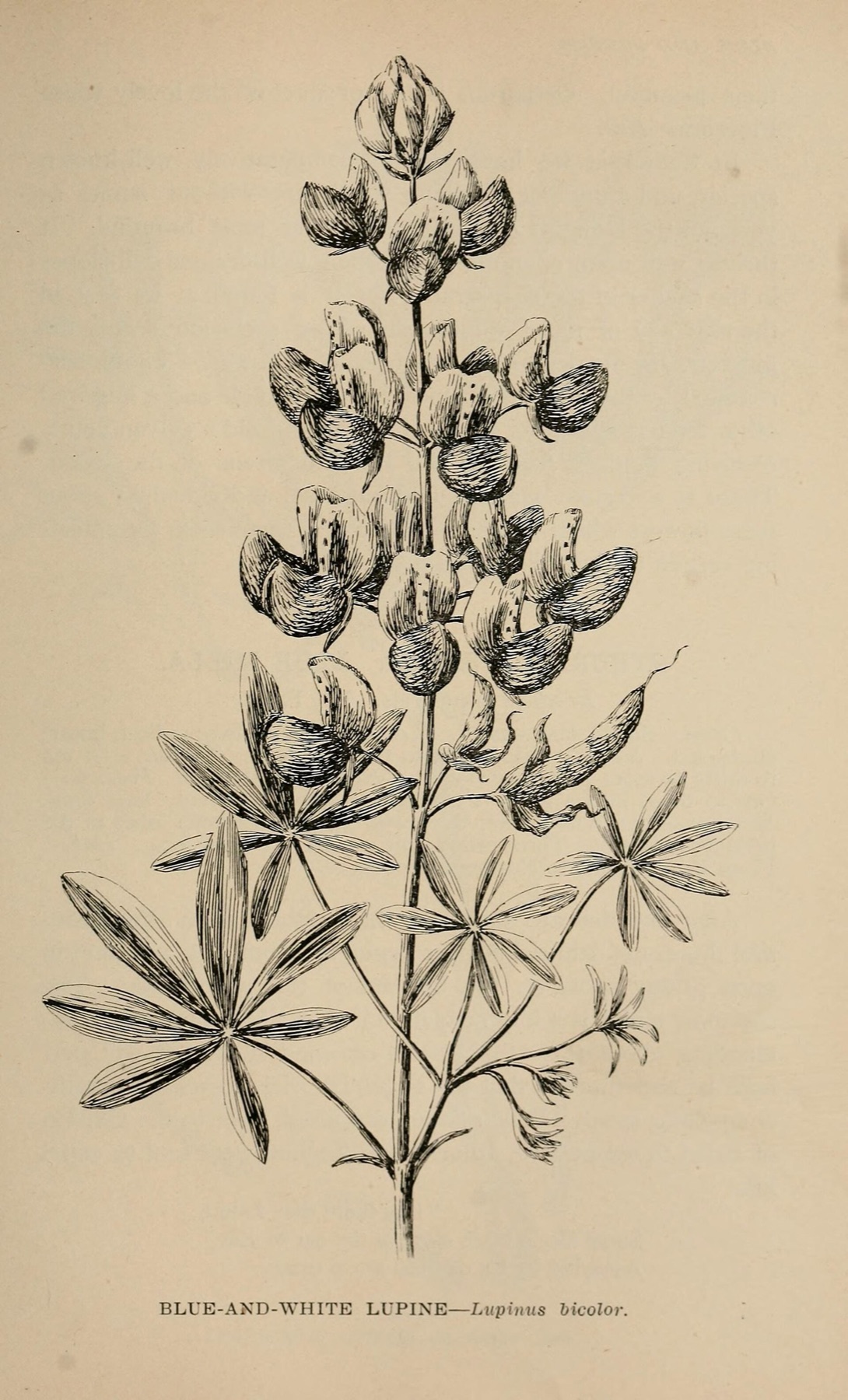
White Sage
Salvia apiana · Lamiaceae
- Form
- Shrub
- Height
- 3–5 ft (flower stalks to 8 ft)
- Sun
- Full Sun
- Water
- Very Low
- Blooms
- May, Jun, Jul
- Habitat
- Coastal Sage Scrub · Chaparral
🌿 California native
Quick facts
- Habitat: Coastal Sage Scrub, Chaparral
- Form / size: Silvery shrub, 3–5 ft; flower wands to 8 ft
- Sun: Full sun · Water (established): Very low
- Blooms: Late spring–summer · Pollinator value: High
Description
Unmistakable for its silvery-white, intensely aromatic leaves that almost glow against darker scrub. Tall, arching flower stalks carry small white (faintly lavender-flecked) flowers loved by large bees. A keystone aromatic of the dry scrub.
Wildlife & pollinators
A premier bee plant — carpenter bees and many natives work the flowers; birds take seed.
Habitat & range
Dry slopes and washes of cismontane Southern California, often with Black Sage and California Buckwheat.
In the garden
A striking silvery focal point for hot, dry, sharply drained spots. Full sun, no summer water (it rots easily if overwatered). Give it room and lean soil.
Propagation
From seed (often germinates better with a smoke/heat cue) and semi-hardwood cuttings, though cuttings can be finicky.
Please grow it, don’t wild-harvest it White sage is heavily poached from wild populations for smudge bundles. If you want it, grow your own or buy cultivated stock — wild stands are being damaged across Southern California.
Where to see it near you
Problems
Overwatering / poor drainage → Root Rot. Otherwise tough.
Sources
Commonly confused with
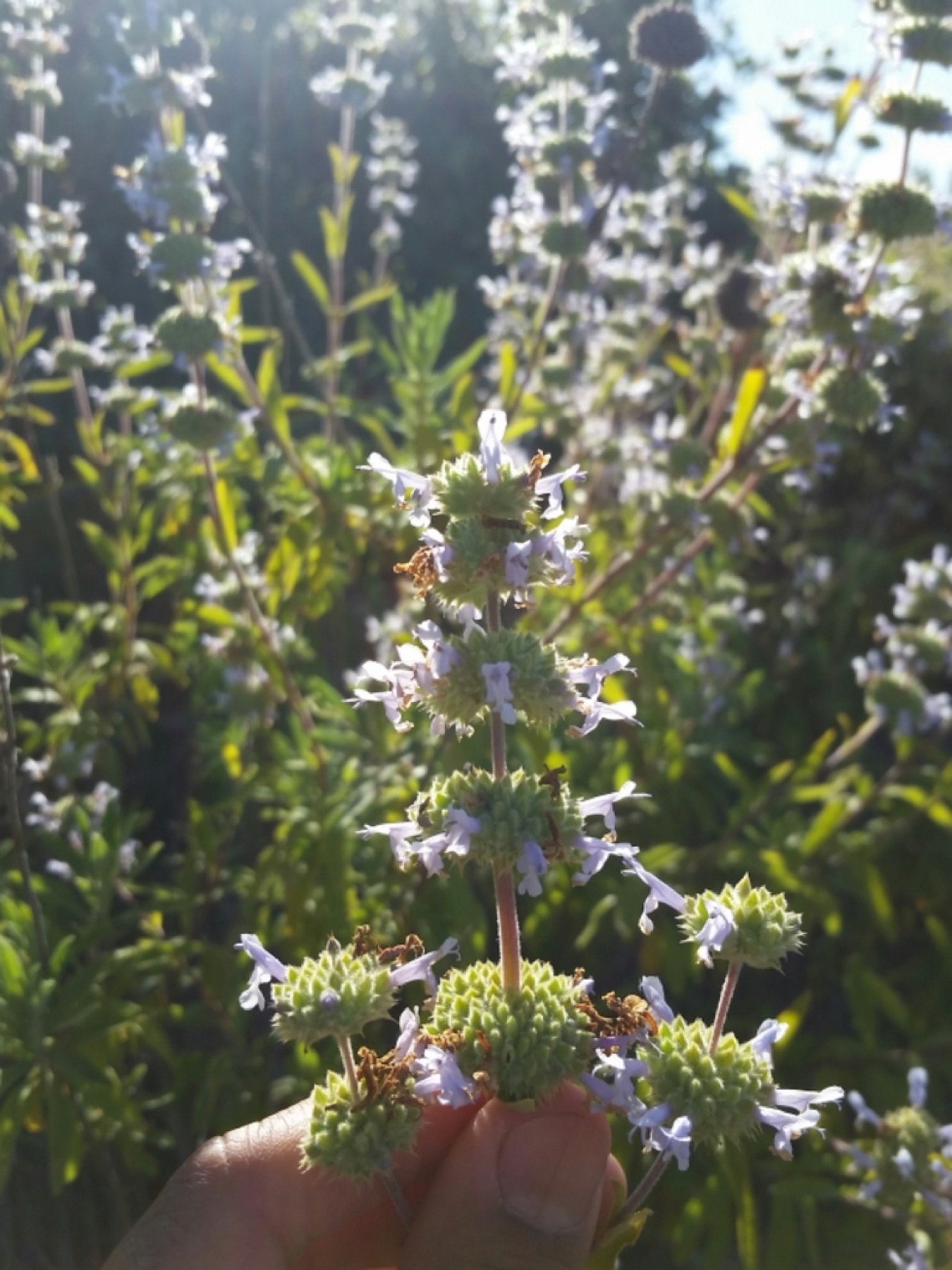 Black Sage 🌿 Salvia mellifera green leaves, paler compact flower whorls; white sage is silvery with tall open wands.