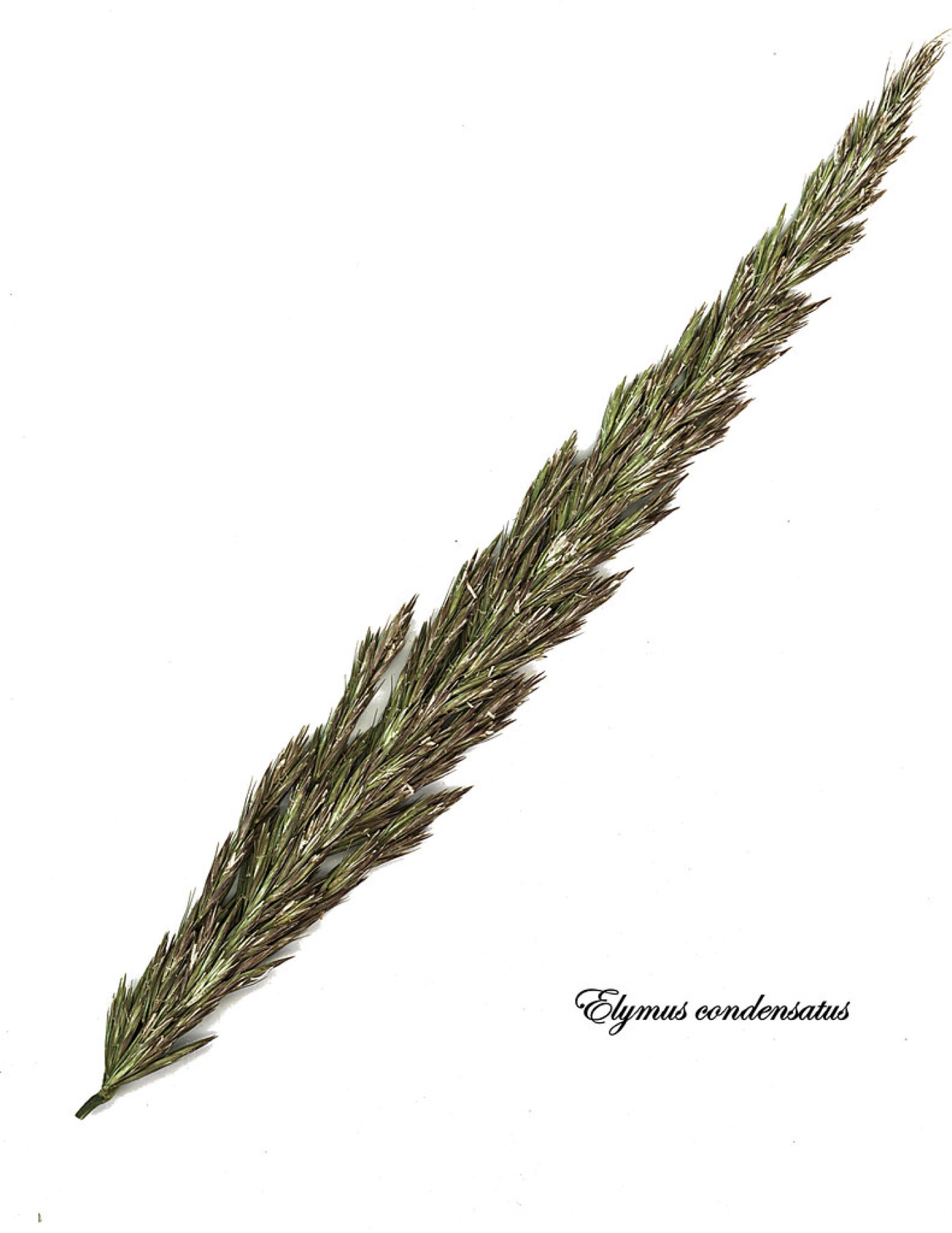
Smilo Grass
Oloptum miliaceum · Poaceae
- Height
- 2-4 ft
🚫 Invasive / non-native weed
At a glance · Tell-tale sign: Airy, open, drooping seed panicles with many tiny shiny seeds; tufted perennial · Form: Bunchgrass, 2–4 ft
How to identify
A perennial bunchgrass forming leafy tussocks, with tall stems carrying a large, open, finely branched panicle that nods and shimmers with many small, shiny seeds. Greens up with the rains and persists on disturbed slopes, road cuts, and riparian edges.
How it got here
Smilo grass comes from southern Europe and North Africa, and the record on how it got to California is unusually well documented for a grass nobody thinks much about. Cal-IPC’s assessment traces the first collection to Los Angeles in 1896, with more populations turning up in Santa Barbara and Monrovia by 1916. By 1940 it was already established in “urban waste areas” across Southern California: vacant lots, rail edges, disturbed ground on the margins of a growing city. Nobody was planting it on purpose in 1896. It rode in the way most 19th-century grasses did, tangled into imported seed lots or nursery soil, and it liked the wreckage humans were leaving behind. People did eventually plant it on purpose too — for erosion control on burned chaparral, and as livestock forage in the tradition of its native range. Cal-IPC’s assessment documents both uses but doesn’t date them, so whether that deliberate planting came before or after the plant was already loose here is a reasonable guess, not a documented fact. Either way, the plant didn’t need our help to get established. We just kept giving it more disturbed ground to work with.
Why it’s a problem
Smilo grass specializes in exactly the ground restoration work creates: cleared slopes, road cuts, burned chaparral, disturbed riparian banks. The plant grows taller than most native grasses, so a stand of it raises the canopy over everything underneath and shades out the native understory that would otherwise be recovering there. It doesn’t blend into a diverse native meadow. It takes over, forming small monospecific stands — patches of nothing but smilo grass — that crowd out the seedlings of the natives a restoration project was trying to establish in the first place. It reproduces two ways at once: by seed, prolifically, and by resprouting from the crown, so cutting it back without digging out the base just resets the clock. On Santa Catalina Island alone, surveyors GPS-tagged nearly 2,850 separate populations covering over 350 acres, spread across riparian corridors, grassland, coastal scrub, chaparral, and oak woodland. Cal-IPC’s own inventory rates the species “Limited” overall — its statewide ecological impact is minor. The mechanism above is the exception: the specific sub-score for how the plant alters community structure where it does take hold is rated moderate, not the overall statewide score. It’s a local problem, concentrated wherever bare ground meets a seed source. It’s not the most destructive invasive in this guide. But it’s patient, it’s already established in most Southern California counties, and every acre of bare ground after a fire or a grading project is an invitation.
How it spreads
By abundant seed; tolerant of poor, disturbed soils.
How to remove it
- Dig out clumps (including the crown) before seed set; easier in moist soil.
- For larger infestations, cut/treat before seeding and revegetate cleared ground promptly.
- Bag seed heads.
Restoration alternative
If the goal is a bunchgrass that does the same structural job without the same damage, three natives already in this guide cover smilo grass’s range. Deergrass is the closest match in form: a dense, fountain-shaped clump that holds slopes and stream edges the same way smilo grass does, minus the spread into monoculture. It’s also a traditional basketry plant. Purple Needlegrass, California’s state grass, tolerates fire well and resprouts from the base afterward. Land managers seed it specifically for post-fire and post-grading restoration work, on exactly the kind of disturbed, cleared ground smilo grass moves into. For the chaparral and riparian-edge sites in smilo grass’s own habitat range, Giant Wild Rye works at a bigger scale: a tall, broad-leaved bunchgrass built for slope stabilization on canyon washes and woodland margins. It’s the same erosion-control niche smilo grass was eventually planted for. All three are low-water, full-sun, and already established as reliable restoration plants in Southern California.
Where it’s spread near you
Sources
Commonly confused with
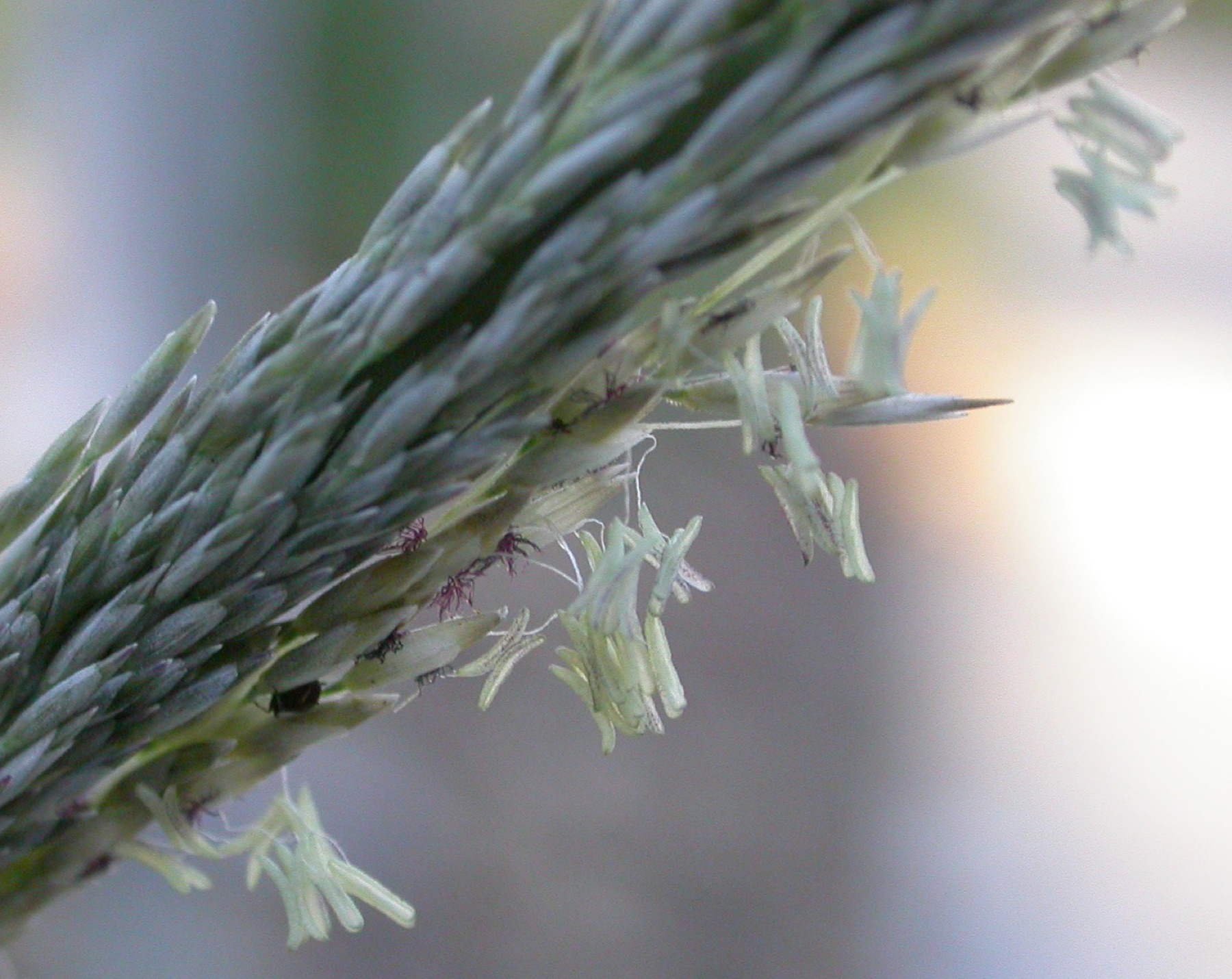 Deergrass 🌿 Muhlenbergia rigens much larger native fountain-like clumps with narrow spike-like flower stems, not an open airy panicle.