Catclaw Acacia
Senegalia greggii · Fabaceae
- Form
- Shrub
- Height
- 3-15 ft
- Sun
- Full Sun
- Water
- Very Low
- Blooms
- Apr, May, Jun
- Pet toxicity
- Unknown
🌿 California native
Quick facts
- Habitat: Desert washes, arroyos, and dry canyon bottoms
- Form / size: Thorny shrub or small tree, 3-15 ft
- Sun: Full sun · Water: Very low once established
- Blooms: Spring-early summer · Pollinator value: High
Description
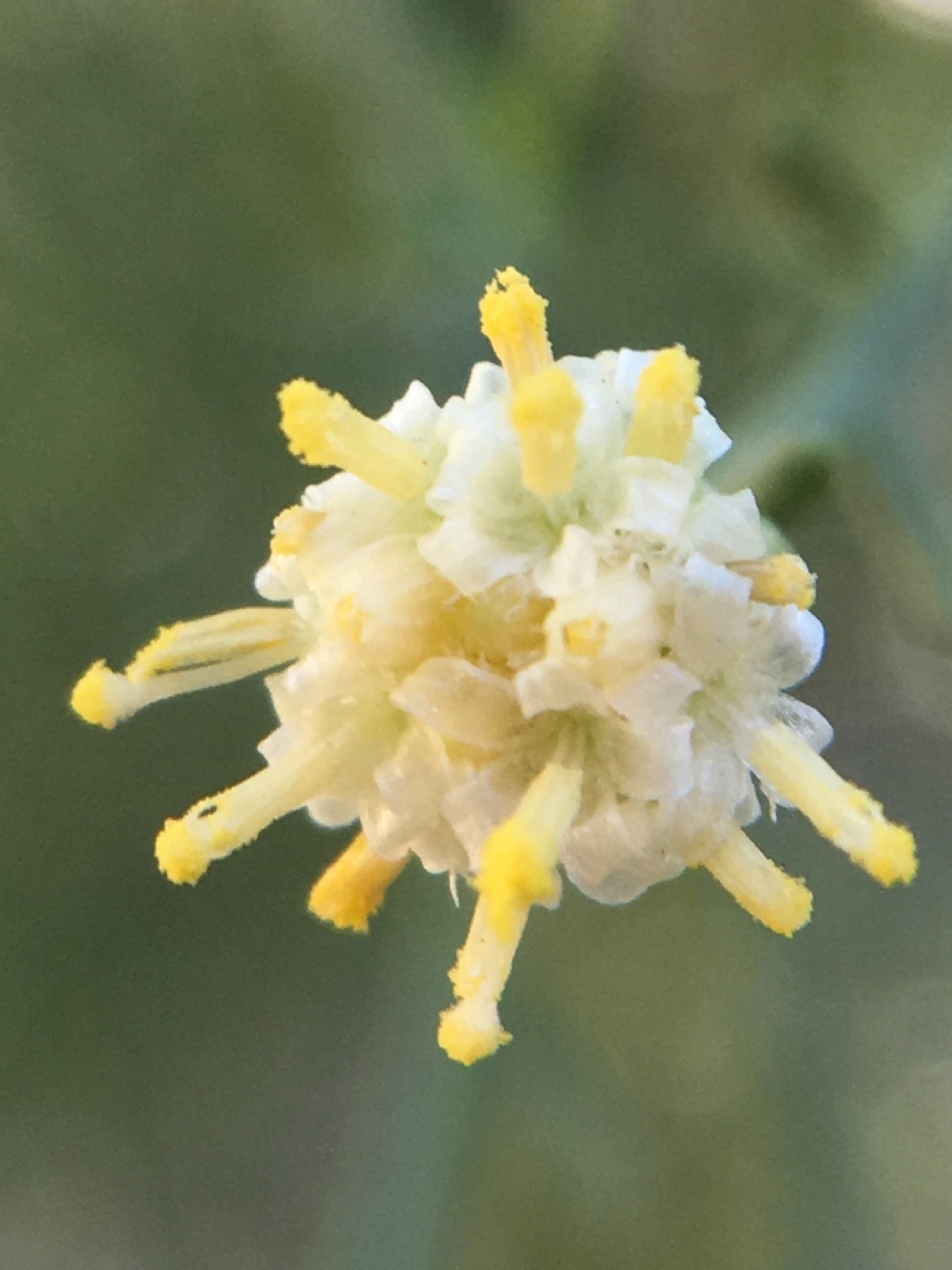
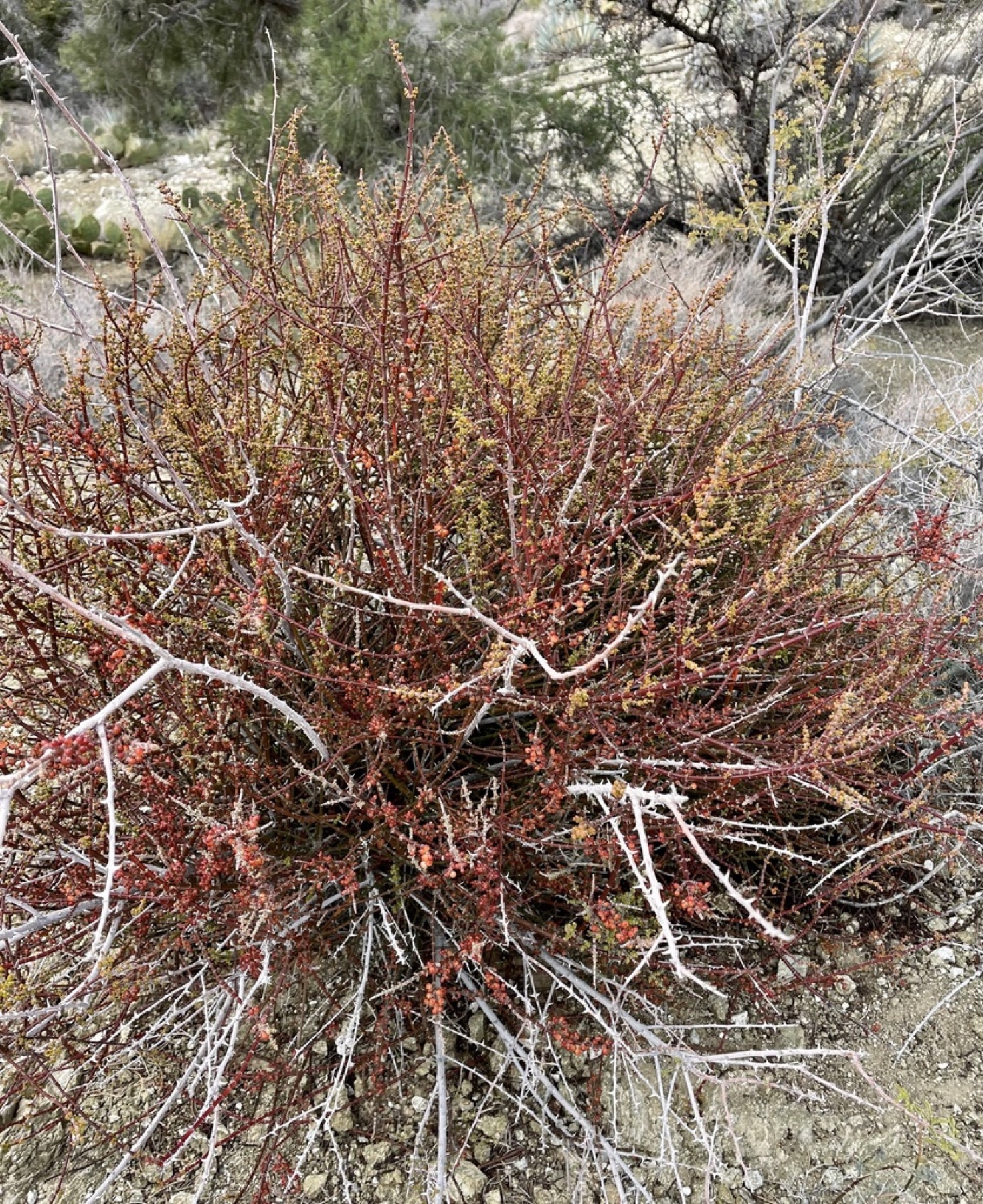
A desert wash shrub with small paired leaflets, cream-colored puffball flowers, and sharp hooked thorns that catch clothing like a cat’s claw. It can form dense, wildlife-rich thickets in washes and canyon bottoms.
Wildlife & pollinators
Flowers feed bees and butterflies; dense thorny branches provide nesting and cover for birds and small mammals.
Habitat & range
Desert washes, sandy arroyos, bajadas, and dry canyon bottoms across the Sonoran and Mojave desert margins of Southern California.
In the garden
Ecologically valuable but physically unfriendly. Use where thorny wildlife cover is desired, away from walkways and work areas.
Propagation
From seed after scarification or hot-water treatment.
Where to see it near you
- iNaturalist — observed in Southern California
- Desert washes and arroyos, especially in warmer low desert areas.
Problems
Thorns are the main management issue. Do not plant near paths, patios, or volunteer work zones.