Cliff Aster
Malacothrix saxatilis · Asteraceae
- Form
- Perennial herb
- Height
- 1-3 ft
- Sun
- Full Sun
- Water
- Low
- Blooms
- Mar, Apr, May, Jun, Jul
- Pet toxicity
- Unknown
- Habitat
- Chaparral · Coastal Sage Scrub
🌿 California native
Quick facts
- Habitat: Chaparral, Coastal Sage Scrub, rocky slopes
- Form / size: Open perennial herb/subshrub, 1-3 ft
- Sun: Full sun · Water: Low once established
- Blooms: Spring-summer · Pollinator value: Moderate
Description
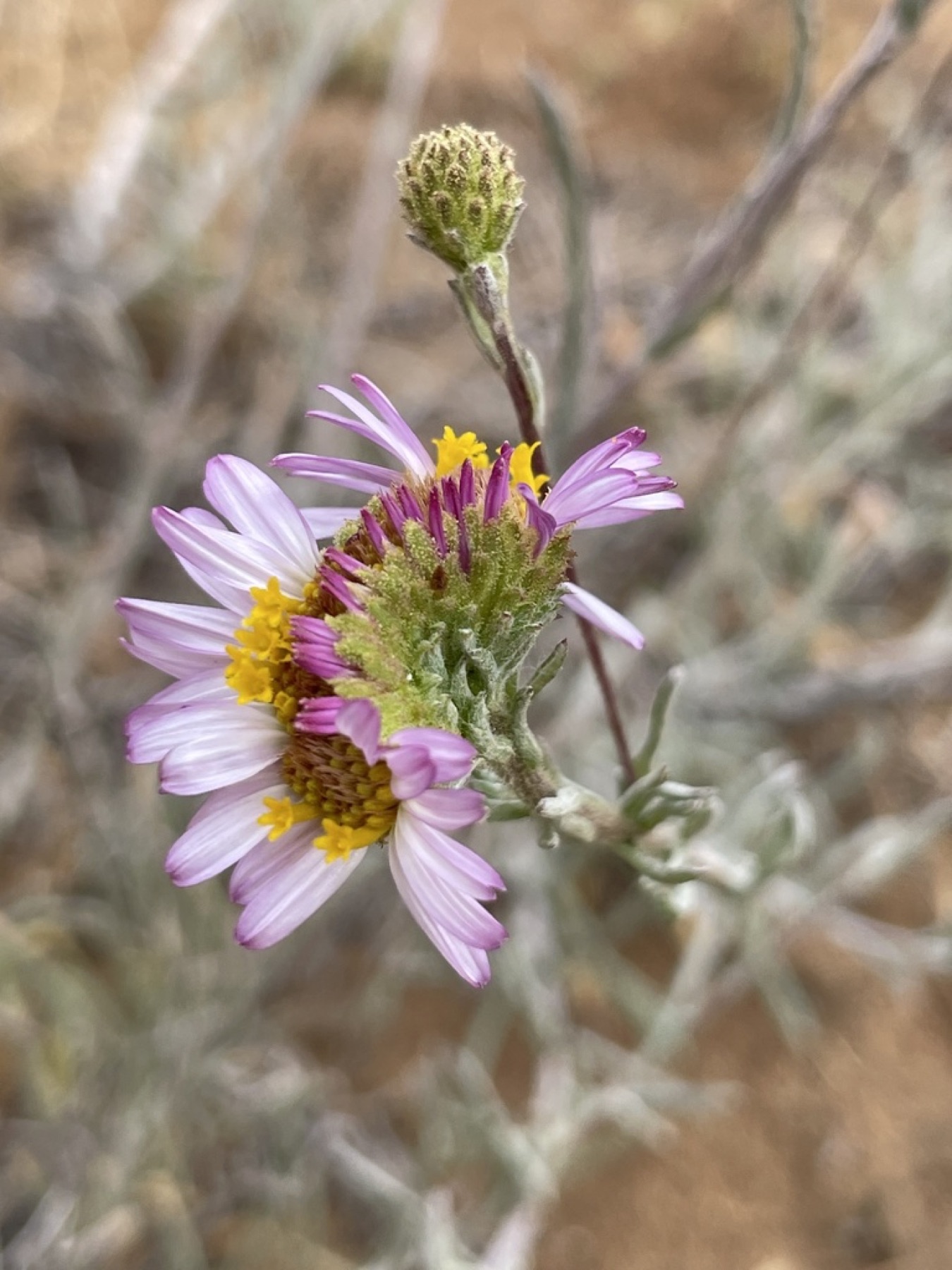
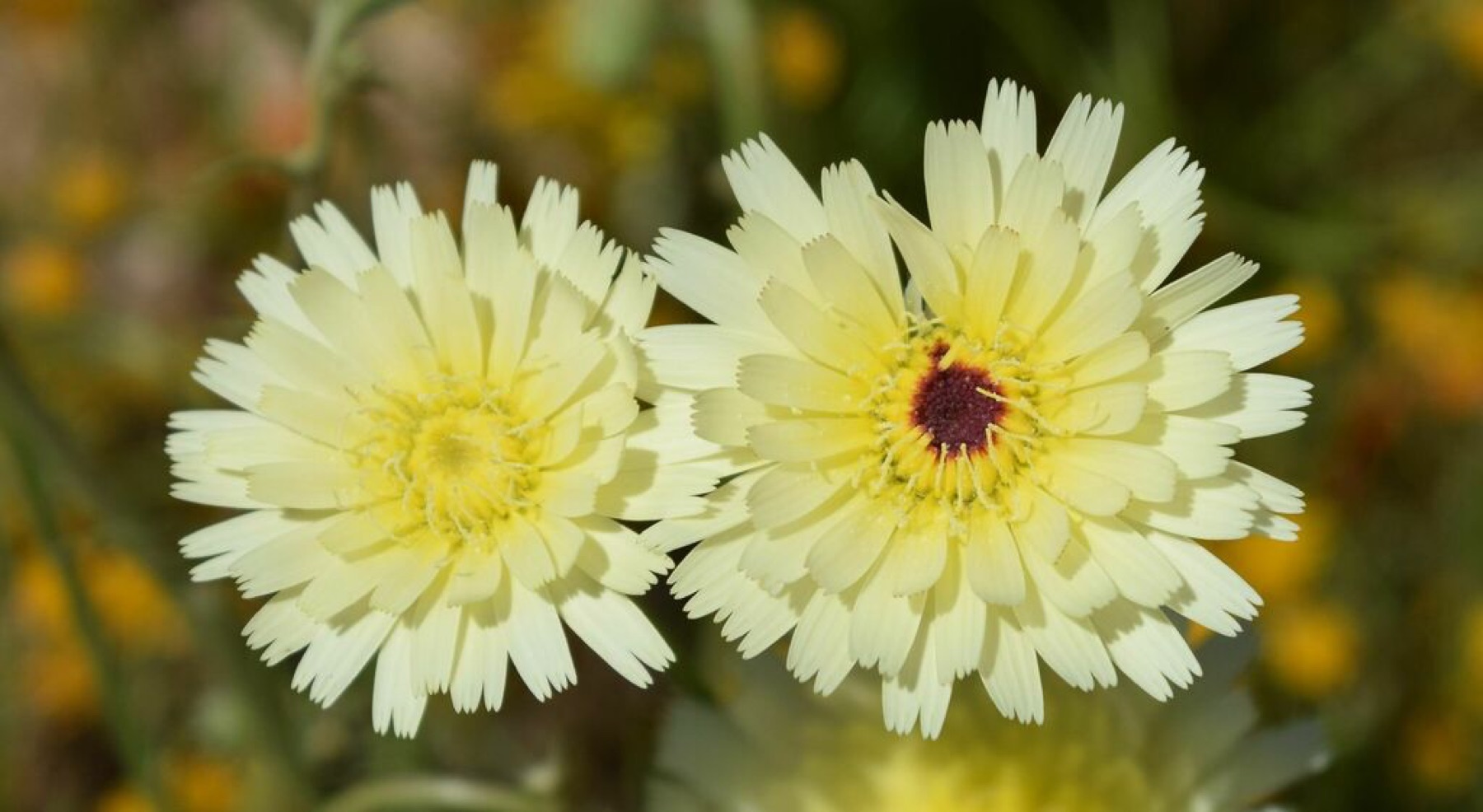
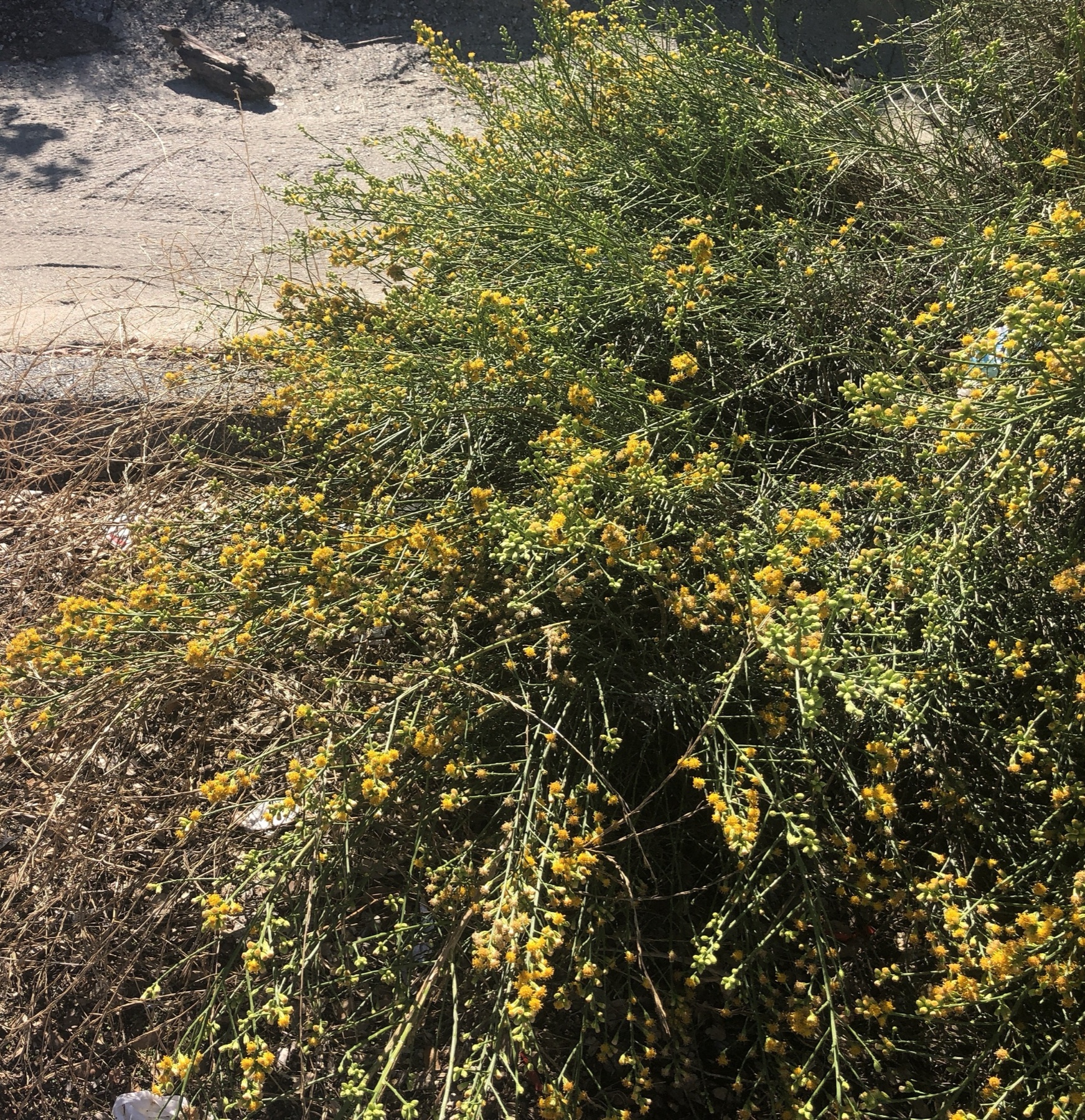
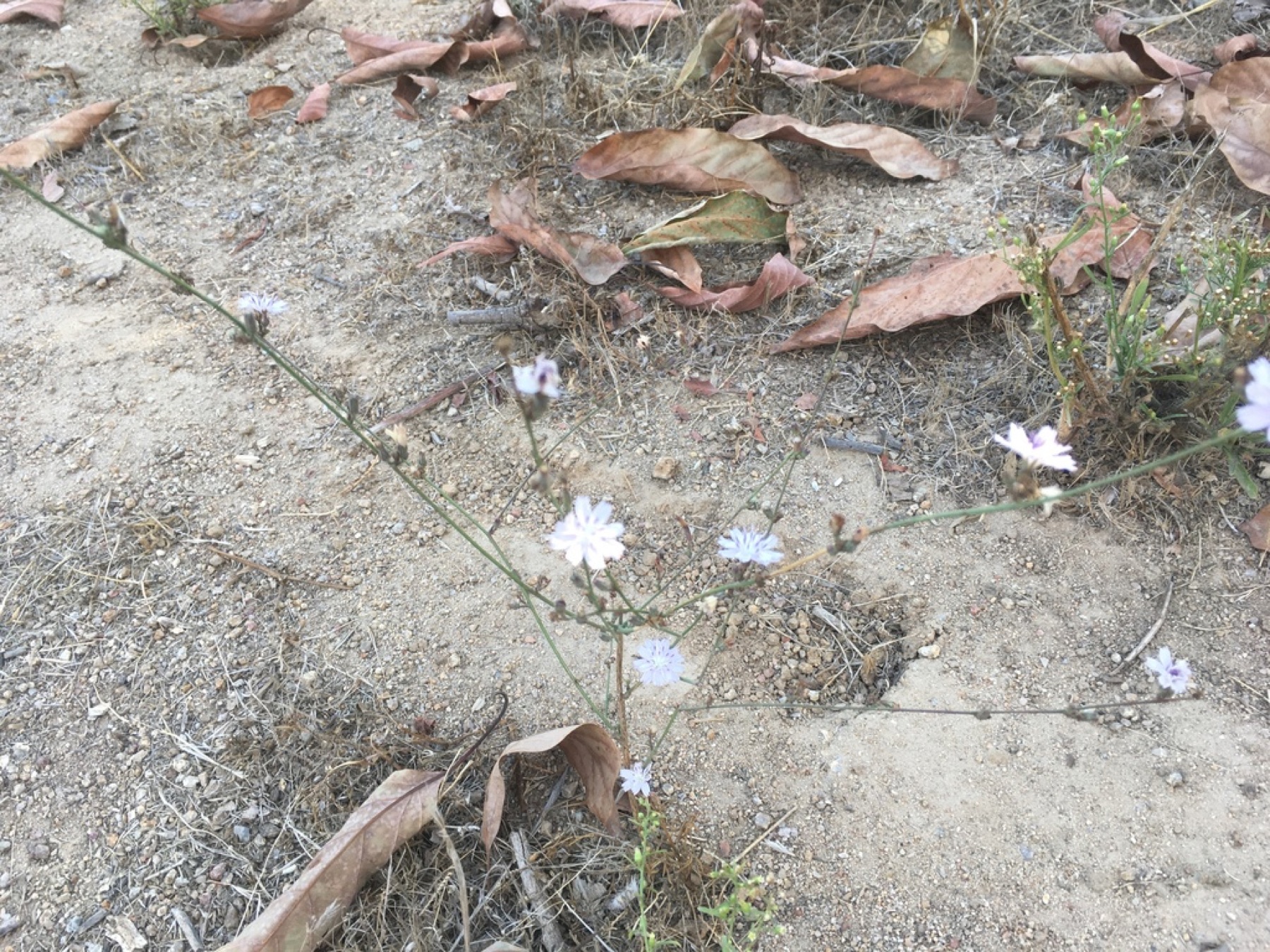
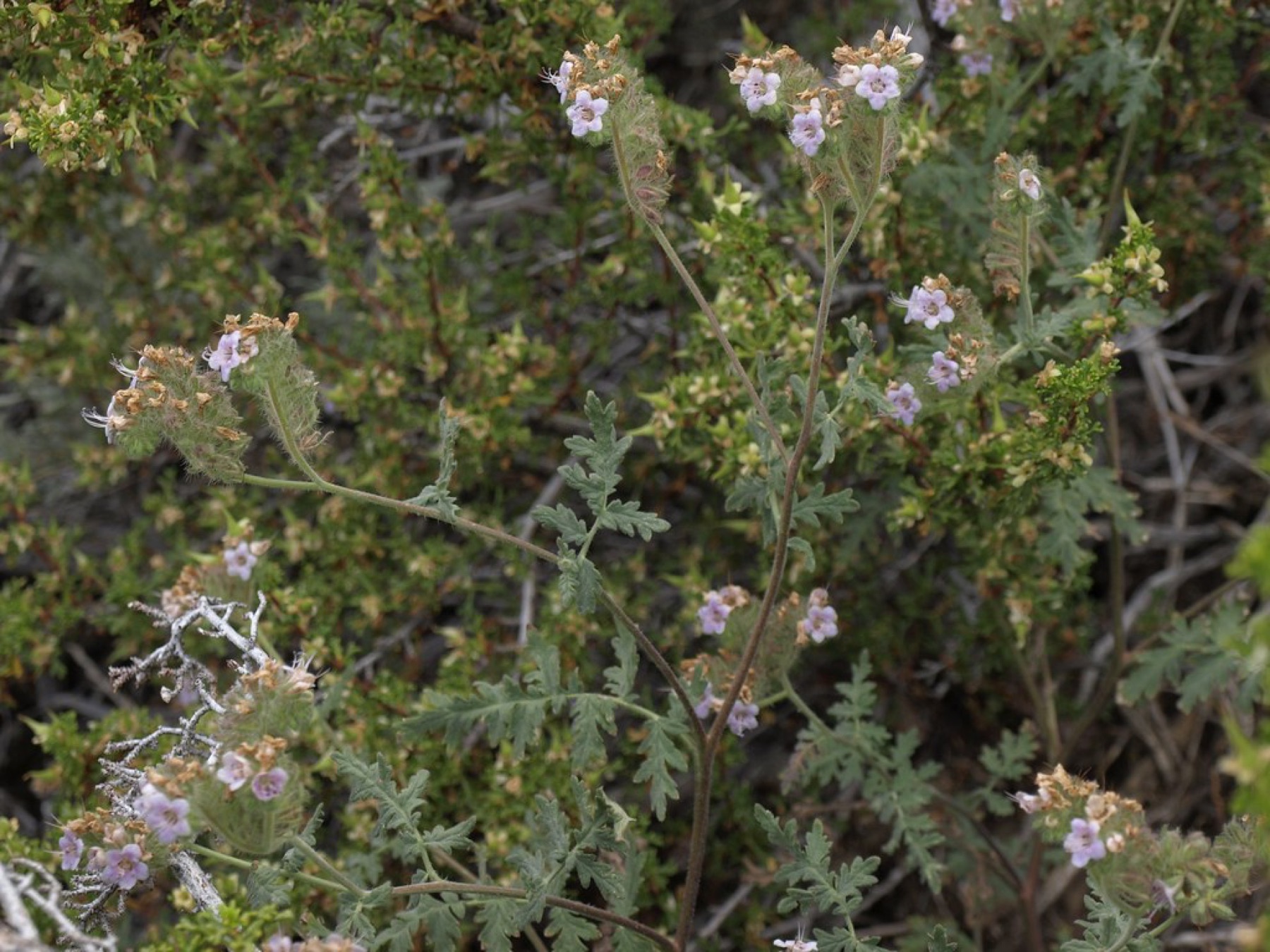
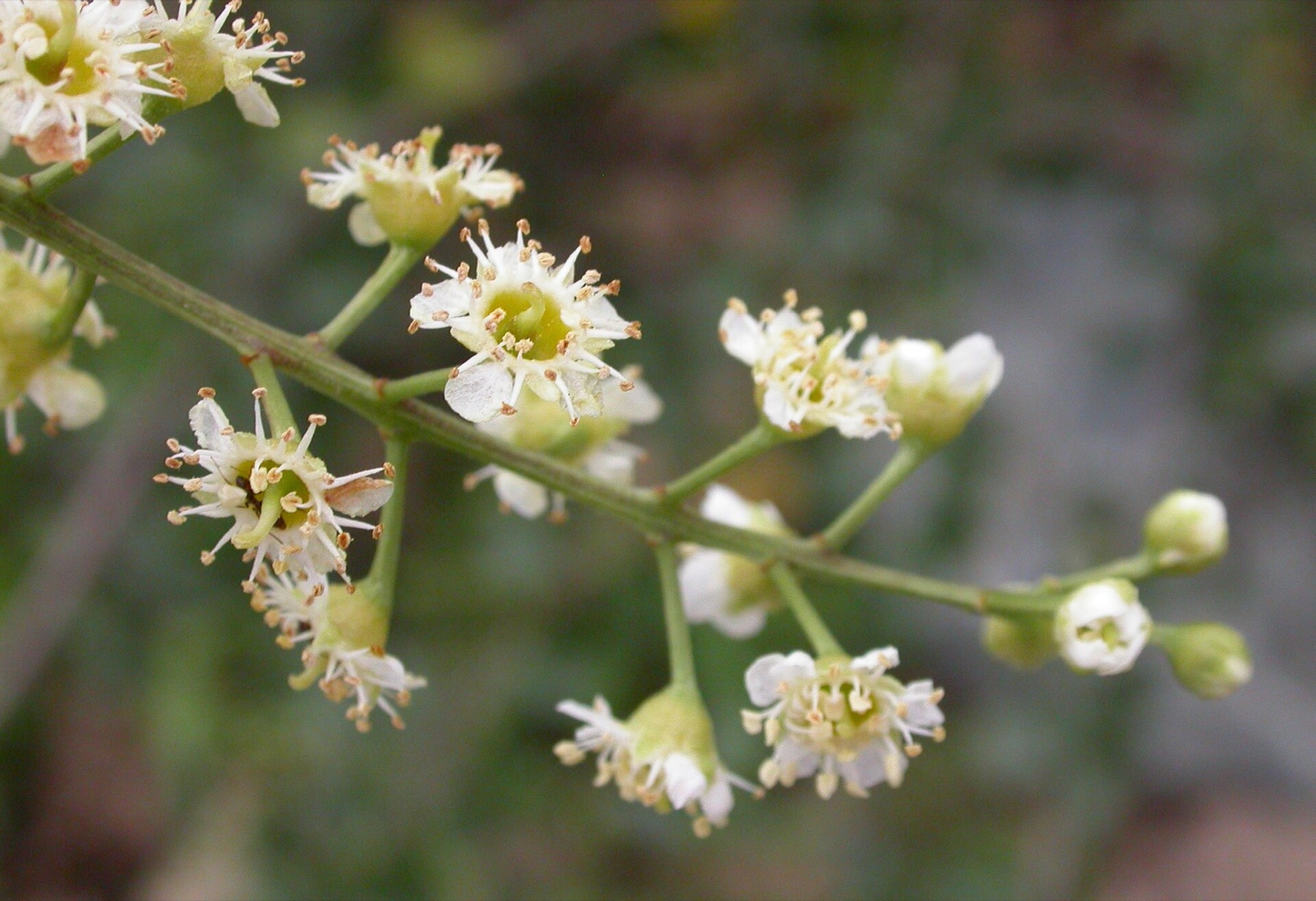
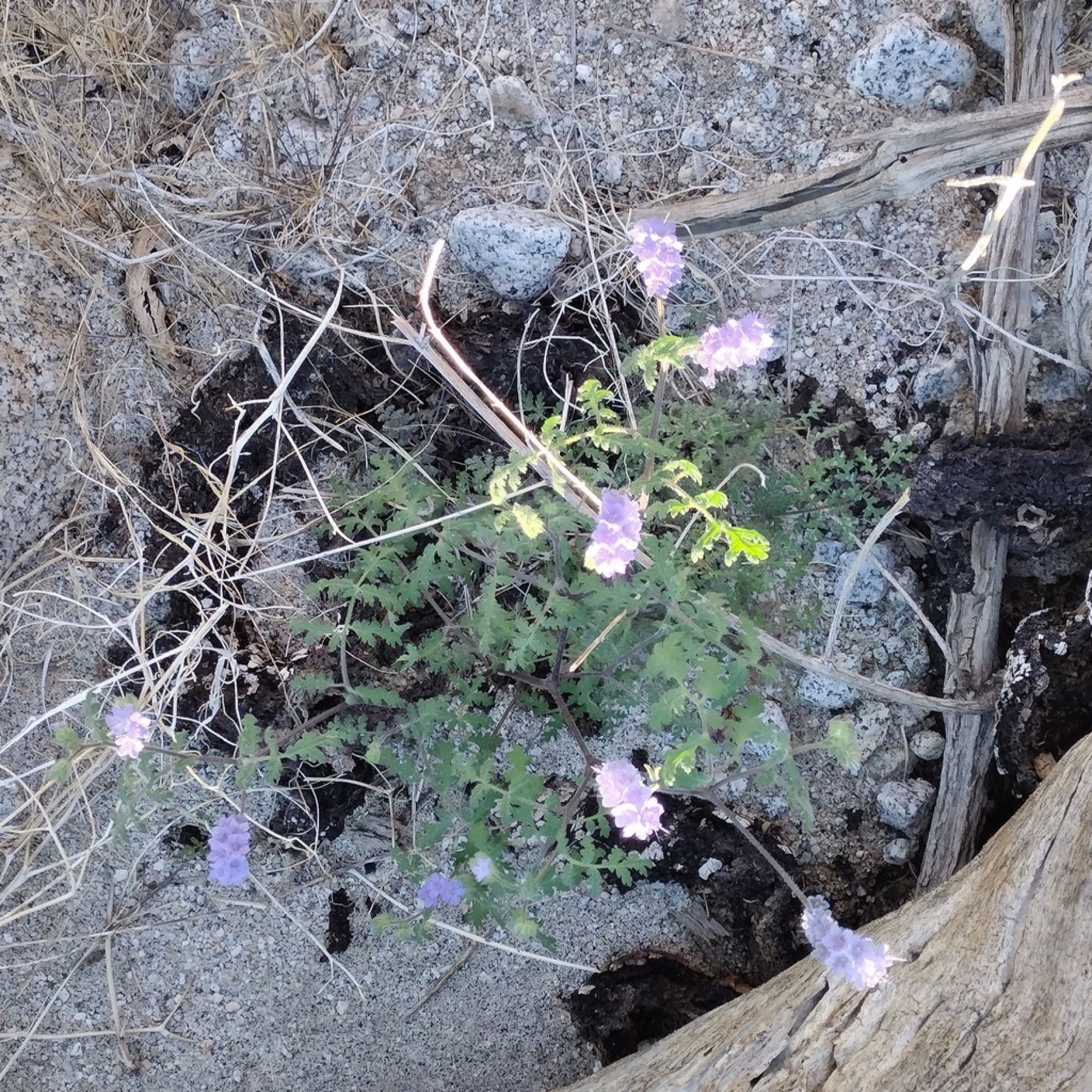
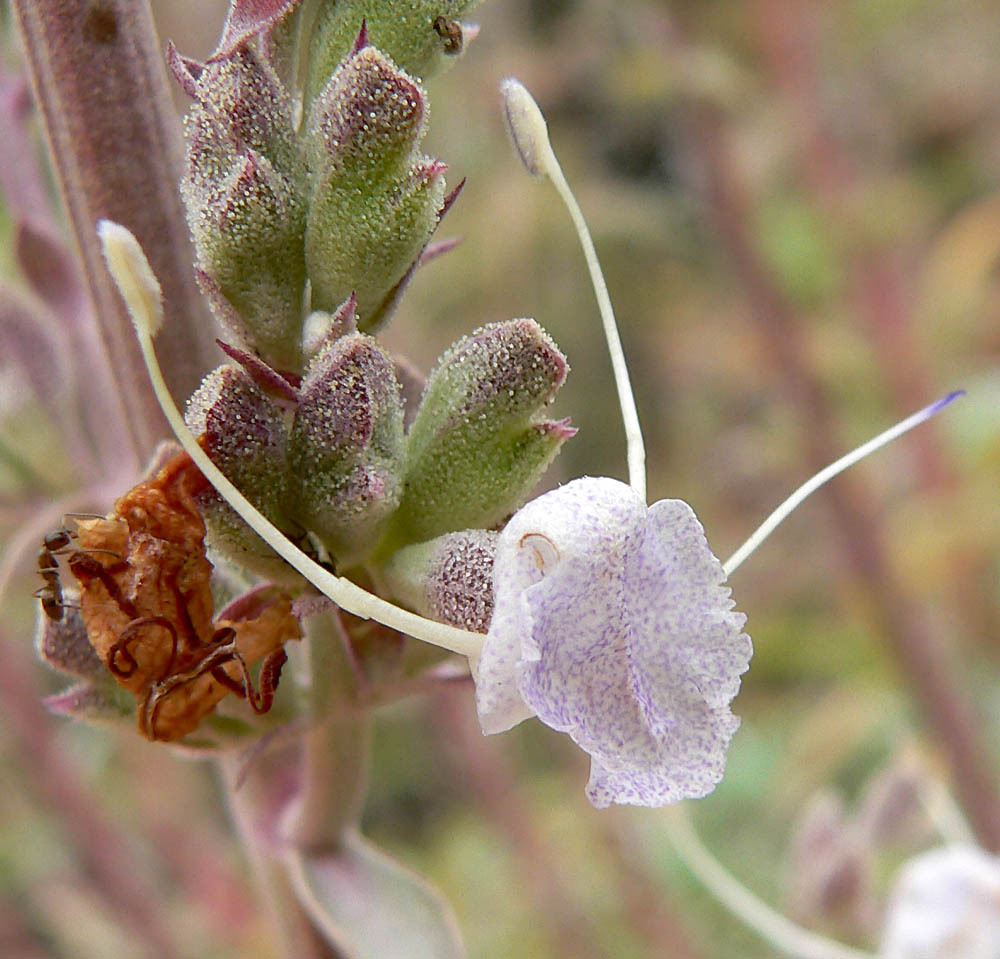
A delicate-looking native aster with slender stems and pale daisy-like flower heads, often white to pinkish or lavender. It reads as airy and wiry rather than lush.
Wildlife & pollinators
Native bees, flies, and small butterflies use the flowers, especially in mixed spring-summer scrub bloom.
Habitat & range
Rocky slopes, cliffs, coastal sage scrub, chaparral openings, and canyon walls across Southern California.
In the garden
Good for dry slopes, rock gardens, and informal habitat plantings. Give it drainage and avoid rich, wet soil.
Propagation
From seed or cuttings. Surface-sow seed in fall; cuttings can help preserve local forms.
Where to see it near you
- iNaturalist — observed in Southern California
- Rocky chaparral slopes, coastal sage scrub cuts, and canyon walls.
Problems
Short-lived or sparse in irrigated garden soil. Let it stay dry once established.