Coast Cholla
Cylindropuntia prolifera · Cactaceae
- Form
- Cactus
- Height
- 3-8 ft
- Sun
- Full Sun
- Water
- Very Low
- Blooms
- Apr, May, Jun, Jul
- Habitat
- Coastal Sage Scrub · Chaparral
🌿 California native
Quick facts
- Habitat: Coastal Sage Scrub, dry coastal slopes
- Form / size: Spiny cactus shrub, 3-8 ft
- Sun: Full sun · Water: Very low
- Blooms: Spring-summer · Pollinator value: Moderate
Description
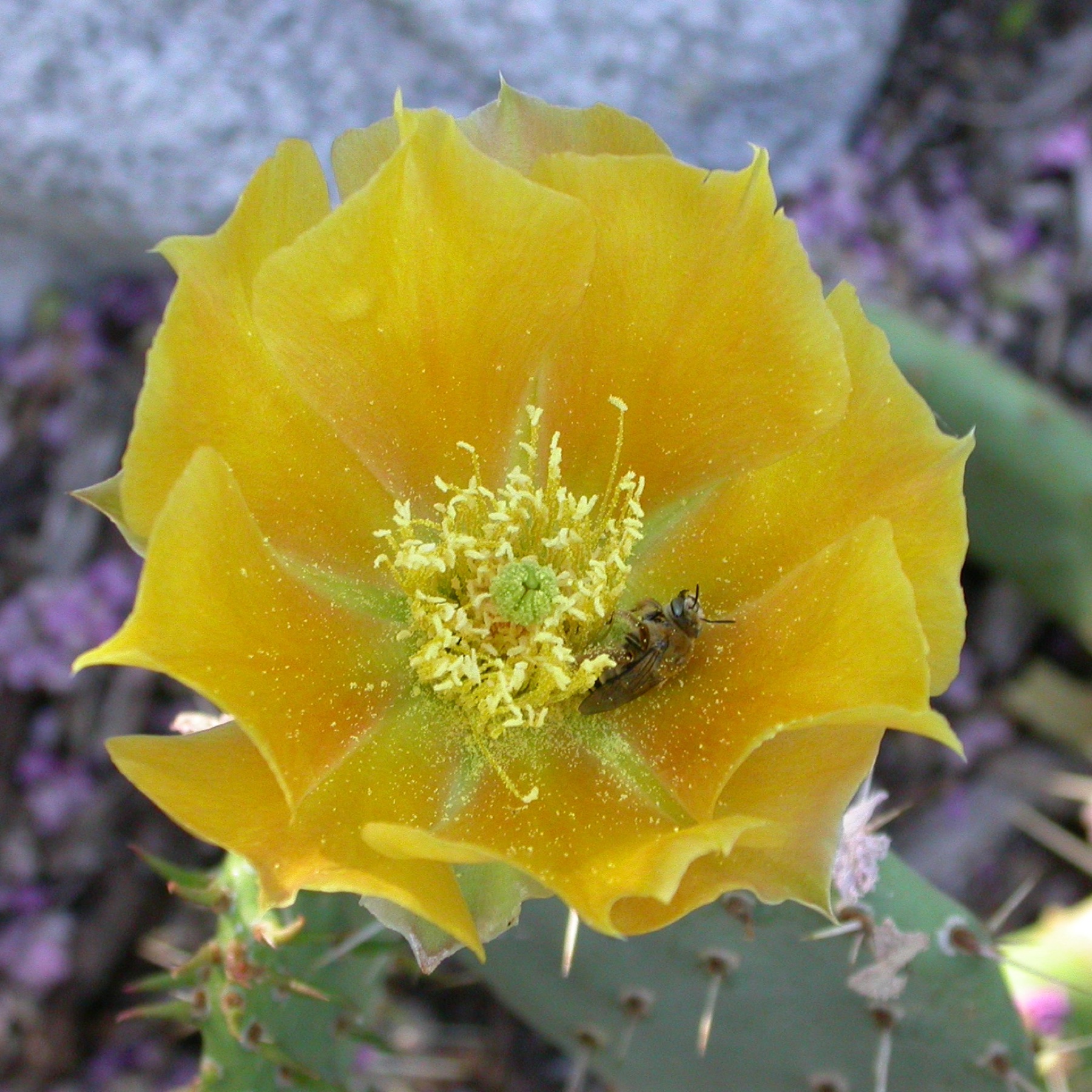
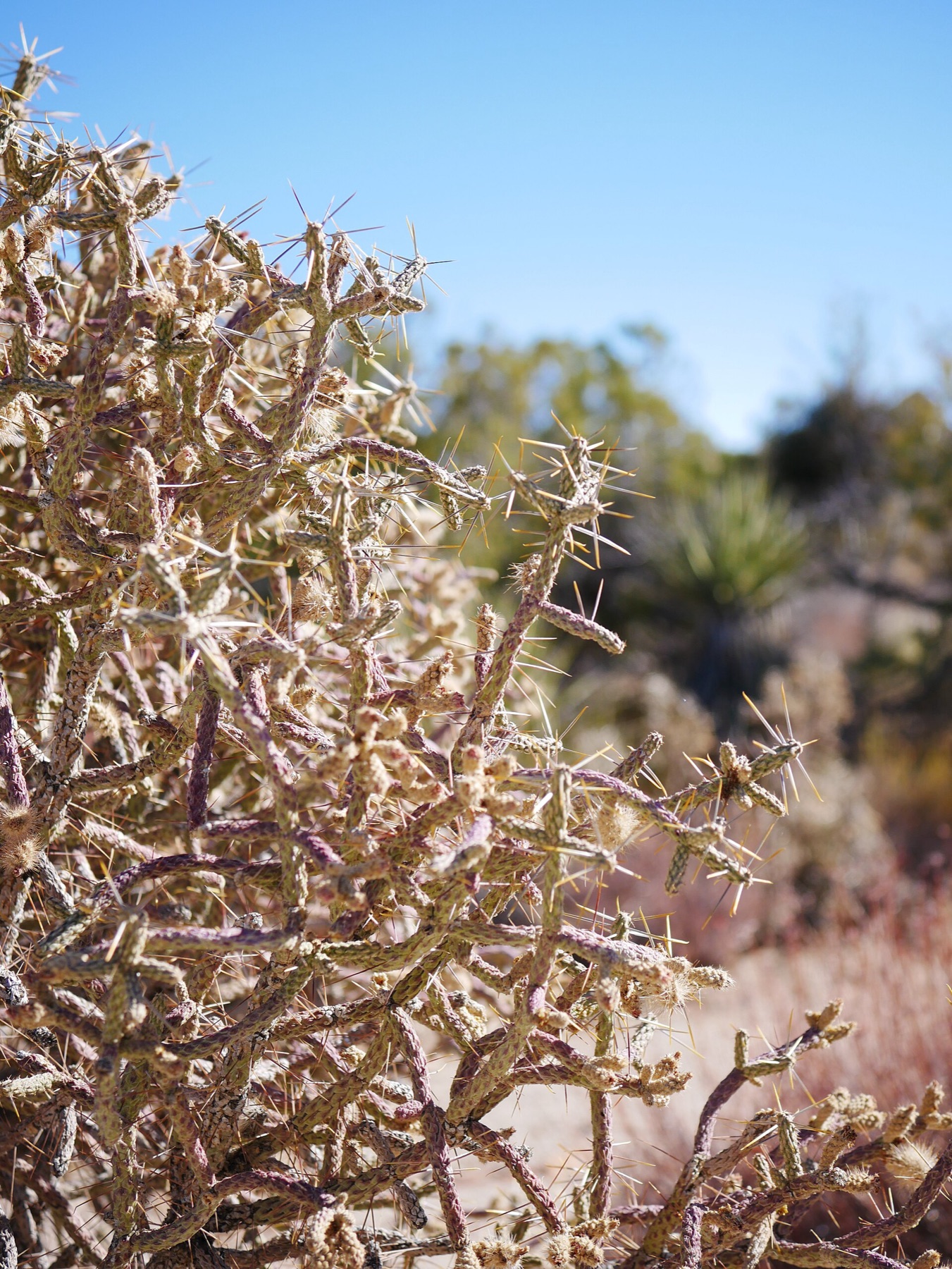
A coastal cholla with branching cylindrical joints, strong spines, and vivid pink to magenta flowers. It can form colonies and adds a very visible cactus structure to coastal scrub.
Ecological role
Cholla flowers bloom in spring and early summer, feeding native bees and associated insects during peak foraging months. The plant’s distinctive spiny cylindrical segments create dense structure in open scrub habitat, nesting and shelter sites for cactus wrens and other birds that depend on spiny, dense growth. Calscape lists it as supporting several lepidopterans. The fleshy fruits are consumed by coastal and desert wildlife. Its low-growing, mounding form is characteristic of coastal sage scrub, adding distinctive cactus structure to open-vegetation habitats.
Habitat & range
Coastal sage scrub, maritime chaparral edges, dry slopes, and coastal bluffs in Southern California and Baja California.
In the garden
Useful in cactus gardens and habitat plantings where it has room and cannot grab people. Keep far from paths, hoses, pets, and children.
Propagation
From stem segments. Let segments callus before planting in dry mineral soil.
Where to see it near you
- iNaturalist — observed in Southern California
- Coastal scrub slopes, bluffs, and dry canyon edges.
Problems
Spines detach and lodge easily. Site it like a cactus with consequences.