Creosote Bush
Larrea tridentata · Zygophyllaceae
- Form
- Shrub
- Height
- 3–8 ft
- Sun
- Full Sun
- Water
- Very Low
- Blooms
- Feb, Mar, Apr, May, Aug, Sep
- Pet toxicity
- Mild
- Habitat
- Desert
🌿 California native
Quick facts
- Habitat: Desert flats, bajadas, washes, hot dry slopes
- Form / size: Evergreen desert shrub, 3–8 ft
- Sun: Full sun · Water (established): Very low
- Blooms: Spring, sometimes after summer rain · Pollinator value: High
Description
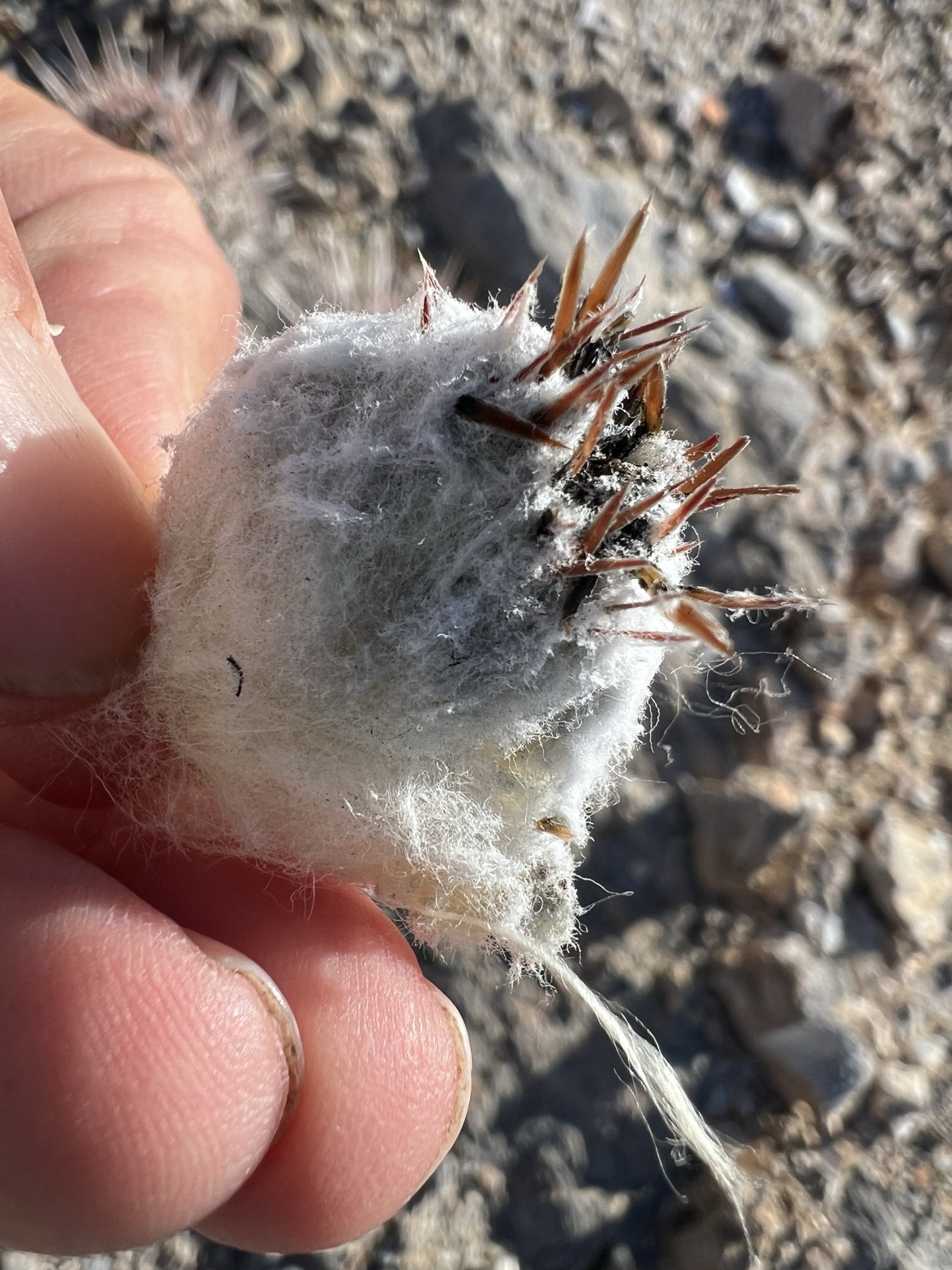
The signature shrub of the Mojave and Sonoran deserts: dark olive-green, resinous leaflets, small yellow flowers, and fuzzy white seed balls. After rain, the whole desert can smell like creosote bush — sharp, resinous, and unmistakable.
Wildlife & pollinators
Supports a whole desert insect community, including specialist native bees. Birds use the shrub for cover, and many small animals shelter under its canopy.
Habitat & range
Desert flats, alluvial fans, washes, and bajadas across the Southwest. Around Southern California, it becomes dominant as you move into the low desert.
In the garden
Excellent for true desert gardens with heat, sun, and very sharp drainage. It hates pampering. Plant small, water deeply but rarely while establishing, then back off.
Propagation
Grow from seed after cleaning the fuzzy covering. Warm conditions and excellent drainage are key.
Where to see it near you
- iNaturalist — observed in Southern California
- Low desert roadsides, washes, and alluvial flats.
Problems
Poor drainage and summer irrigation are the main killers. Mildly medicinal/resinous; do not treat it as pet-safe forage.