Quaking Aspen
Populus tremuloides · Salicaceae
- Form
- Tree
- Height
- 20–50 ft
- Sun
- Full Sun
- Water
- High
🌿 California native
Quick facts
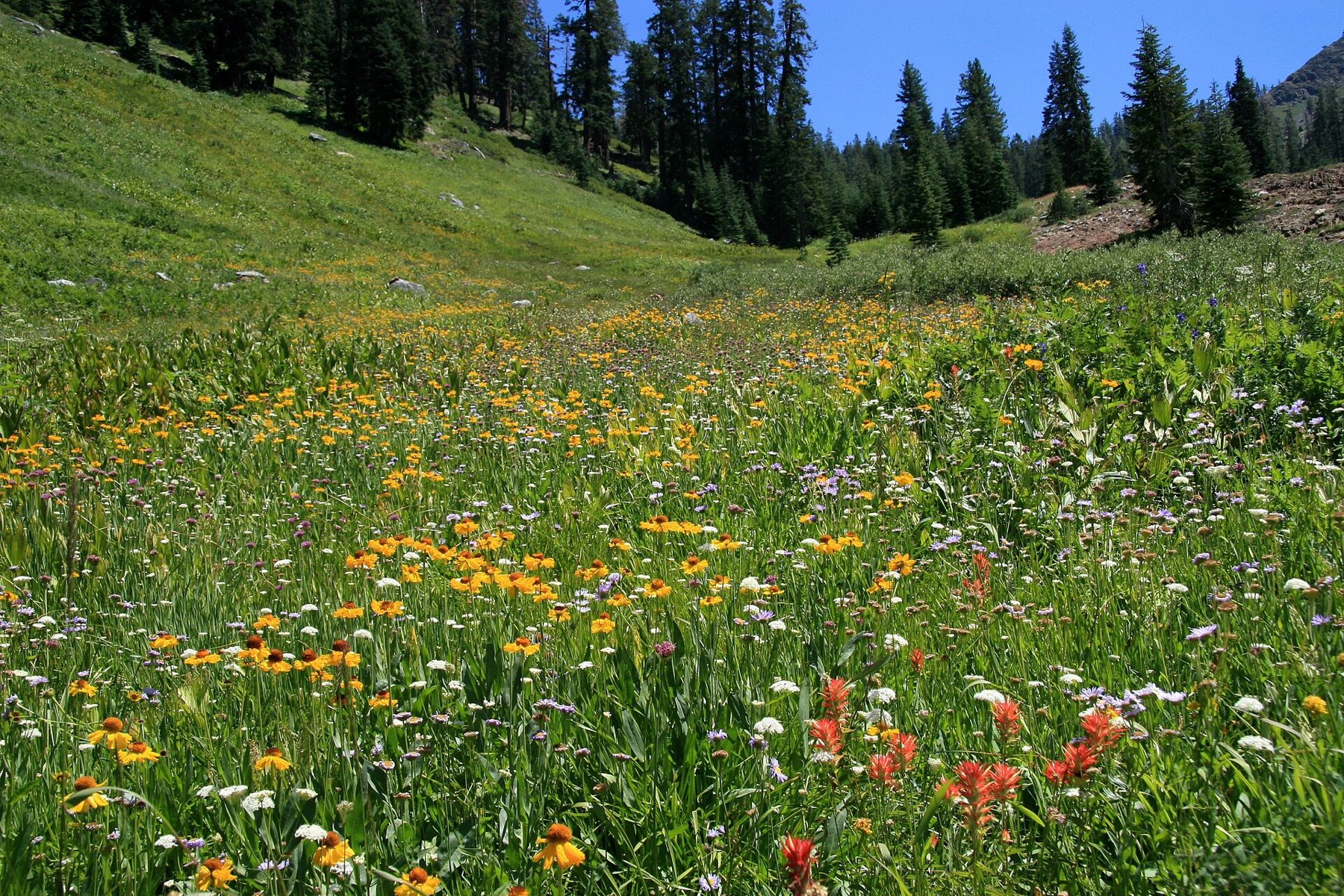
- Habitat: Montane meadows, seeps, streamsides (Riparian) — Mammoth & June Lake Loop
- Form / size: Slender deciduous tree, 20–50 ft; forms clonal groves
- Sun: Full sun · Water: High (wants moisture)
- The show: white bark + round leaves that tremble; brilliant gold in fall
Description
The most widespread tree in North America, and the star of Eastern Sierra autumn. Smooth, chalky white-to-greenish bark, and round leaves on flattened stalks that flutter (“quake”) in the slightest breeze, turning electric gold in October. Spreads by root suckers into clonal groves (a whole grove can be one organism). The June Lake Loop is famous for its aspen color.
Wildlife & pollinators
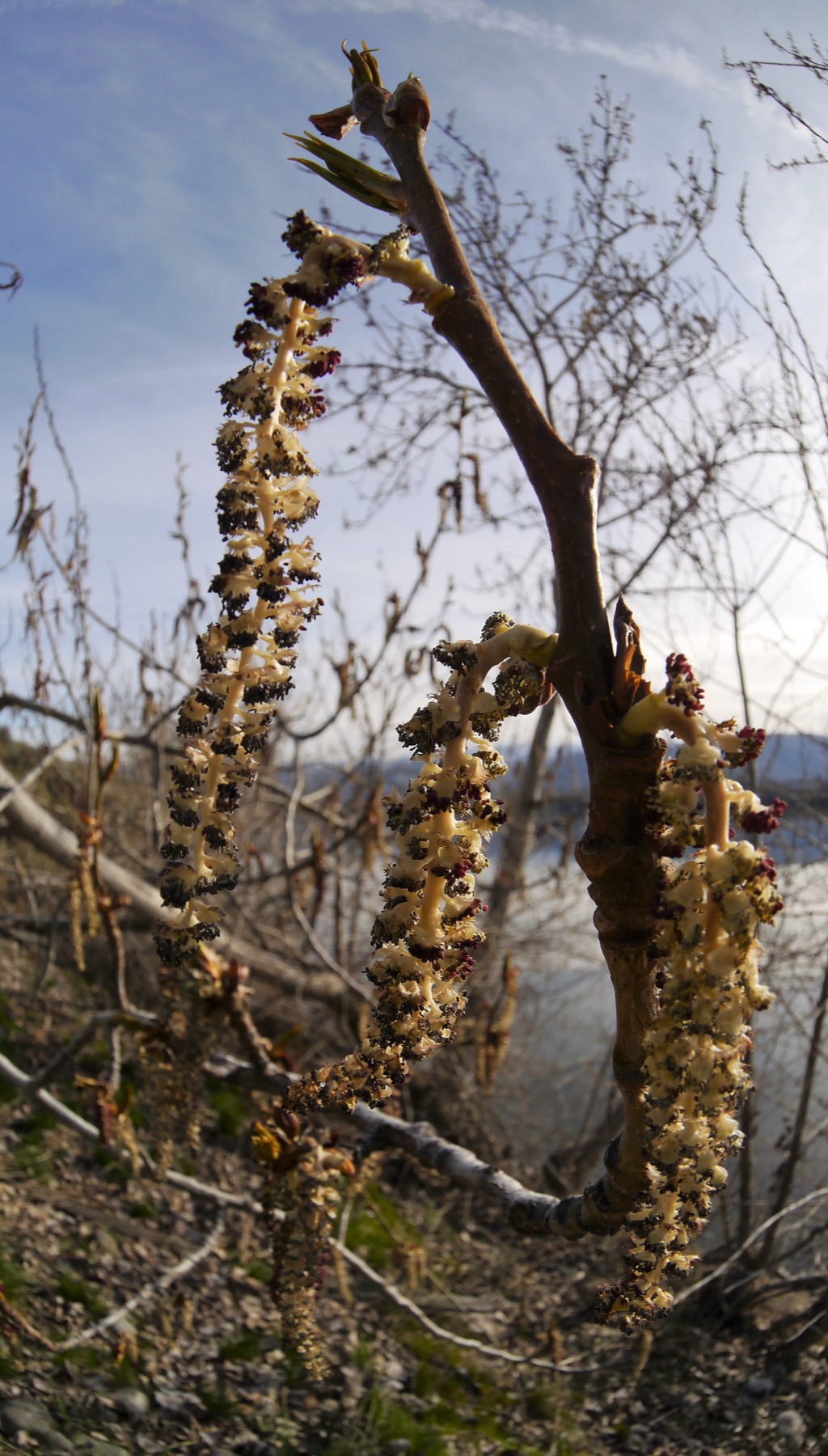
Wind-pollinated (catkins). Bark, buds, and leaves feed deer and beaver; cavities shelter birds. Groves are biodiversity hotspots.
Habitat & range
Wet Montane meadows, seeps, avalanche chutes, and streamsides across the Sierra and the West; needs reliable moisture and cold winters.
Propagation
Easiest from root suckers / cuttings (it’s clonal); seed is tiny, short-lived, and rarely used.
Where to see it near you
- iNaturalist — observed across California (map)
- The Eastern Sierra — peak gold in October.
In the landscape
Lovely by water in cold mountain gardens — but it suckers aggressively and needs moisture, so not for small or dry lots.