Scarlet Monkeyflower
Erythranthe cardinalis · Phrymaceae
- Form
- Perennial herb
- Height
- 1-3 ft
- Sun
- Part Shade
- Water
- High
- Blooms
- May, Jun, Jul, Aug
🌿 California native
Quick facts
- Habitat: Riparian, Wetland, seeps and shaded water edges
- Form / size: Soft perennial, 1-3 ft
- Sun: Part shade to filtered sun · Water: High
- Blooms: Late spring-summer · Pollinator value: High
Description
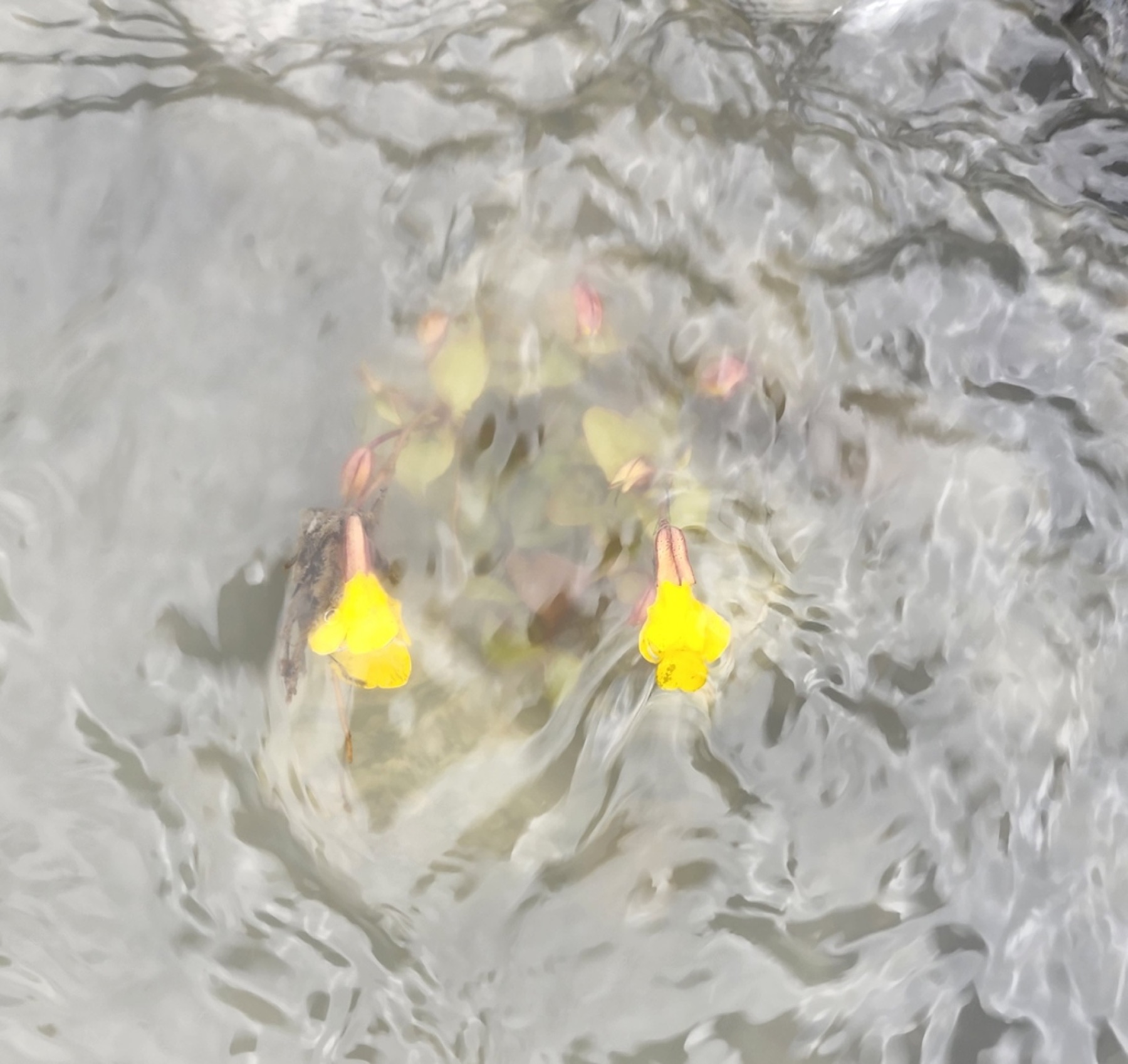
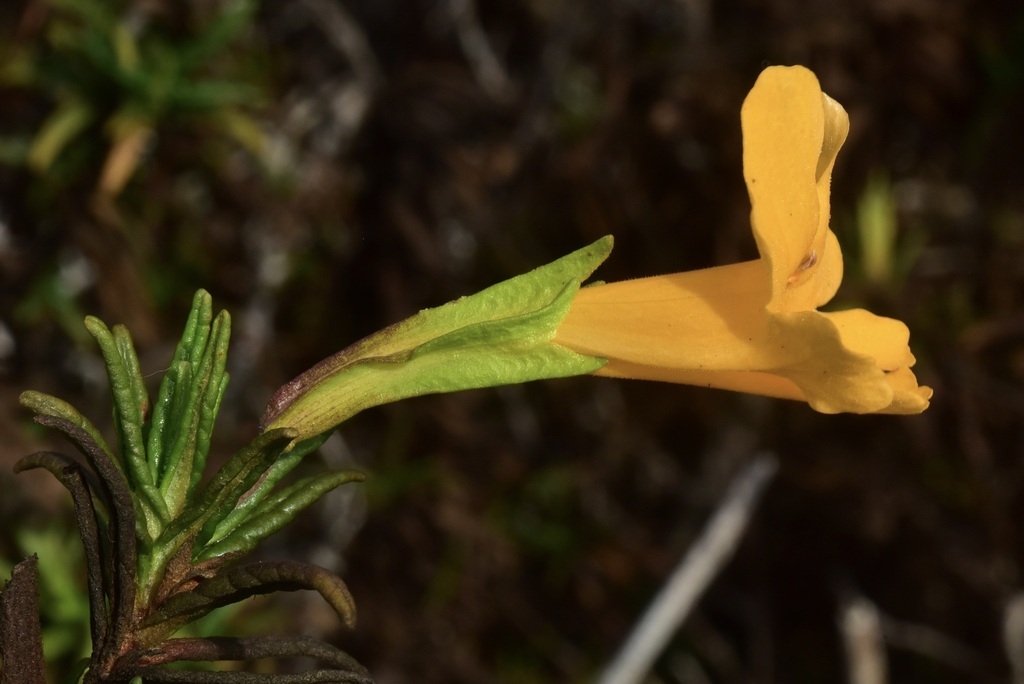
A lush wet-edge monkeyflower with soft leaves and bright red-orange tubular flowers. Unlike the shrubby dryland monkeyflowers, this one looks juicy and herbaceous, usually growing right where water is close.
Ecological role
Hummingbirds are built for these red tubular flowers. When a hummingbird hovers to reach the nectar hidden deep in the tube, its forehead brushes against the plant’s anthers and stigma, transferring pollen from flower to flower. It’s pollination as a side effect of feeding. Native bees may also visit. The nectar blooms late into summer, May through August, which matters more than it sounds like. By midsummer, many other riparian flowers have already finished for the year, so scarlet monkeyflower is one of the last reliable nectar sources before the season turns. In a wet creek bottom or seep where little else is still flowering, a stand of monkeyflower in bloom is a final refueling station for migratory birds and insects running low on food before autumn.
Habitat & range
Seeps, streambanks, shaded wet cliffs, springs, and wet riparian edges. It is local in Southern California and more common where perennial moisture persists.
In the garden
Excellent for shaded water features, seep gardens, and moist containers. It needs steady moisture and protection from hot dry exposure.
Propagation
From cuttings, divisions, or seed. Cuttings root readily in moist media; keep young plants damp.
Where to see it near you
- iNaturalist — observed near San Juan Capistrano
- Shaded seeps, perennial water edges, and moist canyon bottoms.
Problems
Dries out quickly in exposed gardens. Snails and chewing insects may find soft new growth.