Foxtail Pine
Pinus balfouriana · Pinaceae
- Form
- Tree
- Height
- 20–50 ft
- Sun
- Full Sun
- Water
- Very Low
- Habitat
- Subalpine
🌿 California native
Quick facts
- Habitat: High Subalpine slopes and upper mountain ridges
- Form / size: Narrow conifer, 20–50 ft
- Sun: Full sun · Water: Very low
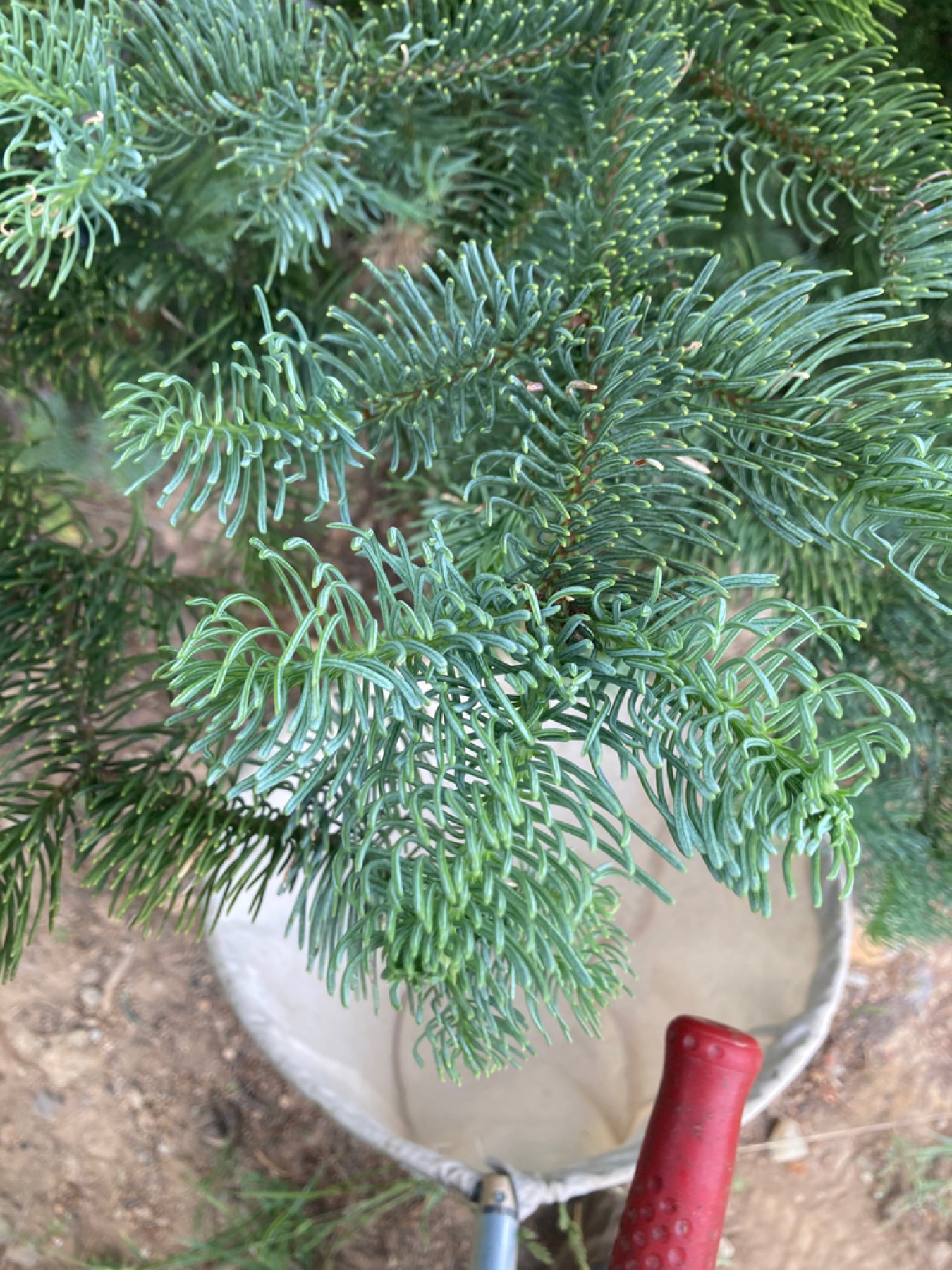
- The tell: dense branch-tip needle clusters that look like a foxtail
Description
A striking high-mountain pine with dense, tufted branch ends that create a soft bottlebrush or fox-tail silhouette. Needles are borne in bundles of five, and the tree often stands in harsh, exposed high country where its shape becomes tight and wind-pruned.
Wildlife & pollinators
Wind-pollinated. Seeds support birds and small mammals in the sparse upper forest zone.
Habitat & range
Subalpine ridges and cold upper slopes of select Sierra and Klamath high country. In the eastern Sierra conversation it sits with the upper-elevation conifers rather than the sagebrush floor.
In the garden
A specialist mountain tree for very cold, dry, sharply drained sites. Too slow and too exacting for normal landscapes.
Propagation
From seed. Slow and best handled by serious native-conifer growers.
Where to see it near you
- iNaturalist — observed across California (map)
- Highest parts of the greater Eastern Sierra region, especially in true subalpine terrain.
Sources
Commonly confused with
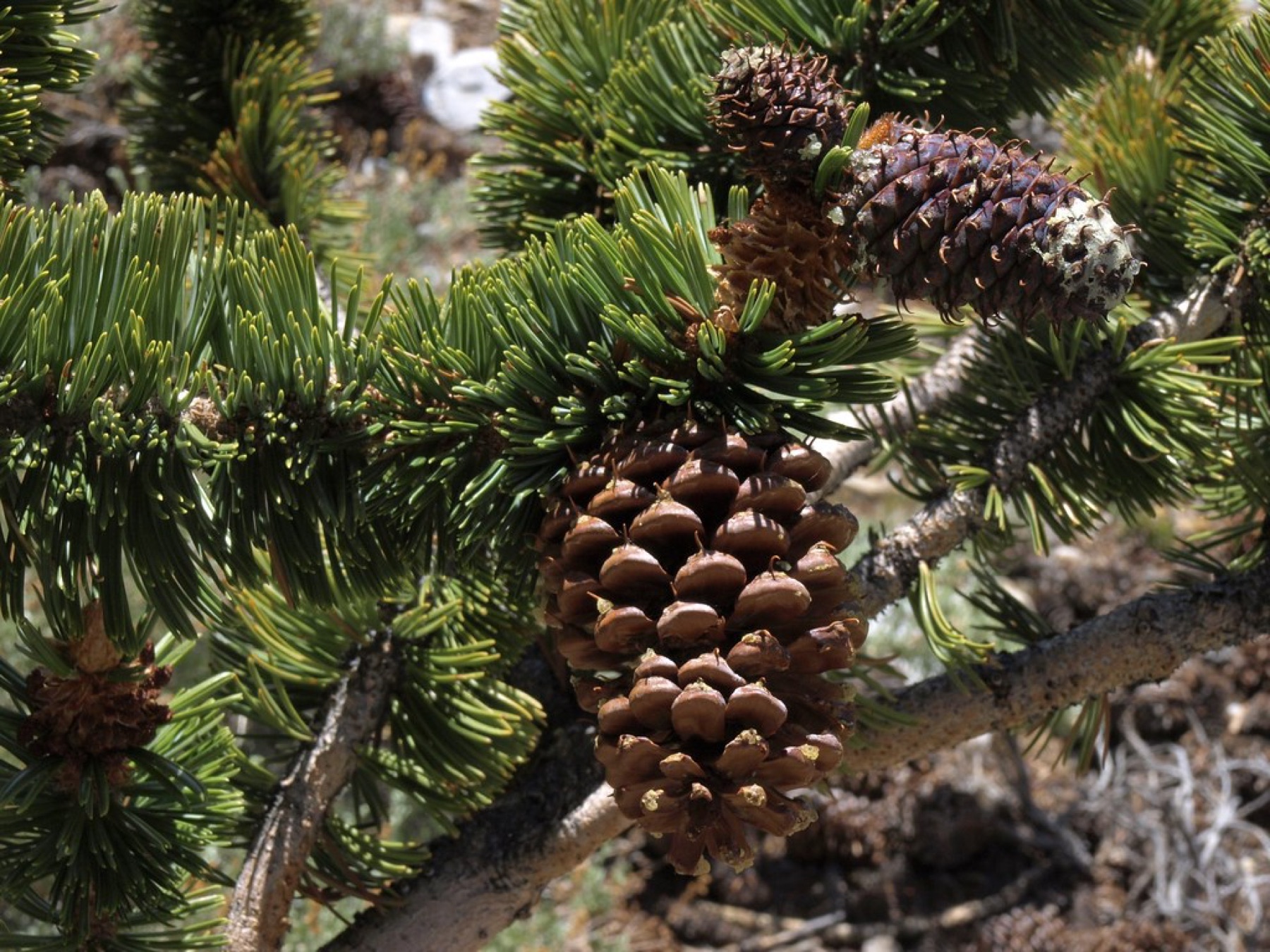 Great Basin Bristlecone Pine 🌿 Pinus longaeva both are ancient-looking five-needle pines of high cold country, but foxtail shows denser tufted branch ends while bristlecone is more famously twisted and strip-barked.
 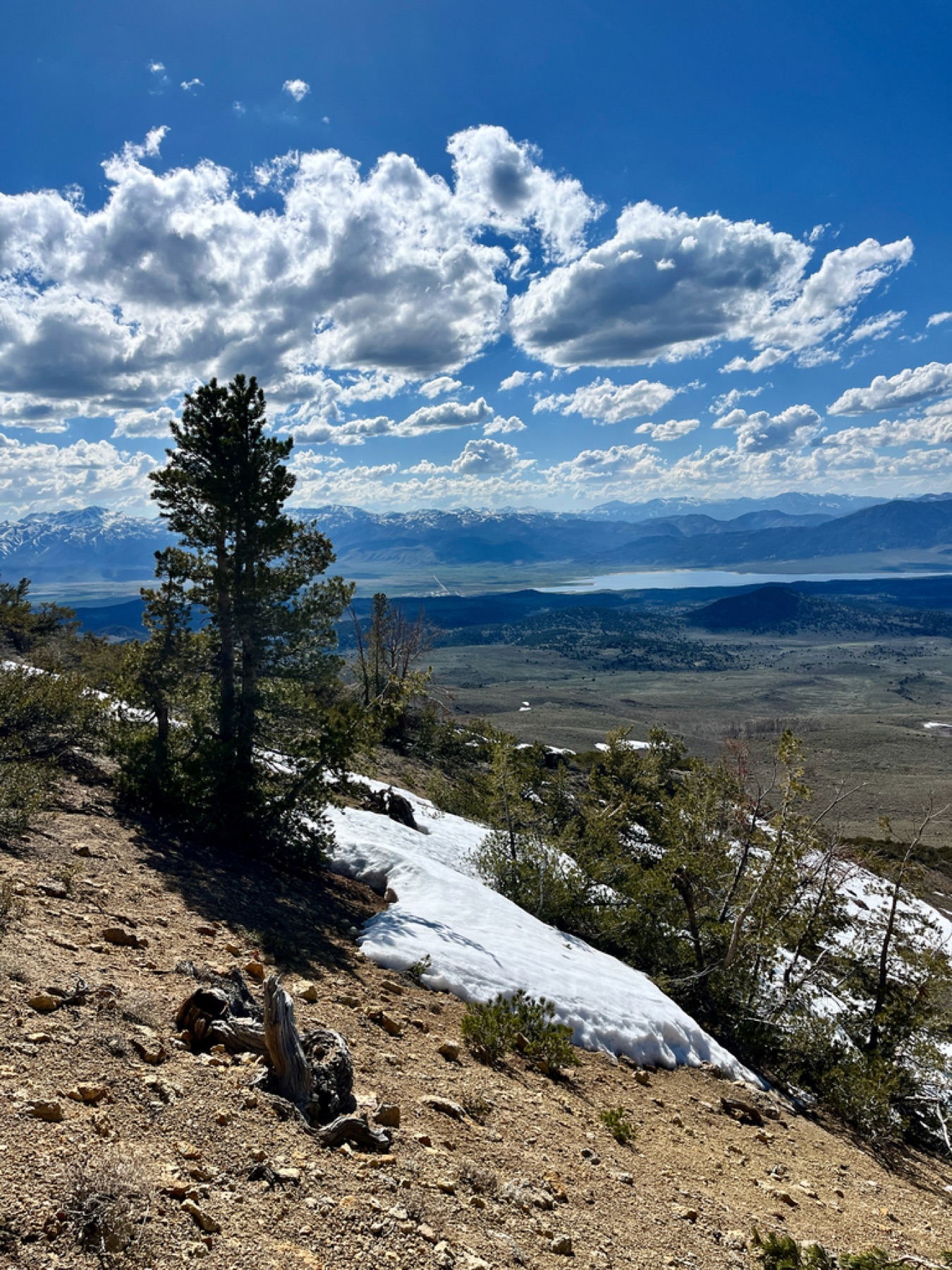 Whitebark Pine 🌿 Pinus albicaulis another upper-elevation five-needle pine, but without the same pronounced foxtail texture.