Great Basin Bristlecone Pine
Pinus longaeva · Pinaceae
- Form
- Tree
- Height
- 15–40 ft
- Sun
- Full Sun
- Water
- Very Low
- Habitat
- Subalpine
🌿 California native
Quick facts
- Habitat: Subalpine limestone ridges and cold high slopes above the Eastern Sierra
- Form / size: Slow-growing, twisted conifer, 15–40 ft
- Sun: Full sun · Water: Very low
- The claim to fame: among the oldest living trees on Earth
Description
A tough, slow, weather-carved pine of the highest dry mountains, often with strip-barked trunks, dense short needles in bundles of five, and a sculptural, half-dead / half-living silhouette that can look ancient even from a distance. On exposed ridges it becomes gnarled and bonsai-like; in slightly milder sites it can stand taller. The whole tree reads as endurance.
Wildlife & pollinators
Wind-pollinated. Seeds feed birds and small mammals; old bristlecone stands create rare high-elevation structure and shelter.
Habitat & range
High, dry, windy Subalpine slopes and dolomitic or limestone ridges of the White Mountains and nearby Great Basin ranges east of the Sierra. It is a tree of extremes: cold winters, thin soils, fierce sun, and very little competition.
In the garden
More of a specialist collector or restoration tree than a normal landscape plant. Needs full sun, perfect drainage, cold winters, and patience measured in decades.
Propagation
From seed. Germination is possible, but growth is famously slow. Best for serious native-conifer growers.
Where to see it near you
- iNaturalist — observed across California (map)
- Best known from the high country east of the Eastern Sierra, especially the White Mountains.
Sources
Commonly confused with
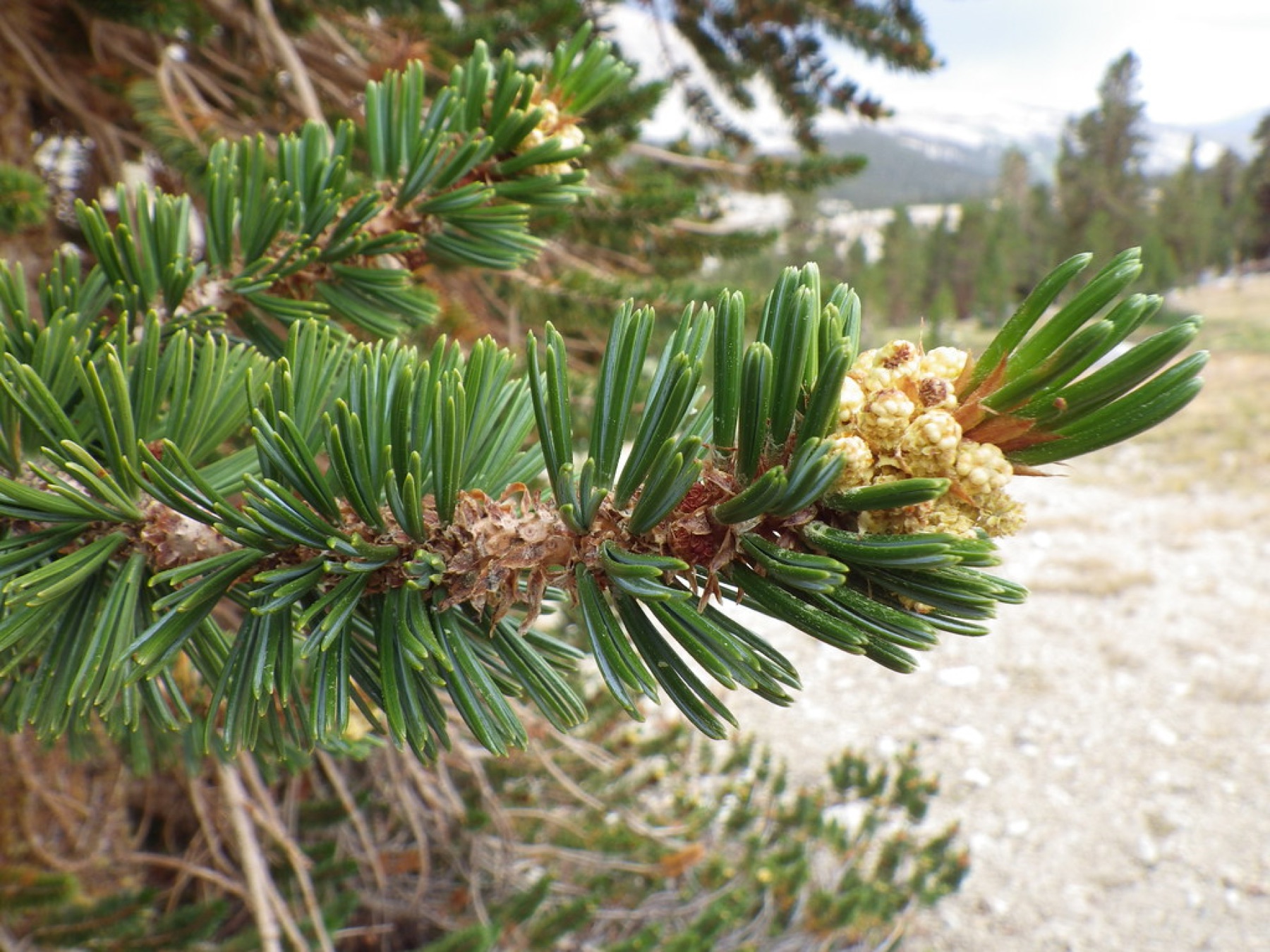 Foxtail Pine 🌿 Pinus balfouriana also a five-needle high mountain pine, but foxtail has denser, fox-tail-like branch tips and does not usually show the same extreme ancient strip-bark character.
 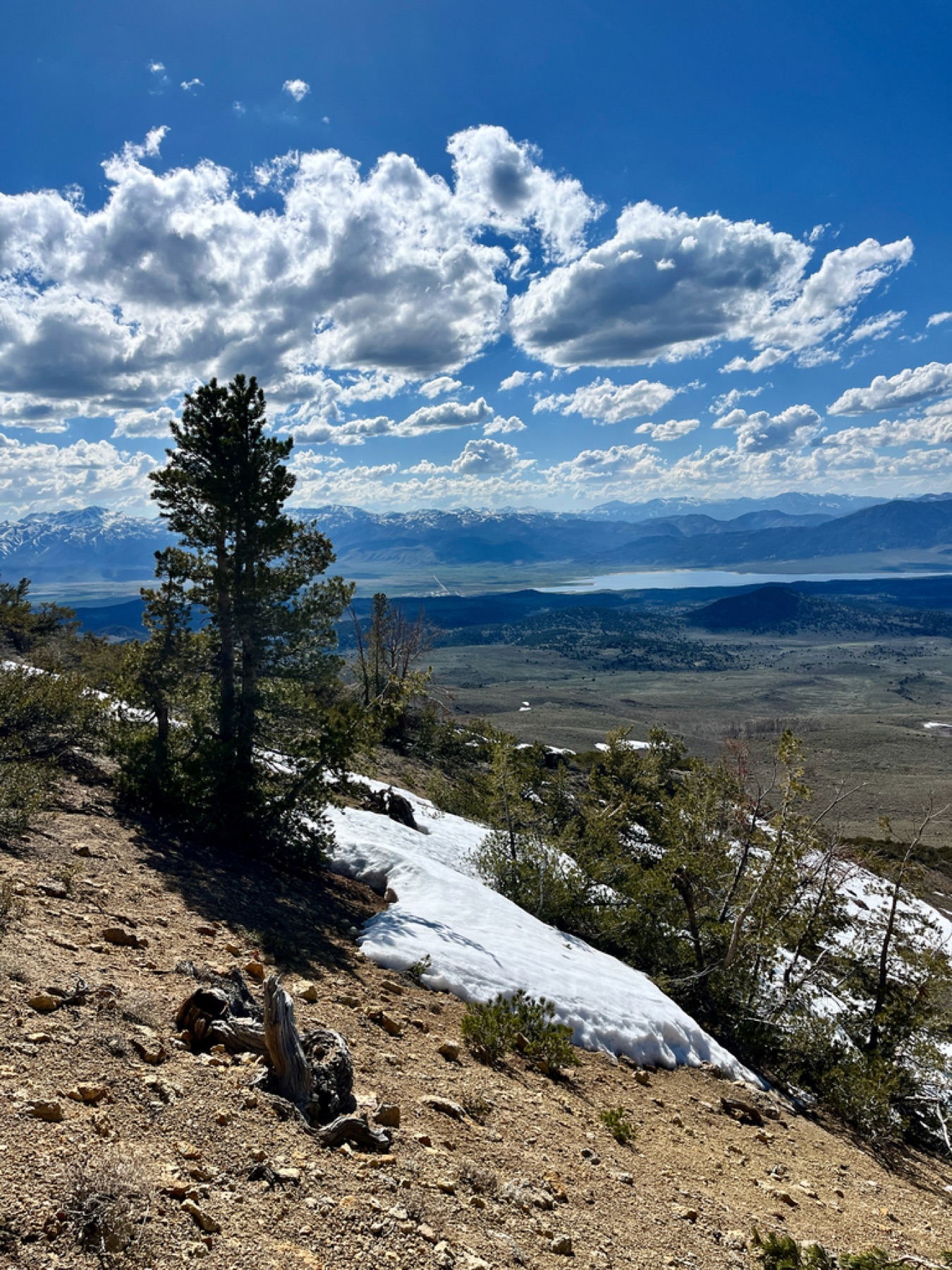 Whitebark Pine 🌿 Pinus albicaulis another subalpine five-needle pine, but generally less twisted-looking and tied more to Sierra high country than the White Mountains.