Woods' Rose
Rosa woodsii · Rosaceae
- Form
- Shrub
- Height
- 3–8 ft
- Sun
- Full Sun
- Water
- Moderate
- Blooms
- May, Jun, Jul
🌿 California native
Quick facts
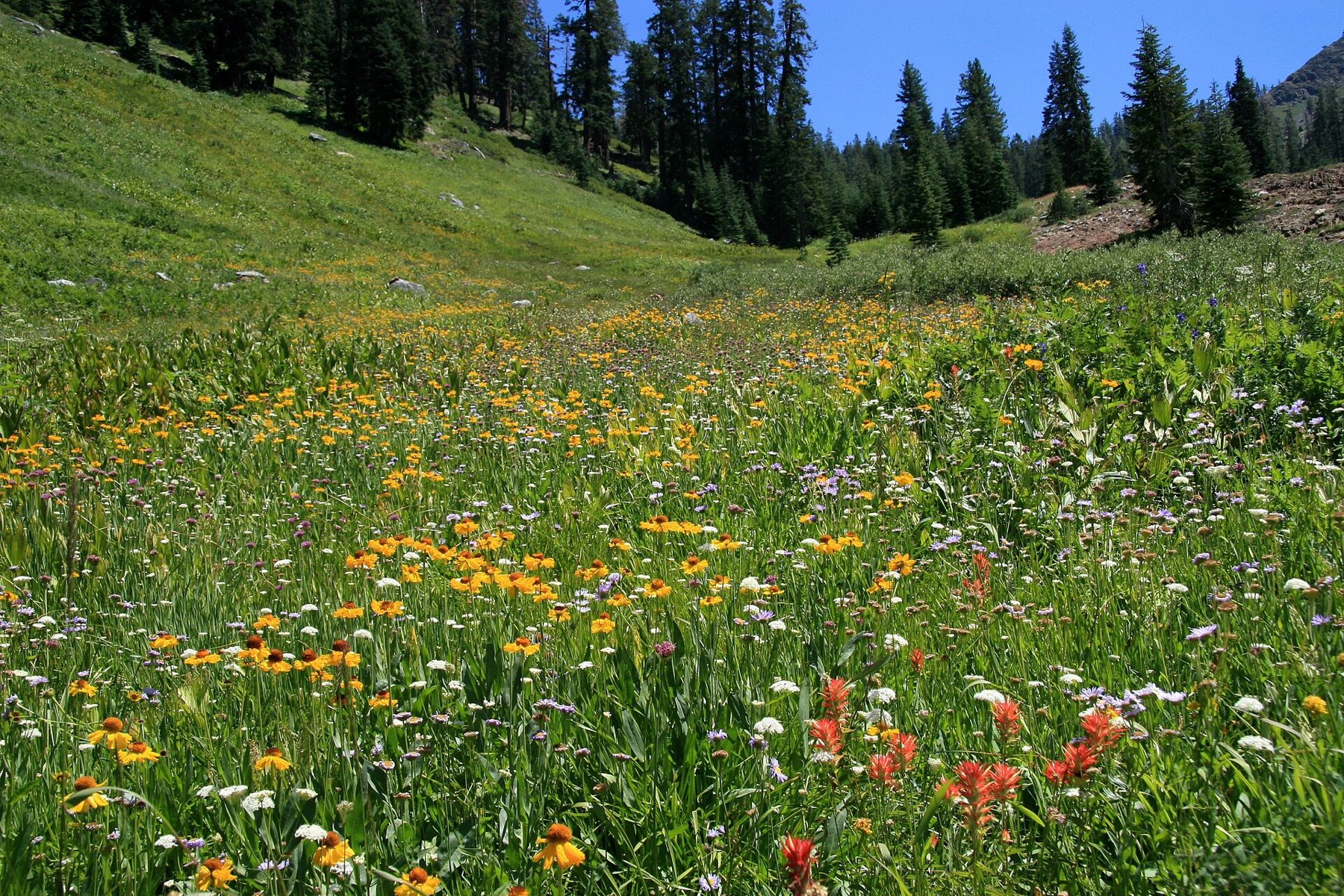
- Habitat: Moist Riparian corridors, meadow edges, and open Montane thickets
- Form / size: Deciduous rose shrub, 3–8 ft
- Sun: Full sun · Water: Moderate
- Blooms: Spring–summer pink rose flowers · Pollinator value: High
Description
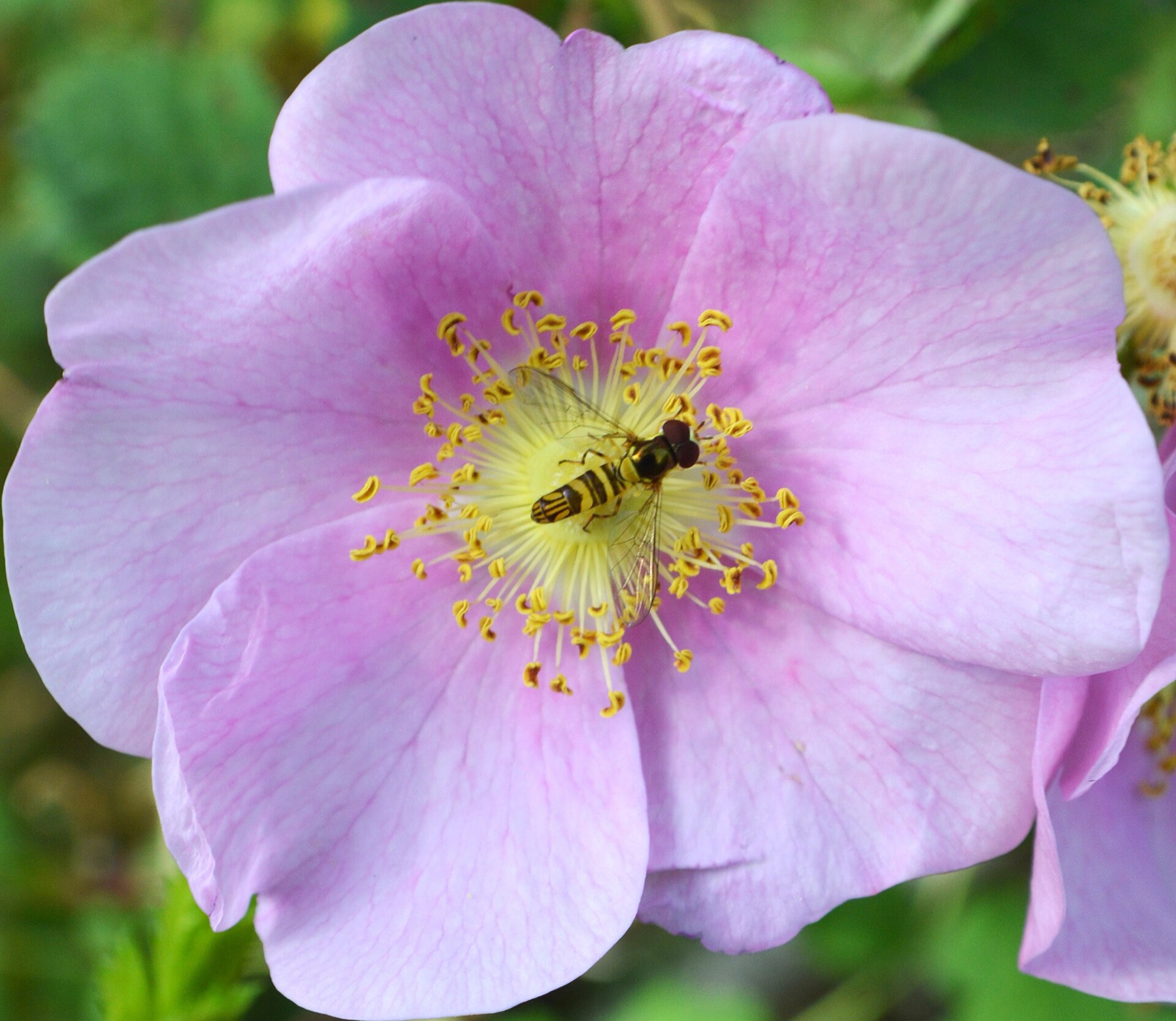
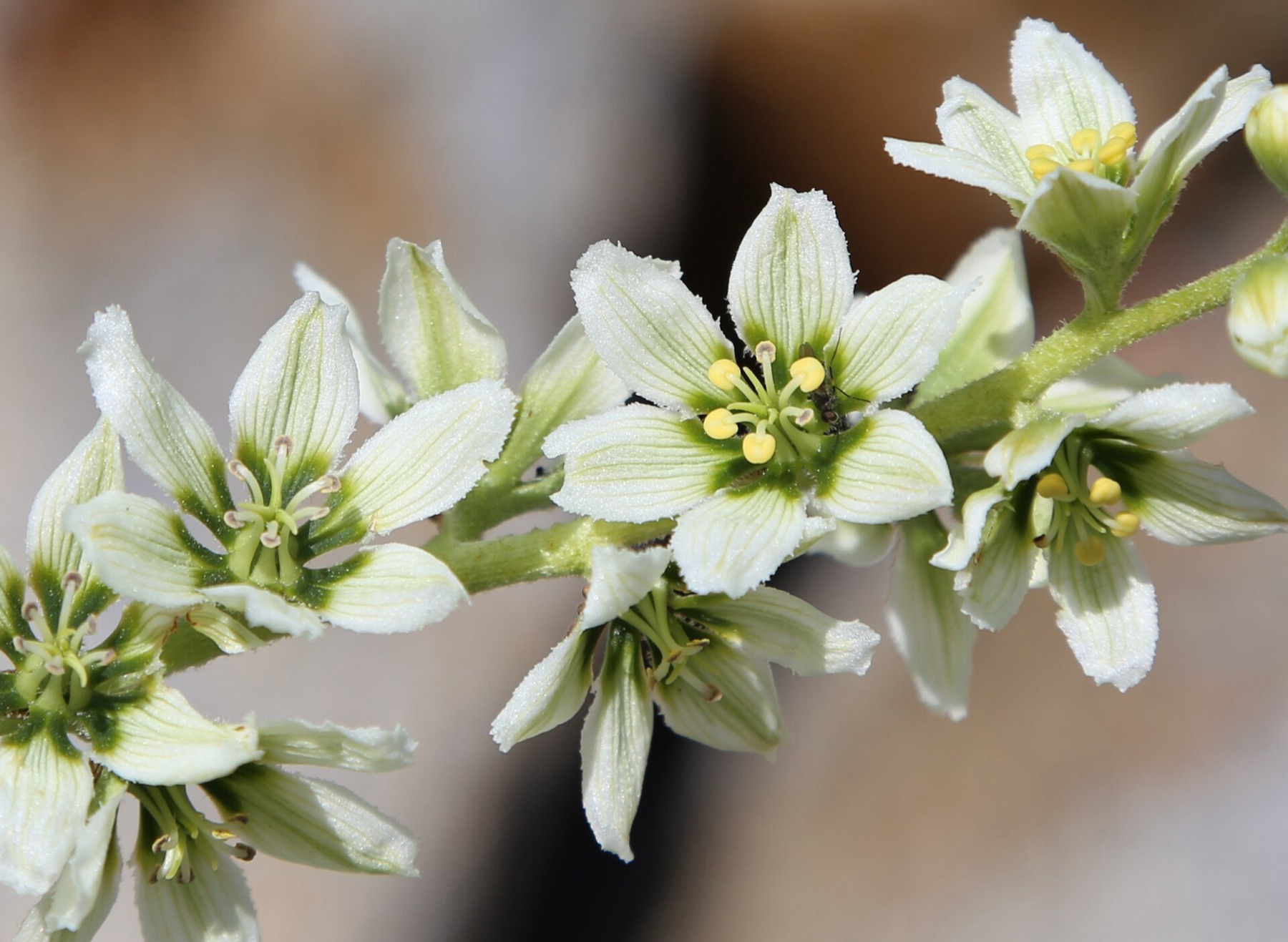
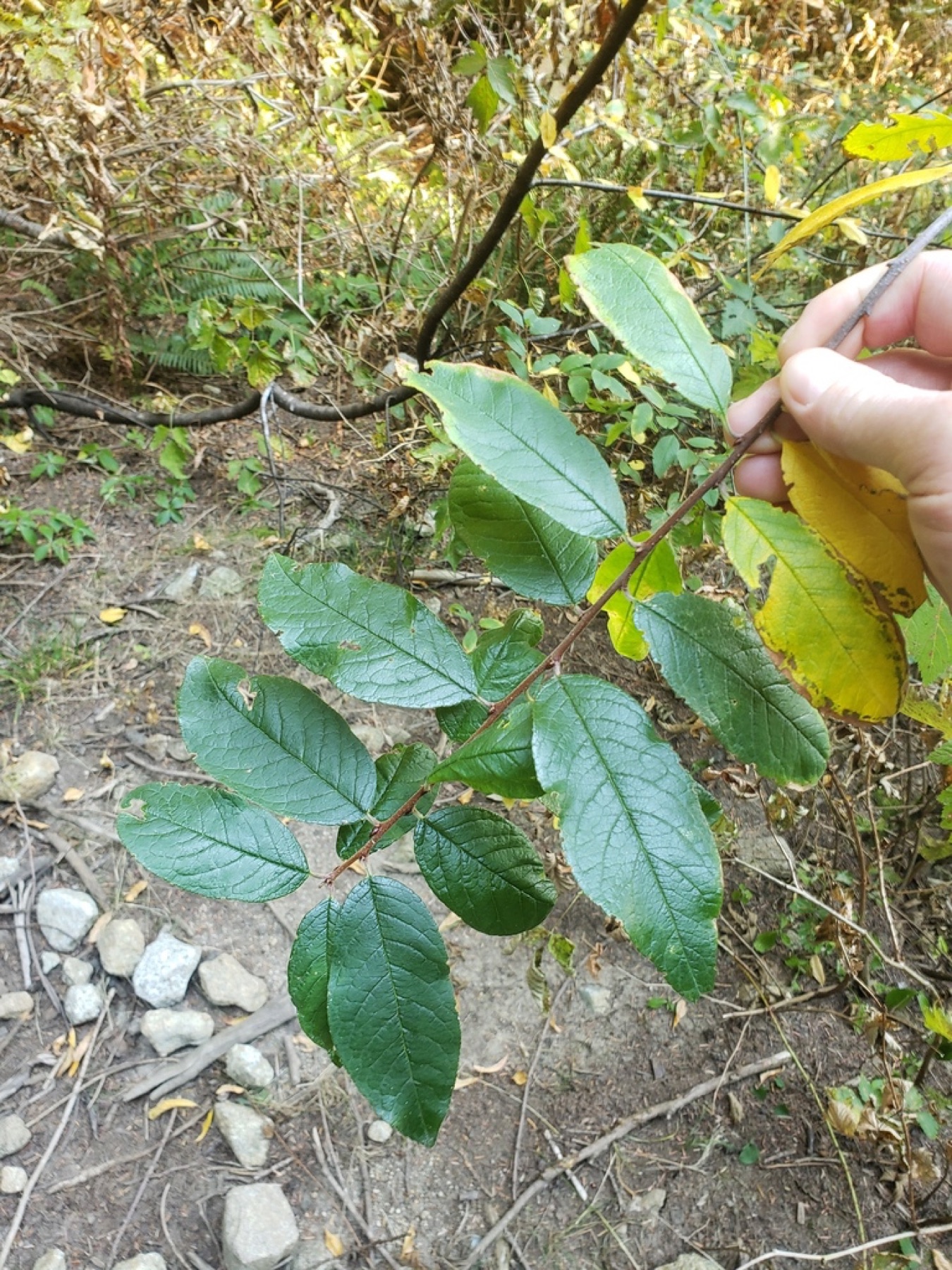
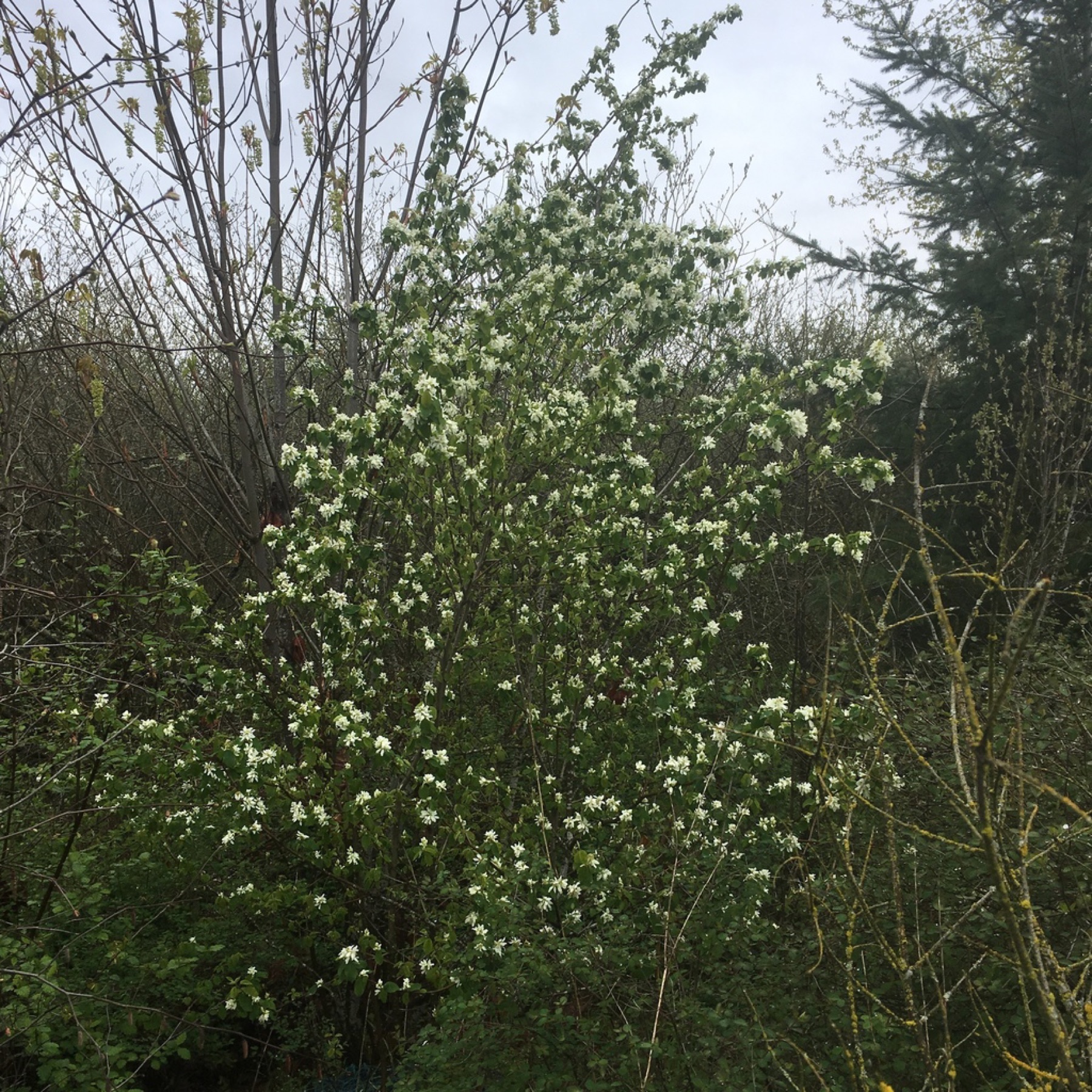
A classic wild rose with prickly stems, compound leaves, and open pink five-petaled flowers followed later by hips. In Mammoth-area meadows and creeksides it often forms thickets or patches mixed with willow, currant, and aspen-edge shrubs.
Indigenous & historical use
The Mescalero Apache and Navajo ate the rose hips, and the Ramah Navajo used the shrub for food, basketry, and ceremony. In south-central California the Kawaiisu ate the hips and bent the stems into rims for twined baskets. These uses are recorded across the plant’s interior-West and California range by Castetter, Vestal, and Zigmond, and compiled in the USDA Forest Service Fire Effects Information System.
Ecological role
Woods’ rose blooms in late spring, its pink flowers providing nectar and pollen for native bees. The hips feed birds and mammals through fall and into winter, offering food when other fruits have been consumed. The dense thorny stems make sheltered thickets where ground-nesting birds and small animals can escape predators. Like its relative California wild rose, it forms colonies through vegetative spread once established, so a single plant can expand into a patch that shelters and feeds a whole community. It flowers earlier than many mountain shrubs, and a mature thicket can grow to eight feet tall, thorny enough to form a real barrier of cover that smaller species depend on.
Habitat & range
Montane and high-valley stream corridors, wet meadow edges, and brushy openings across the interior West, including the Eastern Sierra.
In the garden
A strong wildlife shrub for cooler gardens if given space and some moisture. Can spread and form colonies.
Propagation
From seed, layering, suckers, or cuttings. Like many wild roses, it can spread vegetatively once established.
Where to see it near you
- iNaturalist — observed across California (map)
- Common around Mammoth-adjacent meadows and stream edges in the Eastern Sierra.
Sources
- Calscape · iNaturalist · Wikipedia
- Indigenous use: USDA Forest Service FEIS: Rosa woodsii (Hauser 2006) · Zigmond, Kawaiisu Ethnobotany (1981) · Vestal, Ethnobotany of the Ramah Navaho (1952)