Fennel
Foeniculum vulgare · Apiaceae
- Height
- 3-6 ft
- Habitat
- Coastal Sage Scrub · Disturbed
🚫 Invasive / non-native weed
At a glance · Tell-tale sign: Strong licorice / anise smell; feathery thread-like leaves; yellow flower umbels · Form: Tall perennial, to 6 ft, from a stout taproot
How to identify
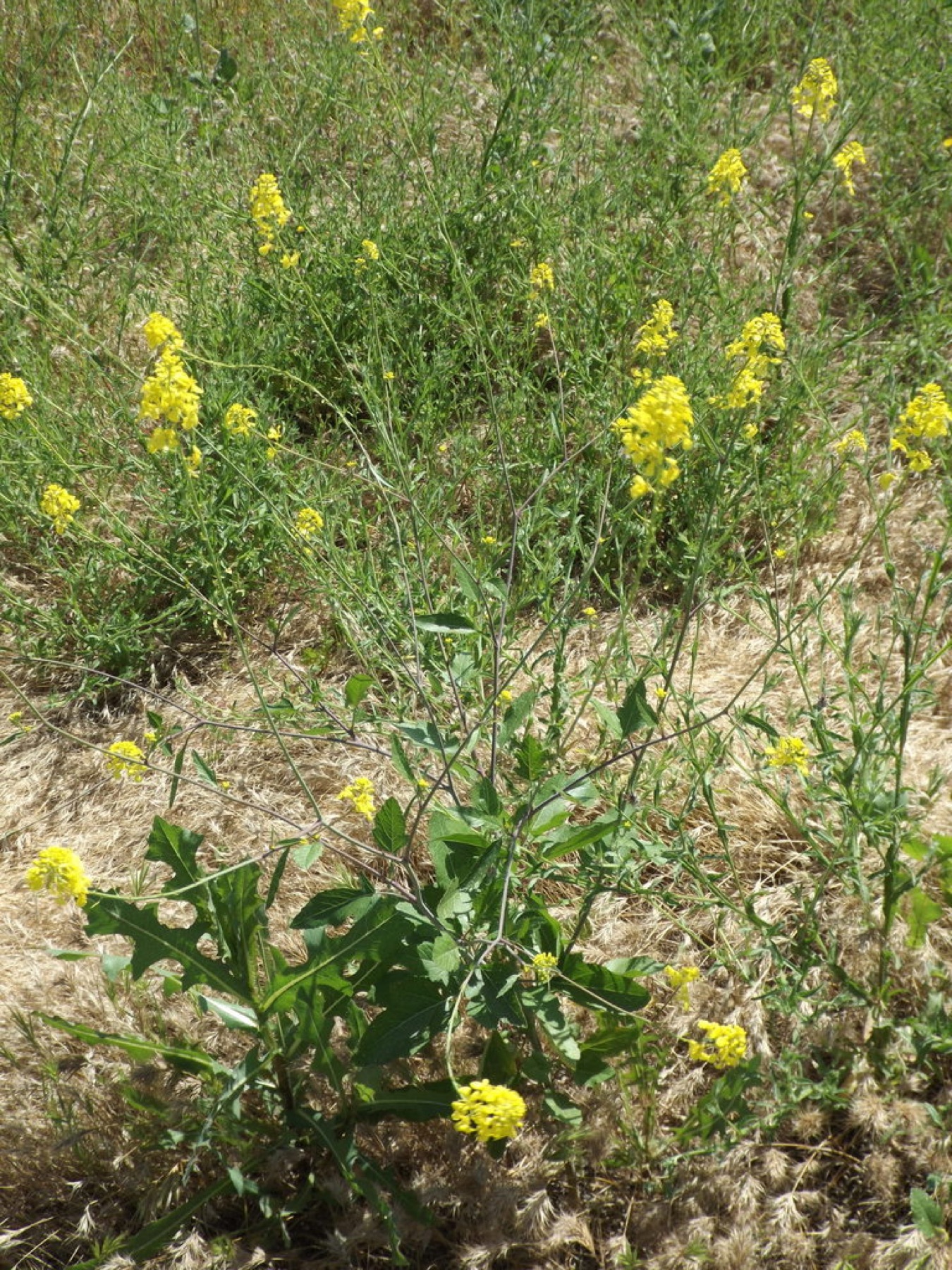
A tall, aromatic perennial with finely dissected, thread-like (almost dill-like) leaves, stout bluish-green stems, and broad umbels of small yellow flowers. The giveaway is the sweet licorice/anise scent of the crushed foliage and seeds. Forms large, persistent clumps and stands on disturbed slopes, roadsides, and coastal areas.
How it got here
Fennel is native to the Mediterranean and southern Europe, and it came to California the way most useful Old World herbs did: people brought it on purpose, to eat and to medicate with. Spanish colonists planted it in mission gardens starting in the late 1700s, alongside other kitchen and medicinal herbs, and it’s often lumped into the same “El Camino Real” story as black mustard, scattered as a fragrant floor herb and roadside planting between missions. That specific detail doesn’t hold up to scrutiny any better than the mustard version does. Nobody has produced mission-era records that pin down exactly when or how fennel jumped the garden wall.
What’s actually documented is thinner than the legend, not thicker. The Nature Conservancy’s own stewardship review of the species is blunt about it: little is known about how or when fennel was introduced to California. The best estimate botanists point to is an escape from cultivation sometime in the 1800s, spreading from gardens into waste places, roadsides, and riverbanks — but that’s a rough approximation stitched together from herbarium records, not a documented event with a date attached. What’s solid is where it ended up: naturalized across the state, especially near the coast, with dense populations now well documented on Santa Cruz Island, around the San Francisco Bay, on the Palos Verdes Peninsula, and at Camp Pendleton.
The clearest, best-studied case of what happens next isn’t a mission garden at all. It’s Santa Cruz Island. Sheep and cattle grazed the island for more than a century, and their constant browsing kept fennel in check along with a lot of other things. When Channel Islands National Park removed the last of that livestock by the mid-2000s, fennel didn’t share the space that opened up. It took it. Within a few years it was the dominant plant across large stretches of the island, growing 6 to 8 feet tall and shading out everything under it. The same pattern that plays out on disturbed roadsides and old fields all over coastal Southern California, just documented in unusually sharp detail because researchers were watching.
Why it’s a problem
Fennel wins by height and by sheer persistence. Its flowering stalks reach 6 to 8 feet, tall enough to dwarf native grasses, forbs, and young shrubs and cut off their light before they can compete for anything else. Underneath it runs a stout taproot that survives fire, drought, and casual pulling, so a stand that looks knocked back in spring can resprout from the crown within a season. It seeds heavily too, and those seeds sit viable in the soil for years, which means clearing the visible plants doesn’t clear the problem.
Getting rid of fennel doesn’t automatically give the ground back. Researchers Paula Power, Thomas Stanley, Clark Cowan, and James Roberts tracked fennel-control plots on Santa Cruz Island for five years after herbicide treatment, some reseeded with natives, some left alone, at two different sites. The two sites told different stories. At Smugglers Cove, where the native seed bank in the soil was thin, the unseeded plots got taken over by exotic annual grasses instead of natives — spraying the fennel just cleared room for the next weed. At Scorpion Anchorage, where more native seed was already sitting dormant in the ground, both seeded and unseeded plots recovered native cover on their own. The lesson isn’t that reseeding is always required. It’s that what’s left in the soil after fennel dies back determines whether natives come back or something else just moves in, and on a lot of disturbed, long-invaded ground in Southern California, that native seed bank is already gone.
How it spreads
By abundant seed and by resprouting from the crown and deep taproot, so cutting alone won’t kill it.
How to remove it
- Dig out the taproot on small plants (easier in moist soil).
- For larger stands, repeated cutting/mowing before seed set to exhaust the root, often combined with cut-stump herbicide for big crowns.
- Bag seed heads; monitor and re-treat resprouts.
Restoration alternative
Fennel wins on height and on a fine, ferny leaf canopy that nothing underneath can get past. Replacing it means picking natives that can hold that same ground in coastal sage scrub and disturbed sites, the habitats where fennel does the most damage here.
For the airy, feathery look fennel is often mistaken for, Yarrow is the closest match among local natives — same fine, pinnately divided leaves, same tolerance for the disturbed soil fennel favors, but it stays low and lets other plants coexist instead of shading them out. For height in open, disturbed ground, Giant Wild Rye is a real substitute: a native bunchgrass that reaches 4 to 8 feet, holds soil with deep roots the way fennel’s taproot does, and is already documented growing in coastal sage scrub, grassland, and disturbed sites across this vault’s range. California Buckwheat fills the shrub layer fennel wipes out, feeding far more local pollinators than fennel’s umbels do, in the same coastal-sage-scrub habitat fennel is now displacing.
None of these will out-muscle an established fennel stand on their own. The Santa Cruz Island research backs that up: unseeded plots at the site with a thin native seed bank got taken over by exotic annual grasses, not natives, even after the fennel was killed. Clear the fennel and walk away and something else just moves in. Seed or plant the natives in after clearing it, and they stand a real chance.
Where it’s spread near you
Sources
- Cal-IPC profile · iNaturalist · Wikipedia
- The Nature Conservancy — Element Stewardship Abstract · Power, Stanley, Cowan & Roberts (2014), “Native Plant Recovery in Study Plots After Fennel Control on Santa Cruz Island,” Monographs of the Western North American Naturalist · Channel Islands National Park — Foeniculum vulgare
Commonly confused with
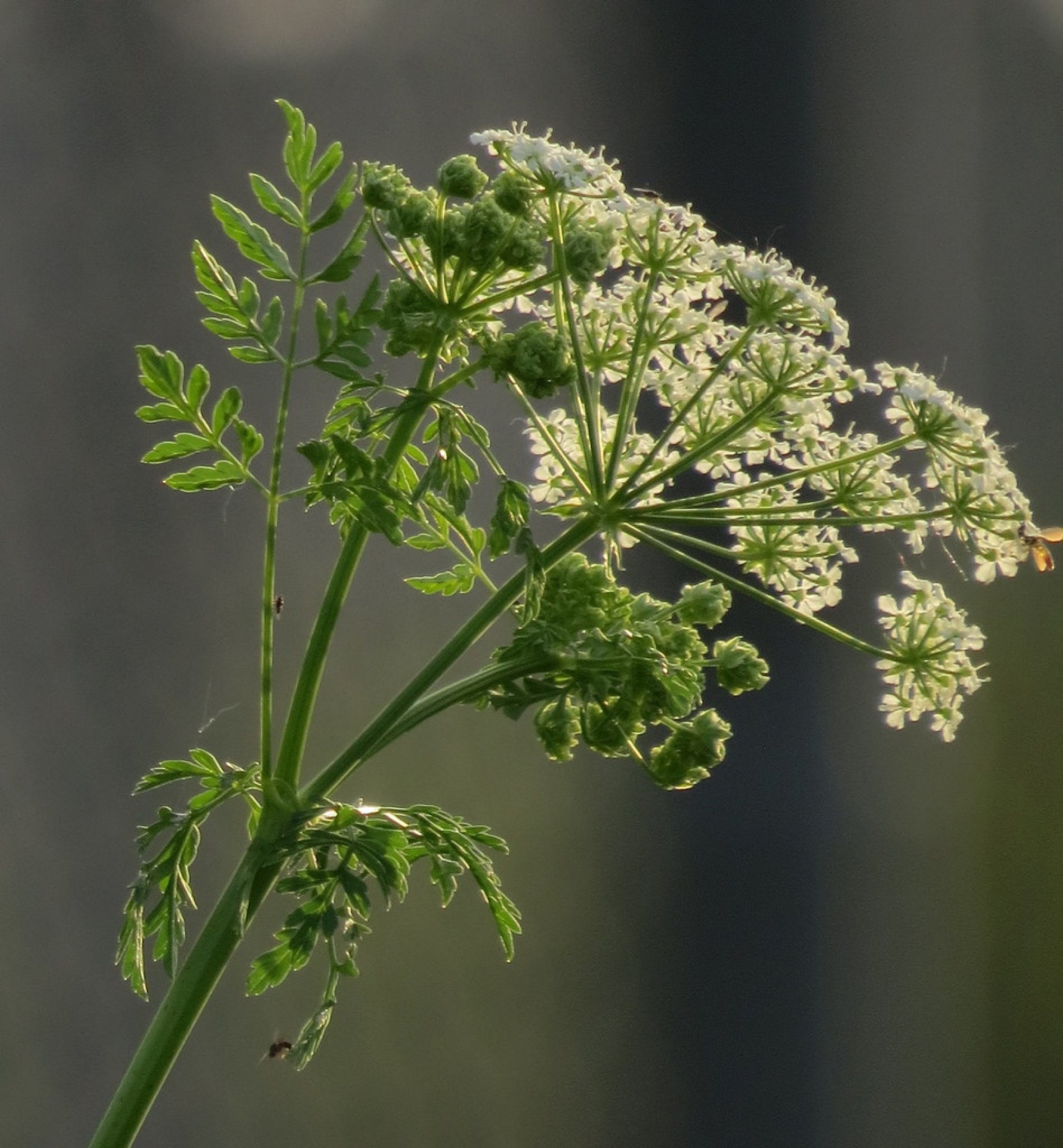 Poison Hemlock 🚫⚠️ Conium maculatum critical: hemlock has purple-blotched stems, white flowers, and a musty smell and is deadly. Fennel has green (unblotched) stems, yellow flowers, and a licorice smell. When in doubt, don't taste anything.