Horehound
Marrubium vulgare · Lamiaceae
- Height
- 1-3 ft
- Habitat
- Grassland · Disturbed
🚫 Invasive / non-native weed
At a glance
- Tell-tale sign: Gray-white mint-family plant with wrinkled leaves and burrlike seed clusters
- Where: Dry disturbed soil, pastures, roadsides, overgrazed grassland
- Why it matters: Sticky burrs spread easily and it forms persistent patches
How to identify
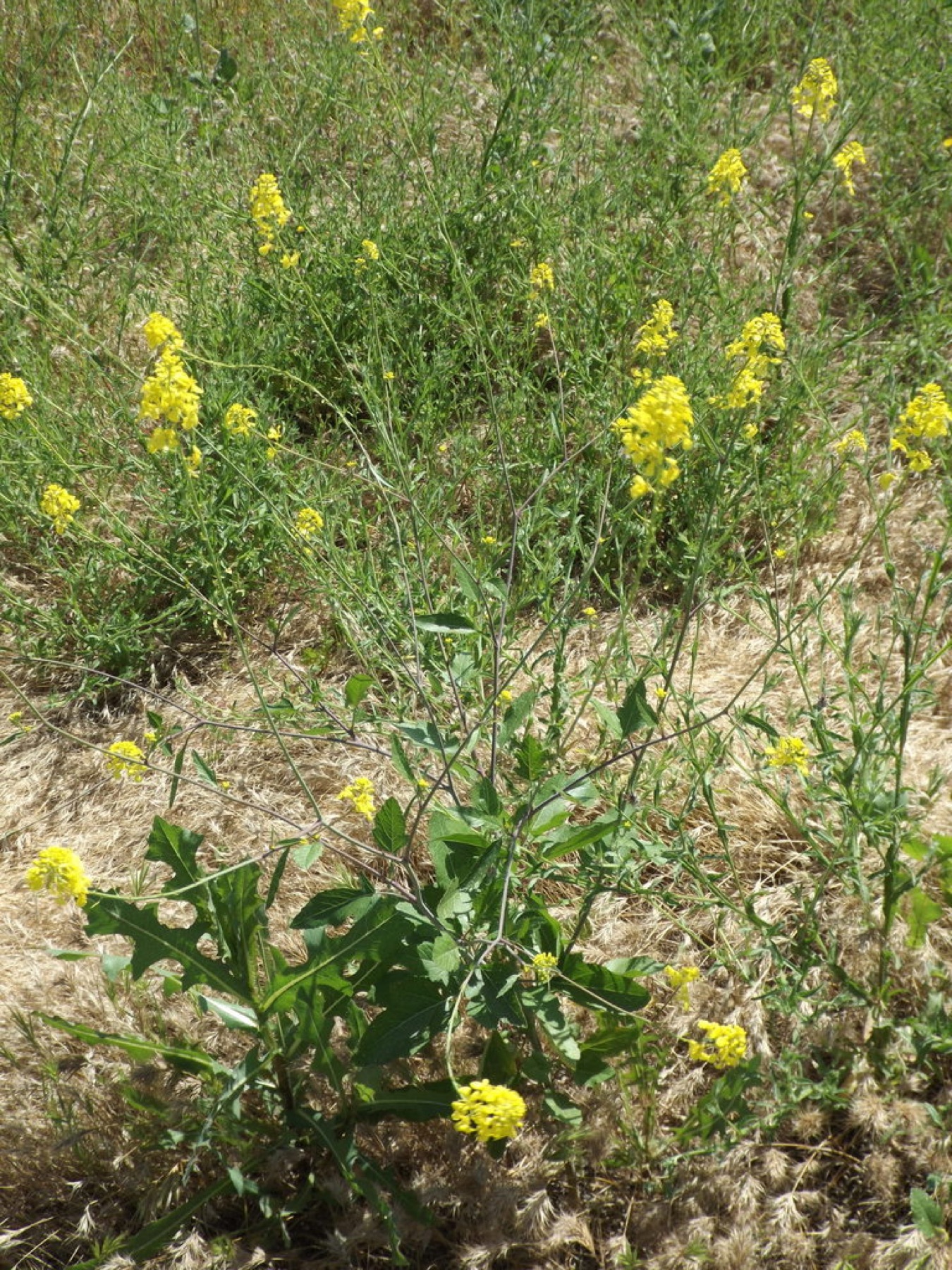
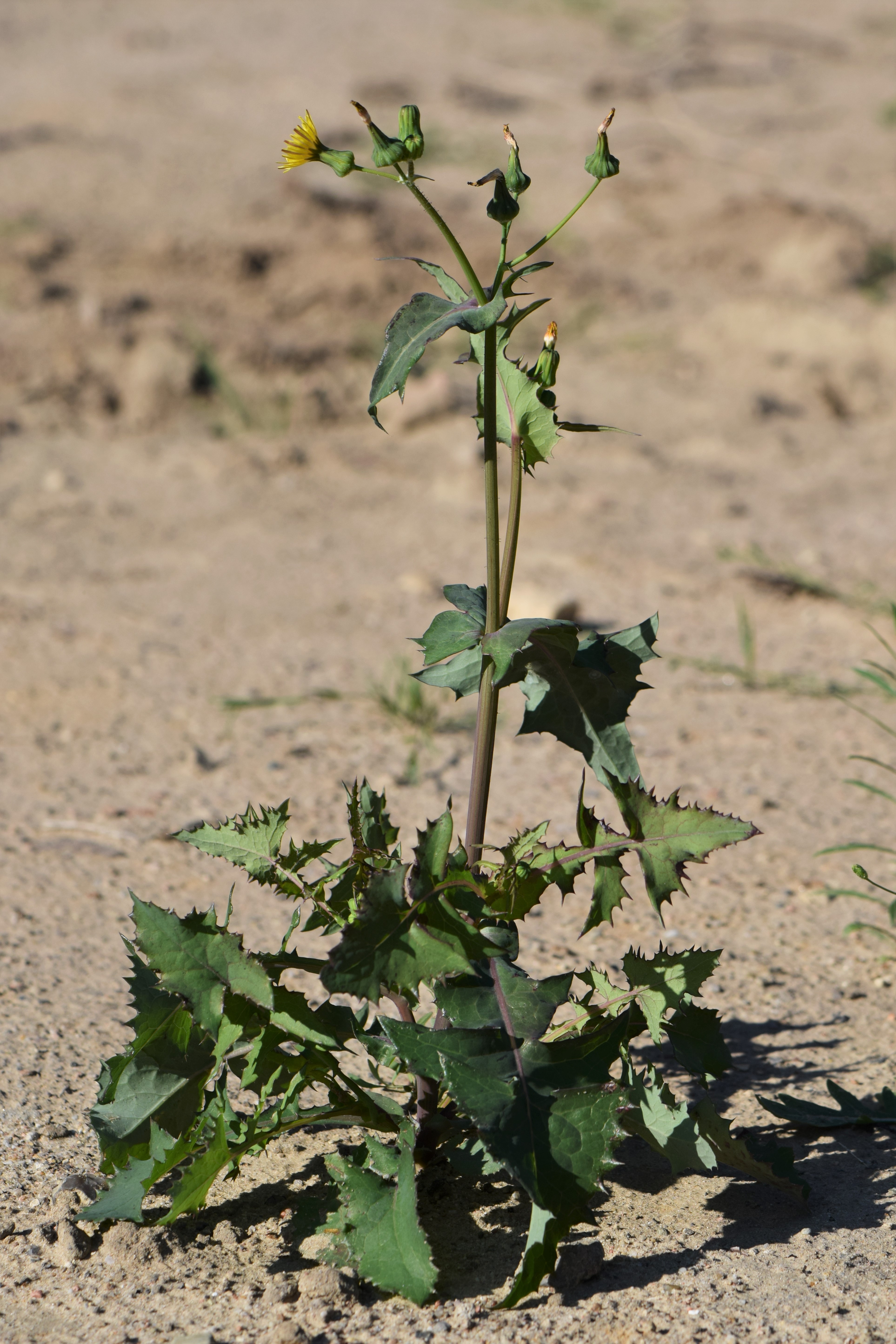
A woolly gray-green perennial in the mint family, with square stems, wrinkled rounded leaves, and tight whorls of small white flowers that mature into burrlike seed clusters.
Why it’s a problem
Horehound spreads through disturbed dry ground and grazed areas, where the burrs hitchhike on animals, socks, and equipment. It can form persistent patches that exclude smaller native annuals.
How it spreads
By seed burrs that cling to fur, clothing, and vehicles.
How to remove it
Pull or dig plants before seed clusters mature. Bag seeding stems, and revisit because established crowns can resprout if not removed.
Plant this instead
For dry pollinator habitat, use Black Sage, California Buckwheat, Yarrow, Golden Yarrow, and native bunchgrasses.
Where it’s spread near you
Sources
Commonly confused with
🌿 Native sages sages smell aromatic and have showier flowers; horehound is woollier, duller, and burr-forming.
🌿 Mints square stems are shared, but horehound’s gray woolly leaves and burrlike whorls are distinctive.